
Caffeine is a stimulant that has been linked to fertility, or a lack thereof, in some individuals. It can also affect your ability to become pregnant if consumed in large quantities. But what if you still want that delicious cup of coffee in the morning but you’re trying to conceive? Can you drink decaf coffee when trying to conceive?
The answer is yes, but with some caveats and limits. Decaf coffee is significantly lower in caffeine than regular coffee, containing only 2 to 12 milligrams of caffeine per eight-ounce cup. This is significantly less than a regular cup, which can contain up to 130-140 milligrams of caffeine per cup. So drinking decaf coffee when trying to conceive is a much better and safer option if you are trying to increase your chances of conceiving.
It’s important to note that consuming more than 200 milligrams of caffeine per day has been linked to decreased fertility in women. This is roughly equivalent to about two cups of regular coffee, so anyone who is trying to conceive should limit their caffeine consumption to 200 milligrams or less per day.
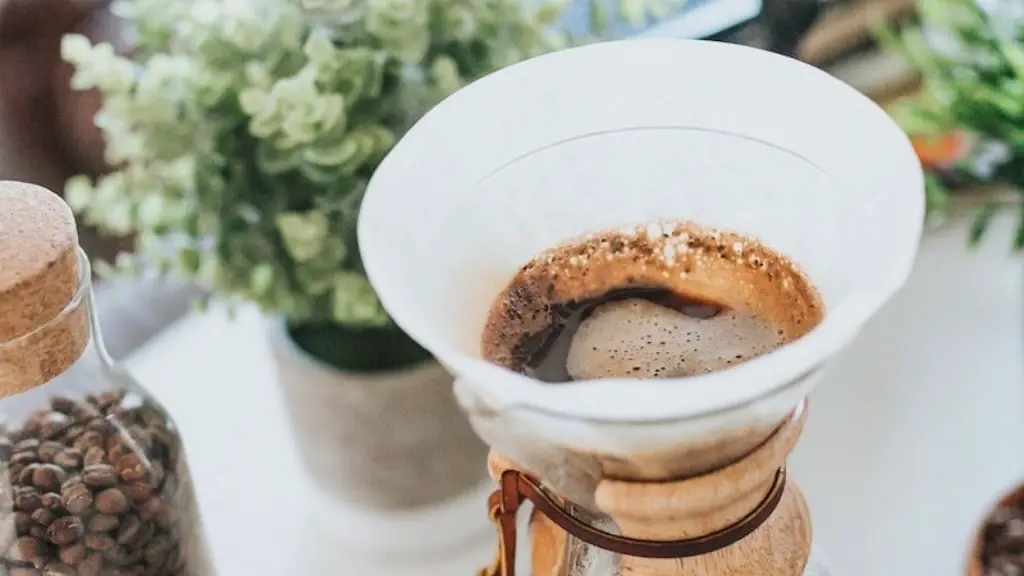
Though it is generally accepted that consuming moderate amounts of decaf coffee when trying to conceive is safe, there is no concrete evidence that suggests one way or the other. It’s best to use your own judgement and talk to your doctor or fertility specialist to find out what is appropriate for your particular situation.
Furthermore, it is important to note that coffee is a diuretic, which means it can lead to dehydration and the loss of essential minerals and water in urine. Dehydration can prevent a woman’s body from properly ovulating, so it is important to make sure you are getting enough fluids if you are drinking decaf coffee while trying to conceive.
Decaf coffee can also contain trace amounts of caffeine. While these amounts are much lower than what is found in regular coffee, they can still have an effect. So even if you are only drinking decaf coffee, it is still important to limit your consumption to no more than 200 milligrams of caffeine per day.
In addition to trying to limit your caffeine intake, it is also essential to make sure your diet is rich in all the necessary vitamins and minerals that can help support fertility. Folic acid, vitamin E, zinc, and omega-3 fatty acids are all important nutrients when trying to conceive, so make sure you are getting enough of these in your diet. Eating a balanced diet and getting enough exercise can also help to increase your chances of becoming pregnant.
Acidic Nature
Another side effect of drinking coffee, even decaffeinated, is its acidic nature. Coffee can disrupt the pH balance in the body, and this can affect fertility. The body needs to have a slightly alkaline pH to ensure optimal reproductive function, so if your body is too acidic, it can make it harder for you to become pregnant. Eating certain foods, such as leafy greens and fruit, can help to restore the body’s pH balance, so it’s important to try to incorporate these into your diet if you are trying to conceive.
Combination Drinks
When trying to conceive, it is important to avoid overly processed or frozen foods since they can contain additives and preservatives that can be bad for fertility. It’s also important to be aware of any combination drinks you may be consuming, such as lattes or cappuccinos, which also contain added sugar. Too much sugar can lead to insulin resistance, which can negatively affect fertility.
So when it comes to drinking decaf coffee when trying to conceive, it is always best to use your judgement and talk to your doctor or fertility specialist before consuming it. Make sure to limit your caffeine intake to around 200 milligrams per day and drink plenty of water to avoid dehydration. To ensure optimal fertility, it is also important to get enough exercise, eat a balanced diet, and avoid overly processed foods.
Caffeine Alternatives
If you’re looking for an alternative to drinking coffee while trying to conceive, there are plenty of options out there. Herbal teas, like chamomile and ginger, can be a great way to get your daily caffeine kick without sacrificing fertility. There are also plenty of decaffeinated herbal and fruit teas available that can provide the same benefits without the risks associated with caffeine.

You can also drink decaffeinated or reduced caffeine beverages such as yerba mate, green tea, rooibos, and white tea. All of these beverages contain low amounts of caffeine, so they can be an excellent alternative to coffee when trying to conceive. Make sure the beverage is 100% natural and free from added sugar or preservatives.
Fertility Basics
Being aware of the basics of fertility is paramount when trying to conceive. Some simple steps to help increase your fertility include reducing your stress levels, getting proper sleep and exercise, and eating a healthy, balanced diet. It can also be beneficial to track your fertility signs, such as your basal body temperature, cervical mucus, and your menstrual cycle. This can help you to better understand your body’s fertility signals and make it easier to detect the most fertile days when trying to become pregnant.
Conclusion
In conclusion, it is generally accepted that consuming moderate amounts of decaf coffee when trying to conceive is safe. However, it is important to remember that decaf coffee can still contain trace amounts of caffeine and can be dehydrating in large quantities. If you are trying to conceive, it is always best to use your own judgement and talk to your doctor or fertility specialist first. Furthermore, it is also important to make sure your body is getting all the necessary vitamins and minerals it needs to remain fertile, and to reduce your stress levels and get enough exercise.
