
Can You Drink Coffee on the Paleo Diet?
You may have heard of the popular Paleo Diet, which focuses on eliminating refined sugars, grains, legumes, refined vegetable oils, and dairy products, while emphasizing meats and certain fruits and vegetables. But, can you drink coffee on the Paleo Diet? According to nutritionists and experts, the answer is yes. Coffee can fit into a Paleo Diet, with some caveats.
Coffee has been linked to a variety of health benefits, including improved heart health, reduced inflammation, and even improved cognitive performance. Additionally, it can help to reduce stress and increase energy levels, making it potentially helpful for those following a Paleo Diet. However, it is important to note that the source and preparation of your coffee are key elements in determining if it can be Paleo.
Nutritionists generally agree that it is best to purchase organic, high quality, freshly-ground coffee beans that are not overly processed, as this can reduce exposure to toxins. Additionally, it is best to opt for a lower-acid coffee, which may involve purchasing beans that have been treated or roasted to reduce acidity. It is also important to avoid adding any type of processed sugars or creams to the coffee, as these are not part of the Paleo Diet. Coconut milk, butter, coconut oil, or creamers made from coconut milk are allowed on the Paleo Diet, so they are all acceptable options.

When consumed in moderation, coffee can be a beneficial addition to a Paleo Diet. An optimal amount is 1-2 cups of coffee per day. Drinking more than this can increase your risk of developing various health conditions and can also lead to an addiction to caffeine, which is not Paleo-friendly. Taking a short break from drinking coffee can help to reduce your risk and can be beneficial for those who are sensitive to caffeine.
Overall, drinking coffee on a Paleo Diet is possible, provided that the source and preparation of the coffee are taken into account. When consumed in moderation and without adding any processed sugars or creams, coffee can be a beneficial part of a Paleo Diet.
Coffee & Mental Focus
Many people who follow a Paleo diet have found that coffee can help to improve mental clarity and focus. Caffeine can act as a stimulant and can help to improve alertness, reduce fatigue, and enhance concentration. This can be incredibly beneficial for those who need to focus and remain productive. Additionally, coffee can increase brain function and creativity, making it attractive to those on the Paleo diet who are looking to maximize their cognitive performance.
Caffeine has also been associated with improved memory performance, particularly for those who do not normally consume coffee. In fact, research has found that coffee can improve short-term memory, which can be helpful for those on the Paleo Diet who are looking to stay sharp and focused.

Additionally, the antioxidants found in coffee can help to reduce inflammation, thereby enhancing cognitive performance and reducing the risk of age-related diseases. Coffee can also help to reduce stress, making it beneficial for those on the Paleo diet who are looking to reduce their stress levels. Finally, it is important to note that coffee can increase a person’s energy levels, making it an ideal pre-workout drink for those on the Paleo Diet.
Is Decaf Coffee Paleo?
Decaffeinated, or decaf, coffee is a type of coffee that has had most of the caffeine removed. For many people, it is a good option because it contains fewer calories and less caffeine. However, it is important to note that decaffinated coffee may not be optimal for a Paleo Diet.
Decaf coffee can still retain traces of caffeine and other compounds, which can be potentially diet-busting. Additionally, decaffeinated coffee is typically processed with various chemicals and other additives, making it a less ideal choice for a Paleolithic diet. To keep your decaf coffee Paleo-friendly, it is best to purchase organic, low-acid decaf coffee beans.
It is also important to note that decaf coffee lacks some of the beneficial antioxidants that are found in regular coffee. Decaf coffee has more antioxidants than regular coffee, but they are mostly in the form of chlorogenic acid, which can be toxic in large doses. For this reason, it is important to keep your intake of decaf coffee to a minimum.
Should You Avoid Caffeine on a Paleo Diet?
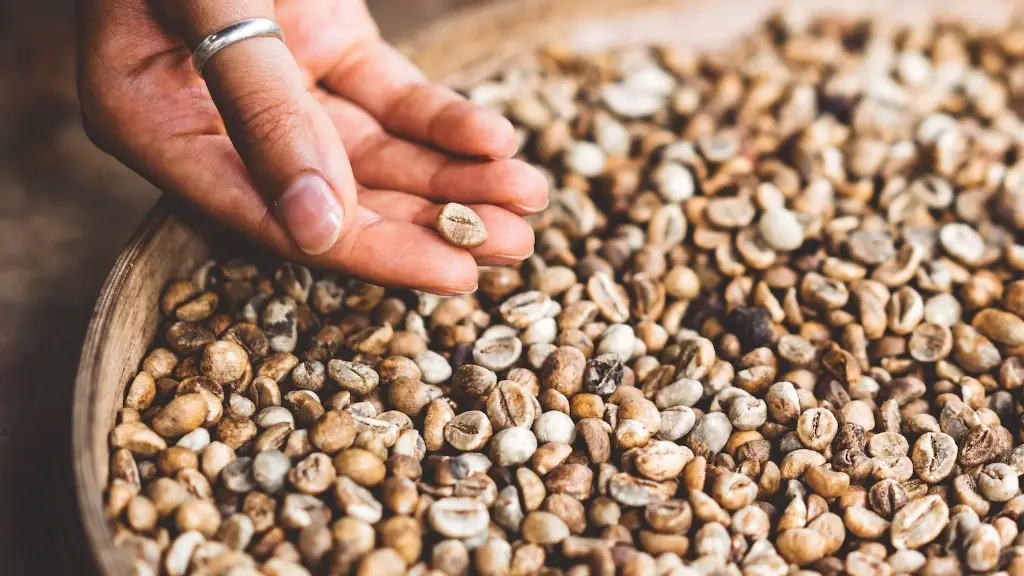
Caffeine is a compound found naturally in coffee beans and certain other plants, such as tea leaves and cocoa beans. It has been linked to a variety of health benefits and can be beneficial for those on a Paleo Diet provided that it is consumed in moderation.
However, it is important to note that caffeine can have some potential drawbacks. Some people may be particularly sensitive to the effects of caffeine and can experience negative side effects, such as anxiety, restlessness, and insomnia. Additionally, excessive caffeine consumption can increase the risk of developing certain health conditions, such as high blood pressure and heart disease.
For this reason, it is important to limit your caffeine intake to 1-2 cups of coffee per day. In addition, it is important to listen to your body and to pay attention to any symptoms that may indicate that your caffeine intake is too high. If you find that you experience any negative effects from caffeine, it is best to reduce your intake and to opt for decaffeinated beverages instead.
Should Kids Drink Coffee on the Paleo Diet?
It is generally not recommended for children to consume coffee, as their bodies are not yet fully developed and are more sensitive to the effects of caffeine. Additionally, excessive consumption of caffeine can lead to behavioral problems and difficulty sleeping. For this reason, it is best to limit children to decaffeinated beverages on the Paleo diet.

In addition, it is important to make sure that these beverages are not overly processed or sugary. Juices and smoothies can be good options, as they are packed with vitamins and minerals, and they can provide children with the energy they need without any added sugars. Additionally, it is important to be aware of other sources of caffeine in a child’s diet, such as chocolate and soda.
Finally, it is important to remember that coffee can have a diuretic effect, meaning that it can cause dehydration. This can be especially dangerous for children, who may not be aware of the need to replenish fluids when they are dehydrated. For this reason, it is important for parents to be aware of their child’s caffeine intake and to take precautions to ensure that their child is adequately hydrated.
Coffee Alternatives for the Paleo Diet
Coffee is not the only beverage that can be consumed on a Paleo diet. There are a variety of coffee alternatives that can provide beneficial health benefits and still be compliant with the Paleo diet.
Herbal teas, such as chamomile, green tea, and ginger, are all Paleo-friendly beverage options. Additionally, they contain powerful antioxidants and anti-inflammatory compounds, making them a great addition to a Paleo-based diet.

Bone broth is another great Paleo-approved beverage option. It is made by simmering animal bones in water, and it is packed with valuable minerals, such as calcium, phosphorus, and magnesium. Additionally, it contains amino acids and other nutrients that can help to boost your immune system and support gut health.
Finally, it is important to remember that water is always an ideal choice for those on a Paleo Diet. Water helps to keep you hydrated and can also help to boost your energy levels and improve cognitive performance. Additionally, drinking plenty of water can help to reduce feelings of hunger, making it an ideal choice for those looking to lose weight on the Paleo diet.
Coffee on the Paleo Diet: The Bottom Line
Coffee can fit into a Paleo diet, provided that you are mindful of the source and preparation of the coffee. In addition, it is important to keep your intake to 1-2 cups of coffee per day to avoid any potential negative side effects. For children and those who are especially sensitive to caffeine, decaf coffee or other Paleo-approved beverages are recommended.
Overall, it is important to remember that moderation is key when it comes to any food or beverage on the Paleo Diet. By following the Paleo rules and being mindful of your intake, coffee can be a beneficial and Paleo-friendly beverage.
