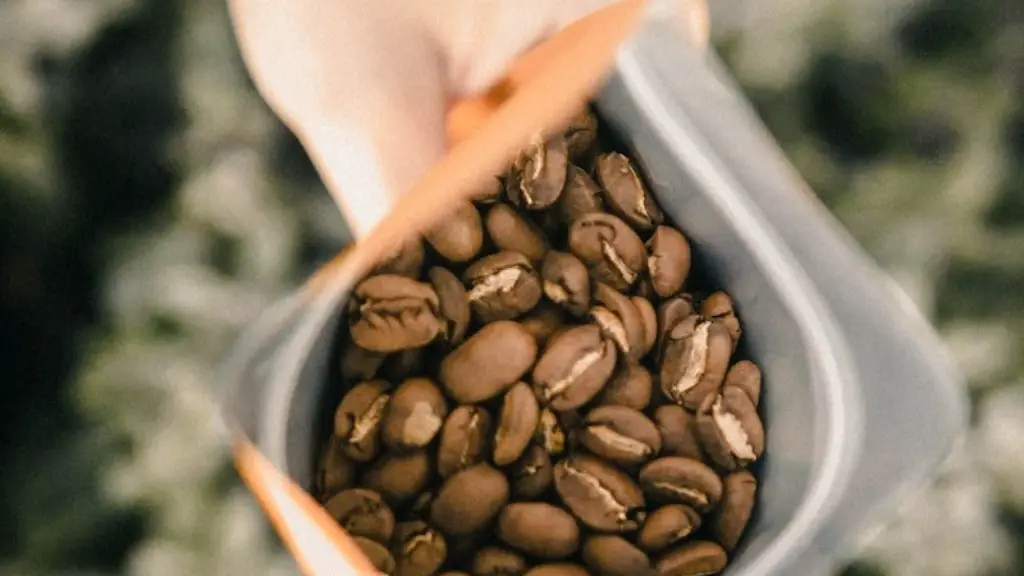
When it comes to understanding the Candidiasis diet, or Candida diet, many believe that coffee is not allowed. The idea behind this common misconception stems from the fact that coffee is a powerful substance, and has a number of potential side effects that can be dangerous or harmful to your health. While it is true that coffee should be avoided when following a Candida diet, there are some ways you can still enjoy your morning cup without damaging your health.
The Candida diet is a strict dietary regimen designed to reduce the over-production of yeast in the body, such as Candida albicans. Yeast overgrowth can cause all sorts of health problems, such as fatigue, digestive issues, skin problems, and more. Following the Candida diet involves eliminating certain types of foods, such as sugar and refined carbohydrates, which can feed the yeast, and replacing them with healthier options, such as vegetables and some whole grains.
Now let’s consider coffee. Coffee is a stimulant, which means it can increase energy levels, and it can increase alertness. The caffeine in the coffee is known to be a diuretic, which can cause the body to lose fluids, minerals, and electrolytes. Additionally, the acidity of coffee can inhibit the absorption of vitamins and minerals. This can weaken the immune system, making your body more susceptible to infections.

So, can you drink coffee on a Candida diet? The answer is yes, as long as it’s done in moderation and in combination with other healthy habits. Instead of drinking multiple cups of coffee throughout the day, try to limit your consumption to one cup of organic, fair-trade, and preferably darker roasts. Darker roasts tend to be lower in caffeine, and better for your health. Additionally, you should consider adding natural, unsweetened almond, coconut, or hemp milk to your coffee, to reduce the acidity and reduce your caffeine intake.
The bottom line is that drinking coffee on a Candida diet is not impossible, but it must be done in moderation. If you stick to the guidelines outlined here, you can still enjoy a cup of joe, without compromising your progress on the Candida diet.
Prebiotics and the Candida Diet
Another important aspect of the Candida diet is the inclusion of prebiotics. Prebiotics are a form of fiber that are not digested by humans, but are instead digested by beneficial bacteria in the gut. These bacteria help to balance the bacteria in the gut, which can help reduce yeast overgrowth. Prebiotics can be found naturally in certain fruits and vegetables, as well as some grains like oats and sprouted bread.
Incorporating prebiotics into the diet can help you get the most out of your Candida diet, as they will help to promote the growth of beneficial bacteria, while simultaneously reducing the amount of yeast in the body. Additionally, prebiotics can help to reduce cravings for carbohydrates and sugar, which can be difficult to break when following a Candida diet.

There are many ways to incorporate prebiotics into your diet. Eating a bowl of oatmeal with berries, or a vegetable omelet with sprouted bread, can be a great way to get a healthy dose of prebiotics. Alternatively, prebiotic supplements are widely available in health food stores and online, and can be added to smoothies, shakes, and other drinks.
Including prebiotics in your diet can help to support your Candida diet, and can even improve your overall health. However, it is important to note that prebiotics are not a substitute for cutting out the offending foods that can cause yeast overgrowth. Eating a balanced diet is an essential part of maintaining good health, and prebiotics are just one part of that equation.
Supplements and the Candida Diet
Just as prebiotics are an important part of a Candida diet, so are supplements. There are many different types of supplements that can help to reduce yeast overgrowth, improve digestion, and provide essential vitamins and minerals. A few of the most popular supplements include probiotics, omega-3 fatty acids, and vitamins and minerals.
Probiotics are beneficial bacteria that can help to rebalance the gut flora and reduce yeast overgrowth. They can be found in many foods, such as yogurt, kefir, sauerkraut, and kombucha. Alternatively, probiotic supplements are widely available and can be an effective way to get the beneficial bacteria you need.

Omega-3 fatty acids are important for many functions in the body, and are known to have anti-inflammatory properties. They can be found in fatty fish, such as salmon and mackerel, and in fish oil supplements. Additionally, omega-3 fatty acids are available in plant-based sources, such as flax, chia, and hemp seeds.
Finally, vitamins and minerals are essential for proper functioning of the body, and can be especially beneficial on a Candida diet. You can get the vitamins and minerals you need through a balanced diet, but it may also be beneficial to take a quality multivitamin. This can help to ensure that you are getting all the nutrients your body needs.
Detox and the Candida Diet
In addition to eating a balanced diet and taking supplements, it is important to consider the overall detoxification process when following a Candida diet, as part of the diet involves eliminating toxins and pathogens from the body. There are many ways to do this, such as taking detoxifying herbs, drinking plenty of water, exercising, and incorporating regular sauna sessions. Additionally, you can do a few simple things to support the body’s natural detoxification process.
First, it is important to stay hydrated, as water helps to flush out toxins. Additionally, consuming certain herbs, such as licorice root, dandelion root, and milk thistle, can help the body to detoxify. Finally, dry skin brushing can help to reach deeper levels of detoxification, as brushing can help to increase circulation and remove dead skin cells.

The bottom line is that following a Candida diet can be difficult, but it is not impossible. With the right diet, supplements, and detoxification techniques, you can improve your health, reduce your symptoms, and make sure you are getting the most out of your Candida diet.
Reducing Stress and the Candida Diet
One of the most important aspects of the Candida diet is reducing stress. Stress is known to weaken the immune system and can make it difficult to fight off infections, which could exacerbate the symptoms of yeast overgrowth. Therefore, it is important to take steps to reduce levels of stress in order to support your Candida diet.
The first step is to identify the sources of stress and work to reduce them. Taking regular breaks from work, exercising, and incorporating relaxation techniques, such as yoga or meditation, can help to reduce stress. Additionally, making sure to get a good night’s sleep can also help to reduce stress levels and improve overall health.
Finally, it is important to recognize the impact of emotions on health, and to make sure you are taking time to process and express your feelings. It can be helpful to talk to someone about your feelings, or journaling to help clear your head and express your thoughts.

Reducing stress is an essential part of following the Candida diet. By taking steps to reduce stress and incorporate relaxation techniques, you can reduce your symptoms and make sure you’re getting the most out of the diet.
Supplements for the Candida Diet
In addition to using probiotics, omega-3 fatty acids, and vitamins and minerals to support a Candida diet, there are a few additional supplements that can help. One such supplement is garlic. Garlic is known to be naturally anti-fungal, and can help to reduce the amount of yeast present in the body. You can find garlic in many forms, including fresh, powdered, or in supplement form.
Another helpful supplement is olive leaf extract. Olive leaf extract is known to have antioxidant and anti-inflammatory properties, as well as anti-fungal properties. It can help to reduce yeast overgrowth, as well as balance out the beneficial bacteria in the gut.
Finally, ginger can be a helpful supplement for reducing symptoms of yeast overgrowth. Ginger has anti-inflammatory and anti-fungal properties, and can also be used to balance out the beneficial bacteria in the gut. You can find ginger in many forms, including powder, capsules, and tinctures.
These are just a few of the supplements that can help to support your Candida diet. It is important to know which supplements are right for you and work with a healthcare professional to ensure you are taking the right amount.
Conclusion
The Candida diet can be a difficult diet to follow, but with the right combination of diet, supplements, and stress-reduction techniques, you can reduce your symptoms and improve your overall health. Coffee can be part of the diet, but should be limited, and must be balanced with other positive habits. Additionally, prebiotics, probiotics, omega-3 fatty acids, vitamins and minerals, and other supplements can be helpful. Furthermore, reducing stress and incorporating detoxification techniques can also help to make your Candida diet more effective.
