
Can You Drink Coffee with Ulcers?
Ulcers are sores that can develop in the lining of the stomach or in the small intestine. They can be caused by a bacterial infection, Helicobacter pylori, or from prolonged use of certain medications. Gastric or duodenal ulcers, as they are commonly referred to, can cause painful symptoms, including heartburn and vomiting, when left untreated. Thus, it is important to understanding if typical dietary habits, such as drinking coffee, can aggravate the ulcer or reduce its effects.
Coffee is a drink that contains numerous components, many of which interact with each other to form compounds that could have a negative effect on the ulcer. One example is caffeine, a stimulant that is known to increase the secretion of gastric acid, irritating the ulcer.

But it’s not all bad news. There have been a number of studies that have investigated the role of coffee in the development of ulcers, and the results have been mostly positive. It has been found that regular coffee drinkers, who do not suffer from any gastrointestinal issues, may actually protect themselves against certain types of gastric ulcers. The researchers suggest that this could be due to the presence of certain compounds in the coffee that reduce the risk of infection.
Still, it is important to note that these studies were done on healthy individuals, and the same could not be confirmed for those with existing ulcers. A 2020 research paper published in the British Journal of Nutrition, for instance, found that caffeine from coffee can increase symptoms in those with duodenal and esophageal ulcers, making it less likely to be safe for those who already suffer from these types of sores.
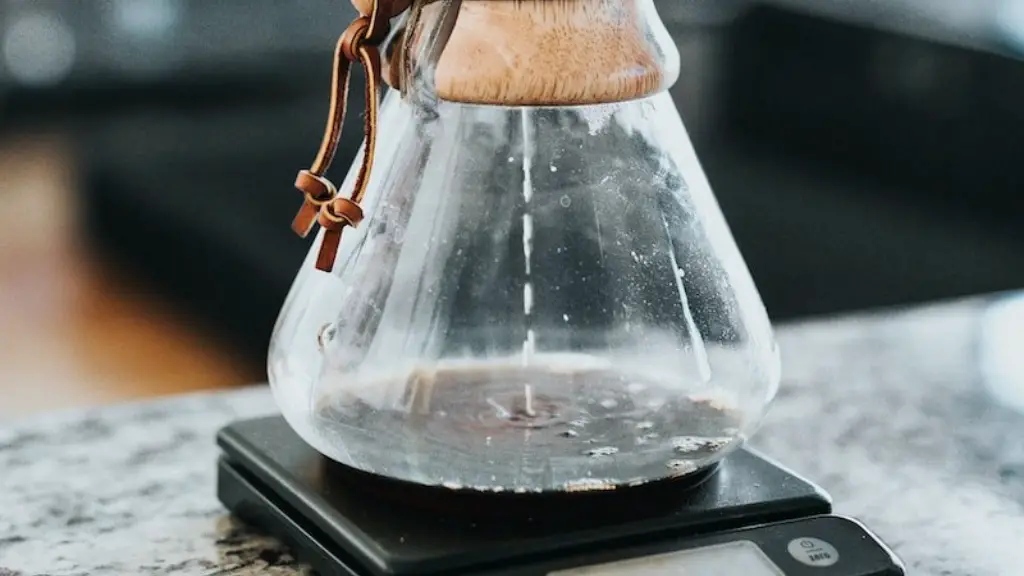
Despite this, there are still ways to enjoy a delicious cup of coffee without increasing the risk of having an ulcer. It is recommended to switch to a decaffeinated alternative to reduce the increased acidity as well as the potential effects that caffeine can have on the ulcer. Also, swapping to alternative brewing methods, such as a French press or Pour Over, can also reduce acidity levels, as the grounds in these methods are more coarsely filtered.
In summary, coffee can have both positive and negative effects on an ulcer. Thus, it is important to understand the potential risks before enjoying a cup of your favorite joe. It is also recommended to speak with a doctor or health professional before making any changes to your diet to ensure that the consumption of coffee or other food items does not worsen any existing conditions.
Adding Milk To Coffee
Adding milk to coffee is often recommended as a way to reduce the acidity in coffee. The presence of milk proteins helps to bind to the coffee components, reducing the intensity of the acidity. This can help to make coffee a bit easier to consume for those with ulcers. But those who suffer from lactose intolerance or are vegan should avoid this method.
Drinking Coffee At Night
It is important to keep in mind that coffee can have an effect on the quality of sleep. Especially when consumed later in the day, it can disrupt natural sleep cycles. While caffeine isn’t known to directly increase the risk of developing an ulcer, poor sleep can contribute to the development of certain gastrointestinal issues. Therefore, it is recommended to avoid coffee close to bedtime to ensure that you get adequate rest.
Adding Sugar To Coffee
It is also important to note that adding sugar to coffee can have a negative effect on those with ulcers. Added sugars can increase the acidity of coffee and can worsen symptoms in those individuals who suffer from gastric ulcers. It is thus recommended to avoid adding sweeteners to coffee to reduce the risk of aggravating existing conditions.
Conclusion
Ulcers can a be a painful and uncomfortable condition, so it is important to be mindful of your dietary habits to reduce their effects. When it comes to coffee, it is best to switch to decaffeinated alternatives and avoid adding sweeteners to reduce the risk of worsening symptoms from ulcers. It is also important to speak with a doctor or health professional before any dietary changes.
