
Coffee and Fasting
The concept of fasting is one that has been around for generations, with cultures around the world utilizing periods of abstinence from food to bring about a sense of spiritual balance. But in recent years, the public has become more aware about the potential health benefits of this ancient practice, which has led to its popularity. One question that often comes up when it comes to fasting is: Should you break your fast if you drink coffee?
It’s no secret that coffee is full of strong benefits. For example, many studies have shown that coffee can help to boost energy levels, help improve focus and alertness, and assist with weight loss. There’s also evidence to suggest that coffee can reduce the risk of Type 2 Diabetes, Parkinson’s Disease, and certain types of cancer. So, if you are trying to reap its health benefits while fasting, it can be a tricky subject to navigate.
According to the experts at Bulletproof, a popular wellness and nutrition company, the answer is that it depends. If you are engaging in an intermittent fasting regimen like the popularly followed 16/8 diet, where you eat for 8 hours and abstain from food for 16 hours, then drinking plain black coffee may be ok as long as it does not contain any added cream, sugar, or other ingredients that contain calories. However, it is important to consider how the caffeine from the coffee will affect you during this fasting period, as well as potential digestive issues.
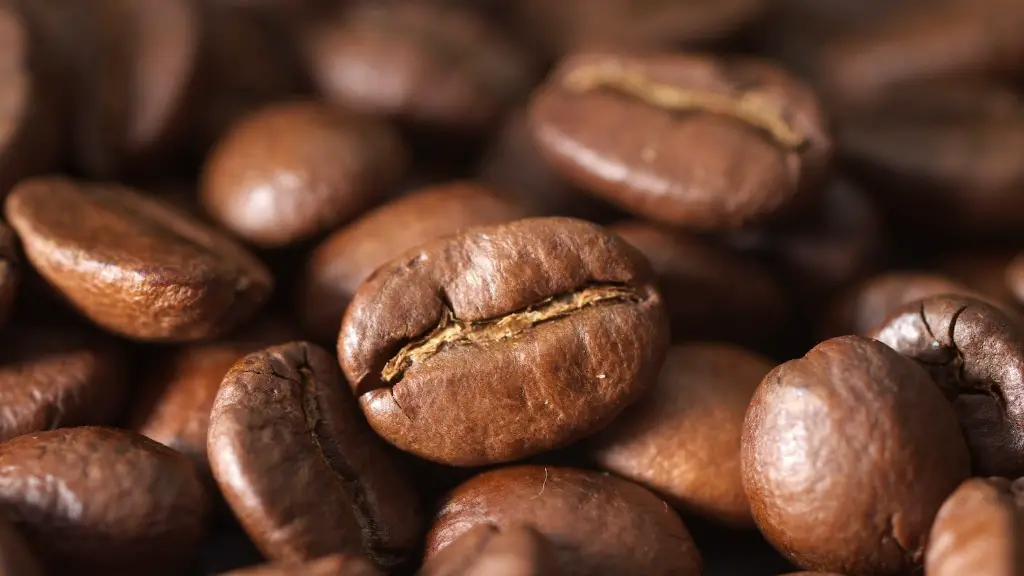
For longer fasts, such as a multi-day juice fast or a water fast, it is best to avoid coffee altogether as it can interfere with your body’s natural detoxification process and could even lead to feelings of extreme hunger. If you are serious about engaging in longer fasting regimens, then you should consult a medical professional beforehand to ensure that your body is prepared for the detox and nourishment that is required.
The truth is that both coffee and fasting have great benefits, but it is important to understand the implications of consuming coffee while fasting. When combined, the two can be a powerful tool for health and wellbeing – as long as it is done in a healthy and mindful way.
What is Intermittent Fasting?
Intermittent fasting has become an increasingly popular diet trend over the past few years, with people from all walks of life embracing its potential health benefits. Essentially, intermittent fasting is a way of eating where large gaps of time are taken between meals, though there are many different types of fasting regimens, including 16/8 and 5/2. This can aid in weight loss, improve blood sugar levels, increase energy levels, and decrease inflammation.
However, while the benefits of intermittent fasting are considerable, it is important to remember that it is not a “one size fits all” approach. As with any diet, it is important to consult with a doctor or a nutritionist to determine what type of regimen is right for you and your individual nutritional needs. It is also important to recognize that while intermittent fasting may bring about weight loss and other health benefits, it is not a quick-fix solution and dedication to a healthy diet and lifestyle is still required.

Intermittent fasting should also be approached with caution by those who have a history of disordered eating, as it can make them more vulnerable to developing an unhealthy relationship with food and their own body. As with any dietary routine, it is always important to consult with a trusted healthcare professional prior to making any drastic changes.
Health Benefits of Coffee
Coffee is one of the most widely used beverages in the world, but did you know that it has numerous health benefits? Not only can it improve mental focus and alertness, but it can also aid in weight loss, protect against certain types of cancer, and reduce the risk of developing Type 2 diabetes. Not to mention, it is rich in antioxidants that can help reduce inflammation in the body.
One of the most exciting things about coffee is that the benefits continue to pile up as more research is done. Studies are now discovering potential links between coffee consumption and improved longevity, as well as improved neurological functioning. It is important to note, however, that just like with fasting, not all types of coffee are healthy. It is recommended that you consume plain, black coffee in order to get the most benefits and avoid consuming sugar-laden versions with cream and other unhealthy ingredients.
Overall, drinking coffee can be a smart addition to any healthy lifestyle. But try to remember not to over-consume caffeine as this can lead to an energy crash. Moderation is key!
Risks of Mixing Coffee and Fasting
While coffee can offer some health benefits while fasting, it is important to keep in mind that combining the two can also bring about some potential risks. If you are fasting for long periods of time, it is important to remember that caffeine can act as a diuretic, which means it will cause you to lose more fluids than you are taking in – and that can be dangerous if not monitored carefully. This can also lead to inadequate nourishment during your fasting period, as you will be consuming less food.
In addition, coffee can also lead to problems with digestion. While caffeine can help to give you an energy boost, it can also interfere with the body’s ability to absorb essential nutrients, as well as cause indigestion and other digestive issues. For this reason, it is important to be mindful of how much coffee you consume while fasting, and to be aware of any side effects that might arise.
Finally, it is important to remember that while combining coffee and fasting can be beneficial in certain circumstances, it is still best to focus on eating a healthy diet and engaging in regular exercise to get the most out of the experience.
The Pros and Cons of Fasting and Coffee
When it comes to fasting and coffee, there are both pros and cons that should be taken into consideration. On the one hand, coffee can provide a healthy energy boost and may even assist with some of the health benefits associated with fasting like weight loss and improved mental clarity. However, coffee can also potentially interfere with digestion and could lead to nutrient deficiencies if consumed in too high amounts.

At the end of the day, it is up to you to decide whether or not coffee is a suitable addition to your fasting routine. If you decide to go ahead and combine the two, then just be sure to do so with moderation and ensure that you are properly hydrated, getting enough nutrients, and avoiding any artificial sugars or other unhealthy ingredients.
Mindful Fasting and Caffeine Consumption
When it comes to mindfully engaging in fasting and drinking coffee, it is important to remain mindful of both the benefits and risks associated with the practice. Ask yourself questions such as: Do I have enough energy and hydration to fast? Will the caffeine help or hinder my digestion? Am I getting enough nutrients in my diet and am I taking into account any potential risks?
It is also important to remember that not everyone will benefit from combining fasting and coffee. For example, those with a history of disordered eating may find it triggering and not so beneficial, so always make sure to speak to a trusted healthcare provider prior to making any major dietary changes.
In the end, deciding whether or not to include coffee in your fasting routine is a personal decision that will depend on a variety of factors. Just remember to remain mindful and always consult with a doctor or nutritionist before drastically altering your diet.
Healthy Alternatives to Coffee

For those looking to reap some of the same health benefits of coffee, there are plenty of other options to consider. For example, if you are looking for an energy boost then herbal teas, like green tea and matcha, can provide the same effect without the added caffeine. There are also various powdered energy drinks on the market that have natural ingredients like green tea and ginseng, as well as plant-based alternatives to traditional coffee such as mushroom coffee and carob coffee.
For those looking for something a little more indulgent, smoothies can be a great way to get the energy-boosting properties of coffee without any of the negative side effects. Simply blend together some of your favorite fruits and vegetables and you will have a delicious and nutritious smoothie that will give you the energy you need to get through your fasting period.
In addition to the above, consuming more water is always beneficial, especially when it comes to fasting. Not only will it keep you hydrated, but water can also help to flush out toxins from your system, keeping you feeling refreshed and energized.
Overall, there are a plethora of healthy alternatives to coffee that can provide an energy boost when it comes to fasting. So, whether you decide to stick with just plain black coffee or try something new, make sure to stay mindful and conscious of each option’s potential benefits and risks.
