Coffee is often touted as one of the healthiest drinks on the planet. But, don’t drink it too late in the day! Coffee contains caffeine, a stimulant that can interfere with your body’s natural sleep cycle, so it’s best to stop drinking coffee after midday.
Caffeine is a drug, and like all drugs, there are recommended guidelines you should follow to ensure that you don’t overdo it or experience negative side effects. If you’re drinking coffee to get through the day, drink it in the morning and have your last cup before midday. Anything later can disrupt your sleep, leaving you feeling groggy the next day.
According to experts, drinking coffee later in the day can interfere with your body’s natural sleep cycle, as caffeine stays in your system for up to 6 hours after ingesting it. It’s also important to keep in mind that the impact of the caffeine in your system can vary greatly depending on a few factors, such as your age, your natural metabolism, and other caffeine habits.
The physical effects of caffeine on the body increase over time, so the more you consume, the more of an impact it will have. This means that drinking coffee late in the day will likely have a stronger effect on your body and sleep cycle than if you had had it earlier. If you’re sensitive to caffeine, drinking it before midday might still interfere with your sleep, while others may be able to have one cup without any problems.
Coffee also requires your body to work harder to process it. Your body produces certain hormones to help you feel alert and energized when you need it, but caffeinated beverages block the receptors that these hormones bind to, making it difficult for your body to naturally regulate its alertness. This process then takes longer, meaning the effects of caffeine can linger in the body longer than if you had it earlier in the day.
Beyond the impact on your sleep cycle, drinking coffee later in the day can also lead to headaches, irritability, and other uncomfortable symptoms. Because of the effects of caffeine on your body, as well as how long it takes to process, drinking coffee later in the day can cause a buildup of the drug in your system and make you feel jittery and anxious.
So when it comes to caffeine, it’s important to be aware of the effects it can have on your body and the potential ways to reduce its impact. There are other natural and healthy ways to stay alert and energized in the afternoon, and it’s best to stick to these instead. To keep coffee and caffeine in general as part of a healthy life, try limiting your intake to earlier in the day and avoiding it after midday.
Effect on Stress and Anxiety
Making coffee part of your daily routine can have a calming effect and allow you to take a break from what can be a fast-paced and hectic day. But, this calming sensation can backfire when drinking coffee later in the day because of its stimulant effect. The stress hormone Cortisol naturally increases during the day, and the additional caffeine intake can make it harder for your body to naturally regulate its level of Cortisol. Too much Cortisol can lead your body to remain in a stressed-out state and make it difficult to get decent rest, interfere with your digestion and metabolism, and disrupt your hormonal balance.
So, while coffee can provide a pick-me-up effect, if you’re drinking it later in the day it might have a much more powerful depressant effect on your body. To avoid the surge of Cortisol, opt for natural calming remedies such as herbal teas to give your body a break.
The Miracle of Decaf
If you can’t do without your cup of coffee later in the day, there is one solution that can allow you to have coffee without drastically affecting your energy levels and disrupting your sleep – decaf. Decaffinated coffee contains significantly less caffeine than regular coffee, but still has the same flavor and can be enjoyed without worry. To make sure you don’t get too much caffeine, opt for decaffeinated coffee and blend it with non-caffeinated herbal teas.
If you’re sensitive to caffeine, decaffeinated coffee can be an excellent way to still enjoy your cup later in the day without suffering from the negative effects of caffeine. Plus, decaffeinated coffee is still an excellent source of antioxidants, and can even contain less acids than regular coffee.
Another benefit of switching to decaffeinated coffee is that you’re able to get the same great taste and experience without any of the negative side effects. This is especially true if you’re drinking it at night when caffeine can really disrupt your natural sleep cycle. Plus, decaffeinated coffee can still provide a boost of energy without the same jittery feeling that you can get with too much caffeine.
Herbal Alternatives
If you’re looking for an alternative to coffee, herbal teas can be a great option. Not only are herbal teas free of caffeine, but many of them can still provide the same pick-me-up effect. They vary in flavor, from fruity and sweet to earthy and herbal, so you can find the best one for you. Plus, many herbal teas contain health benefits, from boosting your metabolism to increasing your digestion.
Herbal teas are also easy to make, and most don’t require any type of specialty skills or equipment. You can also find them pre-made in many stores for when you’re on the go, or try online stores that offer a variety of flavors and combinations you can make at home.
When you don’t have time to make a cup of herbal tea, there are also alternatives such as energy drinks, smoothies, and other natural sources of caffeine. However, these types of options should be consumed in moderation, as they can still contain high levels of caffeine, sugar, and other substances that can have a negative impact on your body.
Personal Habits and Experiences

If you have trouble sleeping, it’s best to limit your caffeine intake throughout the day and try to avoid it later in the afternoon. But no matter what time of day you choose to drink it, having an awareness of your individual response to caffeine and your body’s tolerance level is key.
Each person has their own individual tolerance when it comes to caffeine, so to figure out when it’s best for you to stop drinking coffee, it’s important to keep track of both the quantity and the time of intake. Start by noticing any side effects or patterns in your own body when it comes to drinking coffee, and adjust your routine accordingly.
For example, if you notice that you’re feeling jittery after having a cup after noon, you can adjust either the quantity of caffeine you’re consuming or the time at which you’re drinking it. This way, you can find the best balance for your own individual needs.
The Role of Coffee for Overall Health
Though it’s best to avoid drinking coffee later in the day, coffee can still be an important part of a healthy diet overall. Coffee is known to contain a high amount of antioxidants and can even help to reduce inflammation. Plus, there have been studies that have found coffee could have a protective effect on the brain and memory, both in healthy people and those with neurodegenerative diseases.
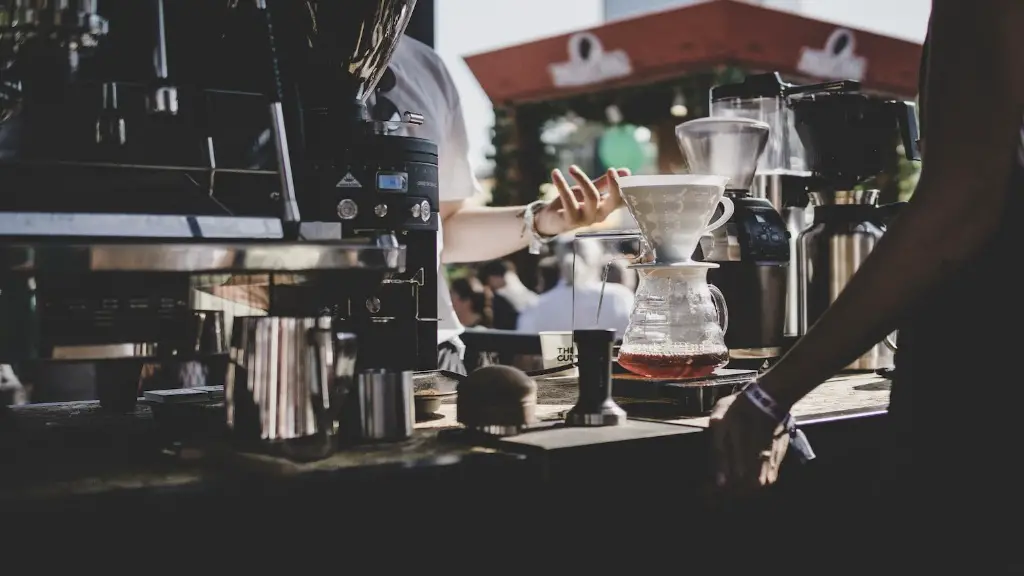
However, to get the maximum health benefits out of coffee, it’s important to go for coffee that has a low acidity and is organic, and to top it off with plant-based milk, such as oat or almond milk.
Coffee is also a great replacement for sugary drinks, such as soda and energy drinks, as it still provides a boost of energy without all of the unhealthy additives.
In short, drinking coffee later in the day can be disruptive to your sleep cycle and cause a buildup of caffeine in your system. It’s best to avoid coffee post-midday, or opt for a decaf version. Additionally, herbal teas and natural energy sources can be a great way to provide a pick-me-up later in the day without the negative side-effects of caffeine.
