
How to drink Greek Coffee
Many people appreciate a cup of coffee to get their day started, but few have experienced the unique flavor and aroma of Greek coffee. Greek coffee has been part of the culture in the country of Greece since the 15th century, with folks in neighboring regions of the Mediterranean, such as Turkey and the Balkans, since the 18th century.
Greek coffee is traditionally made from finely ground Arabica beans that are boiled, resulting in a dark, almost syrupy beverage. The result, when done correctly, is a rich and full-bodied cup of coffee that has a distinct flavor that is both familiar and exotic. However, the traditional way of preparing Greek coffee can be tricky, and improper technique may lead to an uncomfortable, overly bitter cup.
Steps for Perfect Greek Coffee
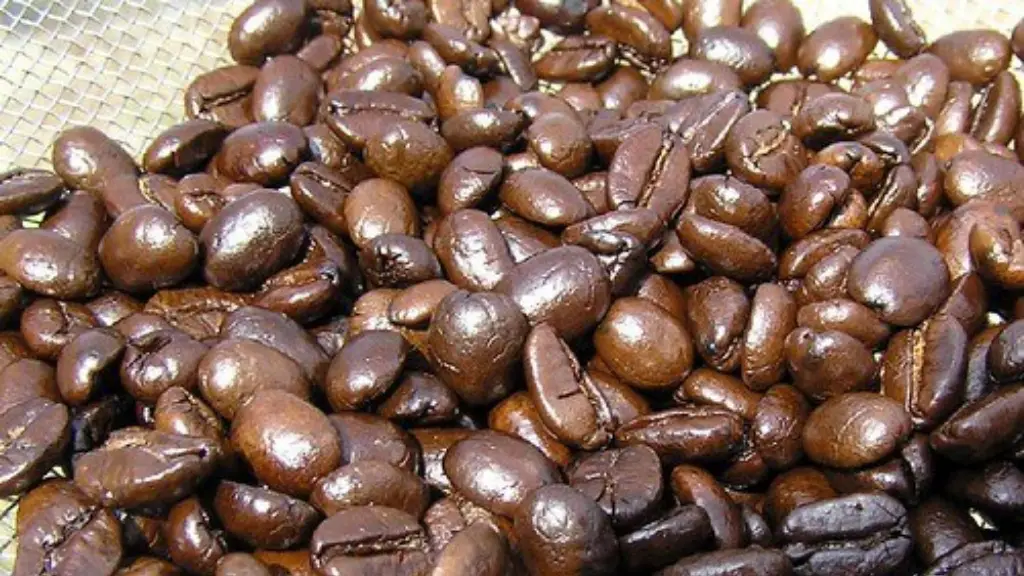
Brewing the perfect cup of Greek coffee requires several steps. Begin by selecting the right beans. Use a medium-dark roast that strikes the right balance between strength and flavor. Then, the beans must be finely ground into the consistency of crystallized sugar.

Once the grind is complete, measure the coffee using a special “briki”, the standard Greek coffee pot. One briki should yield enough coffee for four cups, so divide the grounds according to taste. Place them in the brine, add cold water, then heat the pot until it reaches just before boiling. The coffee must be stirred constantly during this process.
When the mixture starts to foam, remove the pot from the heat, stir for a few seconds, then return to the heat. The process should be repeated two more times, until the foam just begins to rise from the surface of the coffee. This should take no more than three to four minutes in total. Finally, pour into your cups, and enjoy.
Serving Suggestions
The traditional way to serve Greek coffee is without sugar or milk, allowing the natural flavor of the beans to stand out. Alternatively, you can sweeten the coffee to taste with some Greek honey or sugar in moderation. Additionally, you can use other flavorings such as Greek mountain tea, cardamom, or cinnamon to add a unique spin to your cup.
Though Greek coffee is traditionally served black, many folks choose to add a touch of cream or milk to the cup. This should be done after the coffee is served, rather than during the brewing process. Be sure to stir the coffee gently to avoid breaking the foam.
Cultural Significance of Greek Coffee
In addition to great flavor, Greek coffee has a special symbolic significance that dates back centuries. This is especially true when it comes to special occasions such as baptisms, weddings and funerals. In fact, certain folk customs revolve around the grounds that remain at the bottom of a cup.
Ancient Greeks believed that the deposits of ground coffee at the bottom of a cup could be used to predict the future. An experienced reader would assess the cup and read the patterns in the grounds to give insight into important moments in the drinker’s life. This practice has seen a recent resurgence with some coffee houses, so you may be able to find this service if you look around.
Health Benefits of Greek Coffee
In addition to being a tasty treat, there are some positive health benefits associated with the consumption of Greek coffee. For example, it is naturally high in antioxidants, which can help reduce the risk of certain diseases. Additionally, studies have linked coffee consumption to a reduced risk of depression and an increased longevity.
Finally, coffee contains some beneficial vitamins, minerals, and other nutrients that can help to boost the metabolism and aid digestion. Of course, it is important to remember that too much of even the healthiest beverage can still be detrimental to your wellbeing. So, like any other food or drink, enjoy your coffee in moderation.
Brewing Greek Coffee with the Right Tools

To get the perfect flavor and aroma from your Greek coffee, it is important to use the right tools. Traditional Greek coffee is traditionally brewed with a “briki”, a traditional Greek coffee pot made of copper or brass. However, if you don’t have access to a briki, you can also brew your coffee with a French press.
Whatever vessel you use, you will also need a “kafedes”, a wooden spoon with a long handle. This spoon is used to stir the coffee while it brews, and must be used with caution to prevent the coffee from boiling over. Additionally, use a coffee scoop to measure the beans into the pot, keeping the grind consistent with each cup.
Methods of Brewing Greek Coffee
When brewing Greek coffee, you have several options. For example, you can opt to heat the briki directly on a stovetop, or you can use a special ceramic pot over a charcoal burner. Additionally, more modern approaches include electric kettles and even a regular coffee maker. Whichever method you choose, follow the steps as outlined above for the perfect cup.
At the end of the day, a cup of Greek coffee can be a great way to enjoy the unique flavors and heady aromas of Greece. Follow these steps for the perfect cup of Greek coffee, and don’t forget to experiment with flavorings and different brewing techniques to find what works best for you.
