Caffeine and Its Effects on Exercise
Many of us rely on coffee to get a morning energy boost, but can having a cup of joe hinder our physical performance? Caffeine is one of the most common active ingredients in many dietary supplements, energy drinks, and pre-workout formulas because it is thought to improve physical endurance. The question is whether caffeine provides any meaningful benefit to exercise, or whether drinking coffee before a workout is detrimental to the body.
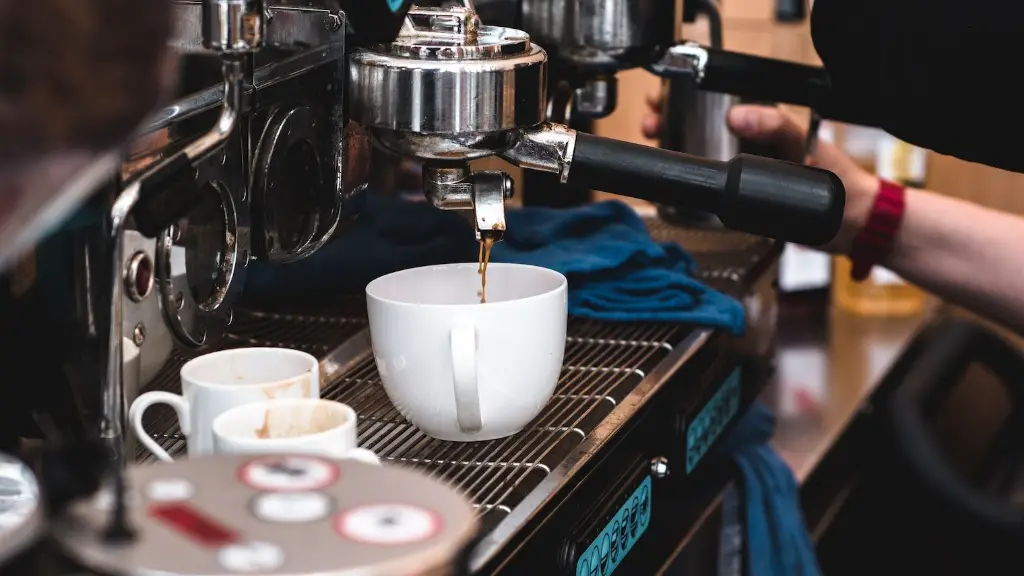
Caffeine belongs to a class of chemicals known as methylxanthines and acts as an appetite suppressant, nervous system stimulant, and diuretic. It can also reduce fatigue and cause increased wakefulness. The average cup of espresso contains about 70mg-100mg of caffeine, while a regular cup of brewed coffee contains approximately 80-120mg.
Caffeine affects the central nervous system, cardiovascular system, and respiratory system. It affects different people in different ways, but the effect is generally the same – caffeine works to decrease fatigue and increases the user’s level of alertness. At lower doses, this effect may lead to increased energy, better concentration, and enhanced mental clarity. Despite these positive results, the debate over whether or not caffeine should be consumed prior to exercise remains.

The primary benefit of caffeinated beverages prior to exercise is to reduce the feeling of fatigue during strenuous physical activity. When caffeine disrupts the breakdown of adenosine, a neurotransmitter associated with fatigue, it reduces fatigue and increases exercise performance. This means that exercise becomes easier and more enjoyable. Another benefit of consuming caffeine before exercise is its thermogenic properties, which can result in increased fat burning.
However, consuming large amounts of caffeine can lead to dehydration, which is dangerous for athletes. It can also increase heart rate and blood pressure, which can cause discomfort and potentially increase the chances of having a heart attack or stroke. Furthermore, caffeine has a diuretic effect, so athletes should avoid consuming large amounts before exercise.
Ultimately, the decision to consume caffeine before exercise should be based on an individual’s physical condition and sense of well-being. While caffeine can provide energy and reduce fatigue during exercise, it is not necessary for everyone. Since everyone’s body reacts differently to caffeine, it is best to monitor how one’s body responds after drinking coffee.
Can Caffeine Enhance Endurance Performance?
Caffeine has been shown to improve endurance performance in athletes, but the effects vary according to one’s dietary preferences, physical state, and level of activity. Several studies have demonstrated that drinking coffee or caffeine-containing beverages prior to physical activity can enhance performance, particularly during endurance activities. Caffeine enhances performance by delaying the onset of fatigue and promoting fat utilization as fuel, thereby reducing the amount of carbohydrates burned during exercise.
A study published in the Journal of Applied Physiology found that participants who consumed caffeine before exercise completed a 10-kilometer cycling time trial 4-6% faster than those who did not consume caffeine. Other studies have demonstrated that caffeine can increase fat metabolism during exercise, which can lead to improved performance and improved endurance.
On the other hand, consuming too much caffeine before exercise can have the opposite effect and actually reduce performance. This is because caffeine can disrupt digestion and cause gastrointestinal distress. Additionally, when taken in large doses, caffeine can increase the heart rate, cause anxiety, and lead to dehydration.
Overall, the majority of studies point to the fact that drinking coffee or other caffeinated beverages prior to exercise can enhance performance. About 3-6mg of caffeine per kilogram of body weight is the threshold for enhanced performance, though this varies depending on the individual. In general, it is wise to experiment with different levels of caffeine intake to find the optimal amount that works best for each individual.
Can You Pump After Drinking Coffee?
In response to the question, “Can you pump after drinking coffee?” the answer appears to be yes. While drinking coffee prior to exercise can improve performance, the effects of caffeine vary significantly from person to person. Therefore, each individual should determine the optimal level of consumption before exercise. It is also important to take caution when consuming caffeine, as large amounts can lead to adverse effects such as dehydration and increased heart rate.

When considering whether to drink coffee prior to exercise, it is important to consider one’s personal health and diet. Some individuals may not need caffeine to enhance their performance, while others may require a moderate amount to get the desired effects. Additionally, it is important to note that caffeine affects different people in different ways, so it is important to experiment with different levels to find the optimal amount that works best for each individual.
Those who are sensitive to caffeine should be aware of the potentially dangerous side effects from excessive consumption, such as heart palpitations, nausea, and headaches. As with anything, moderation is key. Consuming caffeine in moderation ahead of exercise might produce beneficial effects, but too much can lead to adverse reactions.
Is Caffeine Better Than Exercise?
Though caffeine might be useful for enhancing physical performance, it is no substitute for exercise. Caffeine can reduce fatigue and promote alertness, but there are many other factors that play a role in physical fitness. To maintain overall health, it is important to engage in regular physical activity, as well as to practice other healthy habits such as eating a balanced diet and avoiding smoking and excessive drinking.
Caffeine can be beneficial in the short term, but it is not a long-term solution to improving physical fitness. A comprehensive approach to physical fitness requires regular exercise, good nutrition, proper rest, and sufficient hydration, as well as effective mental health practices. When combined together, these components can help individual to improve their physical and mental wellbeing.

In conclusion, caffeine provides some benefits prior to exercise, but it should not be a substitute for physical activity. When consumed in moderation and in combination with an overall healthy lifestyle, caffeine can help to improve physical performance.
Can Caffeine Help You Lose Weight?
Many people turn to coffee and other caffeinated beverages in hopes of speeding up their metabolism and losing weight. While there is evidence that consuming caffeine can increase metabolic rate and lead to weight loss in some individuals, the effects of caffeine vary significantly from person to person. In general, consuming caffeine may help to facilitate weight loss, but it is important to understand the potential side effects of excessive consumption.
Due to its stimulant effects, caffeine increases energy expenditure (EE), which can lead to weight loss. However, the impact of caffeine on EE varies depending on several factors, such as age and activity level. Additionally, while caffeine can help to burn fat, it should not be seen as a substitute for exercise. For those looking to lose weight, a balanced diet and regular exercise remain the best approach.
Caffeine can also lead to an increased appetite and cravings for certain foods, which can undermine weight-loss efforts. Additionally, caffeine digestion and absorption can vary significantly from person to person, so it is important to understand how one’s body responds to get the desired effects. Too much caffeine can lead to adverse effects such as stomach upset or irritability, so it is important to ensure that caffeine is consumed in moderation.

For those looking to lose weight, drinking coffee or other caffeinated beverages prior to exercise can be beneficial. Caffeine can reduce the perceived effort during a workout and make it easier to stay motivated and push through physical challenges. Despite this, it is important to remember that caffeine is not a substitute for exercise and regular physical activity should remain a priority.
Caffeine: Is it Really That Bad?
Though caffeine is often demonized, research indicates that it can be beneficial in small doses. As a stimulant, it can improve alertness, reduce fatigue, and increase physical performance. Additionally, studies have shown that caffeine can help to reduce the risk of certain cancers, type 2 diabetes, and stroke. Caffeine can also be beneficial for those looking to lose weight, though it is important to understand the potential side effects of excessive consumption.
Despite the many potential benefits, excessive consumption of caffeine can lead to negative effects. It can increase heart rate and blood pressure, cause anxiety, and disrupt sleep patterns. Additionally, it can also increase the risk of digestive disturbances and can lead to dehydration. Therefore, it is important that caffeine is consumed in moderation.
Ultimately, the decision to consume caffeine is an individual one. Many people rely on coffee and other caffeinated beverages to get through their day, and moderate consumption can be beneficial. In order to get the most out of caffeine consumption, it is important to understand how one’s body responds to the stimulant, and to ensure that it is consumed in moderation.
