
Who Should Not Drink Coffee While Pregnant
Most pregnant women are unaware of the potential dangers of caffeine during pregnancy. Many doctors advise pregnant women to avoid caffeine and limit their coffee consumption during pregnancy, however the exact recommendation varies depending on the source. Although research is limited, the American College of Obstetricians and Gynecologists (ACOG) and the American College of Nurse-Midwives (ACNM) recommend that pregnant women limit their caffeine to no more than 200 milligrams per day.
Women who are at an increased risk of complications during pregnancy, such as those with high blood pressure, recurrent miscarriages, or diabetes, should limit or completely avoid caffeine during pregnancy.
Those who are pregnant and at a high risk for preterm labor, or labor that comes before 37 weeks of pregnancy, should also limit their caffeine consumption during pregnancy. Similarly, women carrying multiple fetuses should also avoid caffeine as high doses may increase the chances of a miscarriage or preterm labor.
Effects of Caffeine on Pregnancy Outcomes
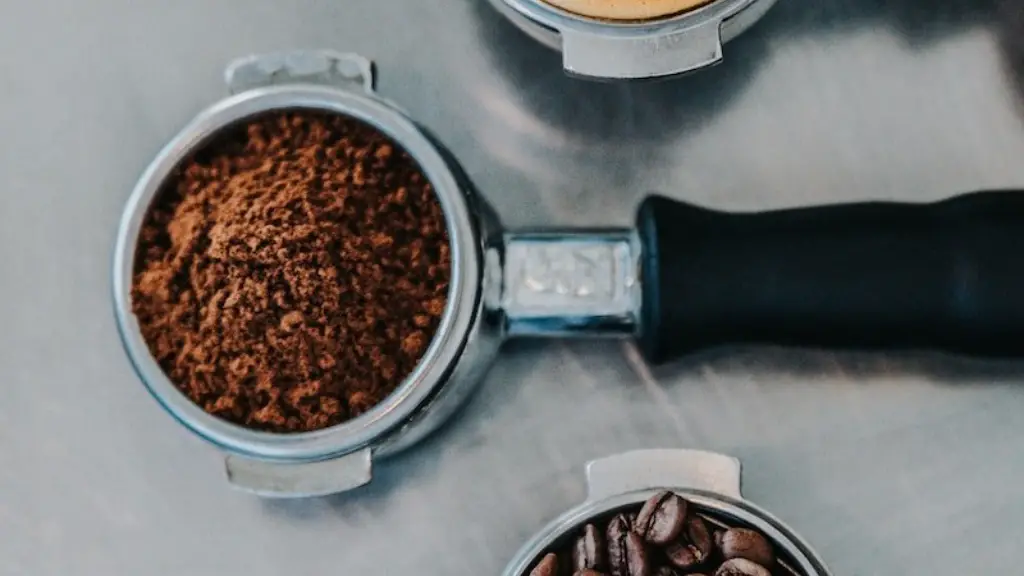
In general, pregnant women should limit their daily caffeine intake to 200mg or less. However, some researchers suggest that even low levels of caffeine, around 100-200mg per day, can increase the risk of miscarriage and stillbirth.
A recent study by researchers at the Harvard TH Chan School of Public Health found that pregnant women who consumed more than 200mg of caffeine per day had a higher risk of stillbirth. The study found that women who consumed more than 200mg of caffeine per day had a 28 percent higher risk of stillbirth when compared to those who consumed no caffeine.
In addition, the study found that the risk of stillbirth increased with the amount of caffeine consumed. Women who consumed more than 200mg of caffeine per day had a 38 percent higher risk of stillbirth when compared to those who consumed no caffeine.
Other studies have found a link between caffeine consumption and an increased risk of preterm birth, a type of early labor that can cause serious health risks for both mother and baby. The research suggests that pregnant women who consume more than 200mg of caffeine per day have an increased risk of preterm birth.
What About Decaffeinated Coffee?

Decaffeinated coffee is a safe option for pregnant women who want to enjoy a cup of coffee without the associated risks of caffeine. Decaffeinated coffee does contain small amounts of caffeine, but it is significantly lower than the amount found in regular coffee.
When selecting decaffeinated coffee, it is important to look for coffee that is labeled 100 percent decaffeinated. This means that the coffee has been processed to remove all of the caffeine, which is the safest option for pregnant women.
Although decaffeinated coffee is a safe option for pregnant women, it is important to note that decaffeinated coffee still contains trace amounts of caffeine. Thus, it is important to limit the amount of decaffeinated coffee consumed during pregnancy.
Alternatives to Coffee During Pregnancy
For those who are avoiding caffeine while pregnant, there are many alternatives to coffee that can be enjoyed. These include herbal teas, decaffeinated teas, decaf herbal infusions, and decaf green tea.
In addition, there are many beverages and non-caffeinated drinks that can be enjoyed during pregnancy. These include vegetable juices, fruit juices, smoothies, broths, and milk-based drinks such as shakes and lattes.
There are also a number of decaffeinated soft drinks on the market. These are safer alternatives for pregnant women who want a fizzy drink without the risks associated with caffeine.
Nutritional Benefits of Coffee During Pregnancy
In addition to avoiding caffeine, pregnant women should also make sure to meet their nutritional needs during pregnancy. This can be accomplished by consuming a balanced diet that is rich in fruits, vegetables, whole grains, and lean proteins.
Coffee can also be a source of important nutrients during pregnancy. Coffee is a good source of antioxidants, which help protect the body from damage caused by free radicals. In addition, coffee contains B vitamins, which support the body’s metabolism and energy production.

Finally, coffee is a good source of minerals such as calcium, magnesium, and potassium, which are essential for healthy fetal development.
Caffeine Alternatives During Pregnancy
For pregnant women who are looking for an energy boost or want an alternative to coffee, there are many caffeine-free drinks and beverages that can be enjoyed. These include herbal teas, water, vegetable juices, and fruit juices.
In addition, there are many foods and snacks that provide energy without caffeine. These include fruits, nuts, seeds, whole grains, and protein-rich sources such as eggs, fish, and lean meats.
Finally, pregnant women should make sure to get adequate sleep and stay hydrated. This can help to ensure that the body is getting the energy and nutrients it needs for a healthy pregnancy.
Does Coffee Affect Breastmilk?

It is recommended that pregnant women and nursing mothers limit their caffeine consumption or completely avoid it during pregnancy and breastfeeding. Caffeine consumption can lead to excess agitation in babies, so it is important to limit caffeine during pregnancy and breastfeeding.
When a pregnant woman consumes caffeine, the caffeine is passed to the baby through her bloodstream, and then to her breast milk. It takes around 4 to 6 hours for the caffeine to leave the body, so it is important to time caffeine consumption accordingly.
In addition, caffeine can increase the baby’s blood pressure, and can cause irritability, restlessness, and difficulty sleeping. Therefore, it is recommended that pregnant women and nursing mothers limit their caffeine consumption or completely avoid it during pregnancy and breastfeeding.
Changes in Coffee Drinking Habits During Pregnancy
Pregnant women should always talk to their health care provider about the safety of caffeine consumption during pregnancy. While there is limited research on the exact effects of caffeine on a developing fetus, it is always best to err on the side of caution.
It is recommended that pregnant women limit their caffeine intake to no more than 200mg per day, or completely avoid it if possible. In addition, pregnant women should consider switching to decaffeinated coffee or drinks, or opting for non-caffeinated beverages or snacks instead.
Finally, pregnant women should evaluate their coffee drinking habits and make any necessary changes to ensure their health and the health of their baby. It is important to remember that all decisions regarding health while pregnant should be discussed with a physician.
