
Making authentic Arabic coffee
Arabic coffee, which is a type of coffee bean that is especially prepared in Middle Eastern countries, can be both a unique experience and a culinary adventure. Preparing the coffee in a traditional way is both simple and rewarding. Here we provide a step-by-step guide on how to make this special cup of coffee.
Selecting the right coffee
The first step in creating the perfect cup of Arabic coffee is to select the right coffee beans. As with all types of coffee, the quality of the beans is important as well as the origin. Middle Eastern countries such as Iraq, Yemen, and Turkey produce some of the best Arabic coffee beans. It’s also important to select freshly roasted and ground beans for the best flavor.
How to Grind the Coffee Beans
The key to achieving the perfect flavor for the coffee lies in the grinding. When grinding the coffee beans, it is important to achieve a very fine powder-like consistency. This is usually done with a mortar and pestle or an electric grinder, though some people opt to use a coffee mill as well. It is also important to ensure that the consistency of the coffee grounds is even throughout.
Brewing the Coffee

Once the coffee grounds have been ground to an appropriate texture, they can then be used to prepare the coffee. It is best to use a traditional Arabic coffee pot, which is typically made from stainless steel and comes with a long handle. To brew the coffee, add a few heaped tablespoons of the ground coffee to the pot and then fill it up with cold water. The pot should then be placed on the stove and heated until it reaches a simmer. Once the coffee has reached the desired temperature, it should be removed from the heat and left to steep for a few minutes before serving.
Adding the Spices
Arabic coffee is known for its unique flavor, and one of the main contributors to this flavor is the spices that are typically added. Cardamom and saffron are two of the most commonly used spices, though some people also prefer to add a touch of cinnamon or anise as well. The spices should be added to the coffee while it is brewing, as this will allow their flavors to infuse the coffee.
Final Touches
Before serving the coffee, it is customary to pour a few drops of rosewater or orange blossom water into the cup. This adds a subtle sweetness and a mildly floral note to the drink. Traditionally, the coffee is then served in small cups with a side of dates.
The Traditions of Sharing
Drinking and sharing an authentic cup of Arabic coffee is a deeply rooted tradition and can be a rewarding experience for any coffee lover. Taking the time to properly prepare the coffee using traditional methods is a great way to not only learn more about this unique beverage but also to share it with others.
Special Occasions

The tradition of enjoying a special cup of Arabic coffee has been alive for centuries, and has been essential to Middle Eastern culture on both special occasions and regular days. It is seen as a symbol of hospitality and a sign of friendship in many regions.
Celebrating Weddings
In many towns and villages, it is a tradition for the bride and groom, as well as the guests, to enjoy authentic Arabic coffee during their wedding ceremony. In some parts of the Middle East, the groom’s father will present a pot of coffee to the bride and her family as a gesture of allegiance.
Memorial Services
For memorial services in the Middle East, coffee is often offered to mourning family members and friends. This is seen as a sign of respect and sympathy and a means of offering comfort during a difficult time.
Gatherings
Arabic coffee is also an important part of large gatherings such as religious occasions and holidays. In some regions, the coffee is shared around amongst all of the guests as a sign of friendship and good will. It is also often served to commemorate special milestones or achievements.
The Art of Preparation
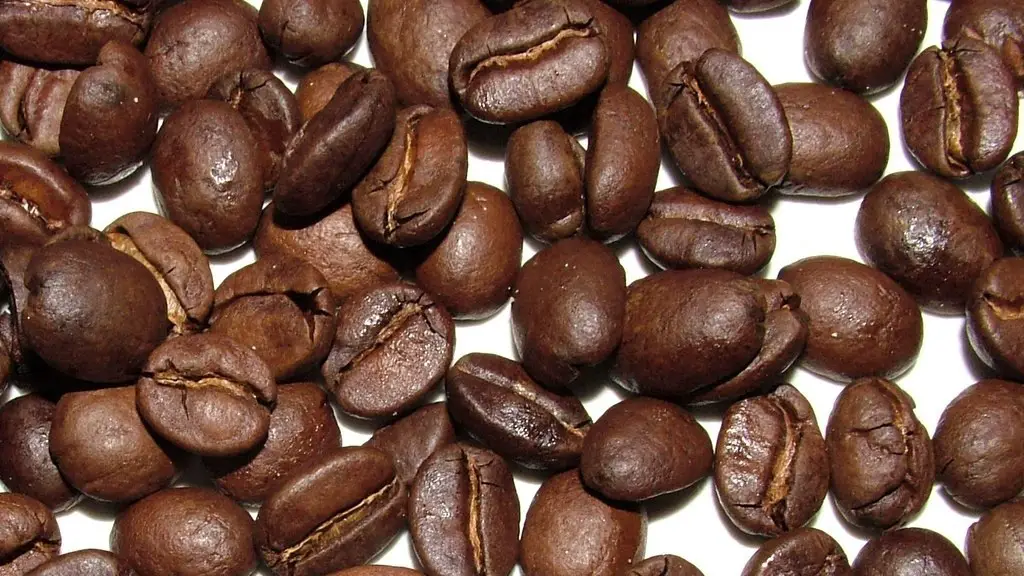
Preparing authentic Arabic coffee requires a certain level of finesse, and as such has been seen as an art form in some regions. In many Middle Eastern villages, there are coffee professionals who are trained to make the most delicious coffee and are often highly sought after for special occasions.
The Health Benefits
Despite the fact that it contains caffeine, Arabic coffee can have a number of health benefits due to its unique blend of ingredients.
Cardamom
Cardamom is a spice that has long been used in traditional medicine, particularly in the Middle East. It is known for its ability to boost the immune system, improve digestion, and reduce inflammation.
Caffeine
Caffeine is present in all types of coffee, though the amount can vary hugely depending on the variety of beans used. In Arabic coffee, the amount of caffeine is usually quite low, so it can be enjoyed by people who don’t usually consume caffeine.
Saffron
Saffron is known for its antioxidant and anti-inflammatory properties, and it is often touted for its ability to reduce the risk of some diseases.
Antioxidants
As with all types of coffee, Arabic coffee is loaded with antioxidants, which can help protect the body from damage caused by free radicals. This can help to improve overall health and reduce the risk of many illnesses.
Enjoying Arabic Coffee
Drinking Arabic coffee can be an enjoyable experience, and those who try it will be rewarded with a unique and flavorful cup of coffee. Knowing how to prepare the coffee using traditional methods and understanding the role it plays in Middle Eastern culture is all part of the enjoyment.
Taste
The taste of Arabic coffee is truly unique, and it can vary from one region to another depending on the spices used and the method of preparation. It is usually quite strong and aromatic, with a slightly sweet flavour, and the floral notes of the cardamom and saffron standing out.
Sharing and Culture

The tradition of sharing a cup of Arabic coffee has deep roots in Middle Eastern culture and it is often used to symbolise friendship and hospitality. The aroma of the coffee can bring people together and it is a rewarding experience to be able to prepare and share it with others.
Gift Giving
Arabic coffee is often shared as a gesture of goodwill and is often given as a gift. It can be seen as a luxury item and a symbol of appreciation, and is usually served with a side of dates.
Making Your Own
Making authentic Arabic coffee at home can be a rewarding experience, as once you get the hang of it you can begin to experiment with different spices and ingredients. Preparing the coffee in a traditional way will reward you with a unique and flavorful cup of coffee that will be enjoyed by all.
