
Coffee and sleep are two of the most beloved staples of everyday life. But can one really cause the other? Does drinking coffee make you more tired?
In the best-selling book The Secret of Coffee, author Leslie Ann Prince shares her insight on this very subject. “When it comes to coffee and sleep, it can be tricky to find a balance,” she says. “Too much of either can leave you feeling overly exhausted.” The idea that drinking too much coffee could lead to exhaustion has been long-debated in the scientific community, but the jury is still out.
There’s anecdotal evidence that drinking too much coffee can make you feel more fatigued, but scientific studies are inconclusive for definitive proof. A study reported in the journal Sleep by researcher Christopher Drake and his colleagues found that drinking four or more cups of coffee per day was associated with increased levels of fatigue, but it’s important to note that the study was small and limited to postmenopausal women. Other research conducted at the University of Pennsylvania found no link between coffee consumption and fatigue at all.

Scientific studies aside, many people still feel that drinking coffee makes them tired. This phenomenon might be a result of caffeine’s natural stimulant properties. When you consume caffeine, it temporarily revs up your body and mind. If you consume too much caffeine, your body and mind become overstimulated, leading to a sense of exhaustion and fatigue. Additionally, caffeine can also interfere with the body’s ability to regulate its internal biological clock, leading to sleep disturbances and difficulty falling asleep at night.
For most people, moderate amounts of coffee can be a great energy booster and won’t interfere with your ability to sleep. But if you’re easily prone to caffeine-induced tiredness, it’s best to keep your coffee consumption to a minimum. If you find yourself feeling overly exhausted after drinking coffee, try drinking less, or alternative sources of energy such as tea or other non-caffeinated beverages.
Caffeine Tolerance
How caffeine affects you is determined by your individual tolerance level. Some people are more sensitive to the effects of caffeine than others and may experience more pronounced effects when drinking coffee. Likewise, others may be able to drink coffee and experience little to no effect at all.
If you’re sensitive to caffeine, it’s best to reduce your consumption of coffee or to find alternative sources of energy. For example, tea contains a much lower amount of caffeine than coffee and can be a great way to start the day. Additionally, there are also many herbal and natural energy drinks available that do not contain caffeine, allowing you to avoid caffeine-related fatigue.

If you do find yourself drinking coffee and feeling excessively tired afterwards, it’s important to be aware of your individual caffeine tolerance and adjust your consumption level accordingly.
Adjusting Your Habits
It’s also important to consider your overall habits and lifestyle. Many people rely on coffee to get them through the day, but if you’re regularly burning the midnight oil, it’s important to adjust your lifestyle to make sure you’re getting enough sleep. Aim for 7-8 hours of quality sleep a night and stick to a regular sleep schedule as much as possible.
It’s also important to make sure that you’re getting enough exercise on a regular basis. Regular physical activity is one of the best ways to maintain energy levels and can help keep your internal rhythms in check. Eating a healthy diet can also help. Eating a balanced diet with plenty of fruits, vegetables, and whole grains can make a huge difference in how you feel both mentally and physically.
In addition to making sure you’re getting enough sleep and exercise, it’s also important to manage your stress levels. Stress causes fatigue, so make sure you’re taking the time to relax your body and mind throughout the day.
Coffee Alternatives

If you’re trying to avoid fatigue-inducing coffee, there are many alternatives on the market. Yerba mate is an increasingly popular caffeine-containing beverage that has a fraction of the caffeine of coffee. There is a substantial amount of research showing potential health benefits when drinking yerba mate. It has the added bonus of containing theanine, an amino acid that helps to relax the body and reduce stress.
There are also many herbal and natural energy drinks on the market, such as guayusa or guarana. These drinks vary in caffeine content, so make sure to read the label before you buy. Additionally, there are many non-caffeinated energy drinks available that are packed with vitamins and minerals that can help you boost your energy levels without causing fatigue.
Risks of Excessive Coffee Consumption
Excessive coffee consumption can lead to other health risks and problems. Drinking too much coffee can raise your blood pressure, raise anxiety levels, and interfere with your body’s ability to absorb essential vitamins and minerals. Additionally, drinking coffee late in the day can interfere with your natural circadian rhythm, leading to difficulty sleeping. Caffeine has a half-life of five to seven hours, meaning that the effects may last long after you finish drinking it.
If you’re having trouble regulating your caffeine intake, there are a few ways you can try to manage it. Avoid drinking coffee late in the day, so that it doesn’t interfere with your sleep. Additionally, you can switch to lower-caffeinated beverages such as tea or yerba mate and keep your intake of energy drinks, sodas, and other caffeine-containing beverages to a minimum.
Final Tips
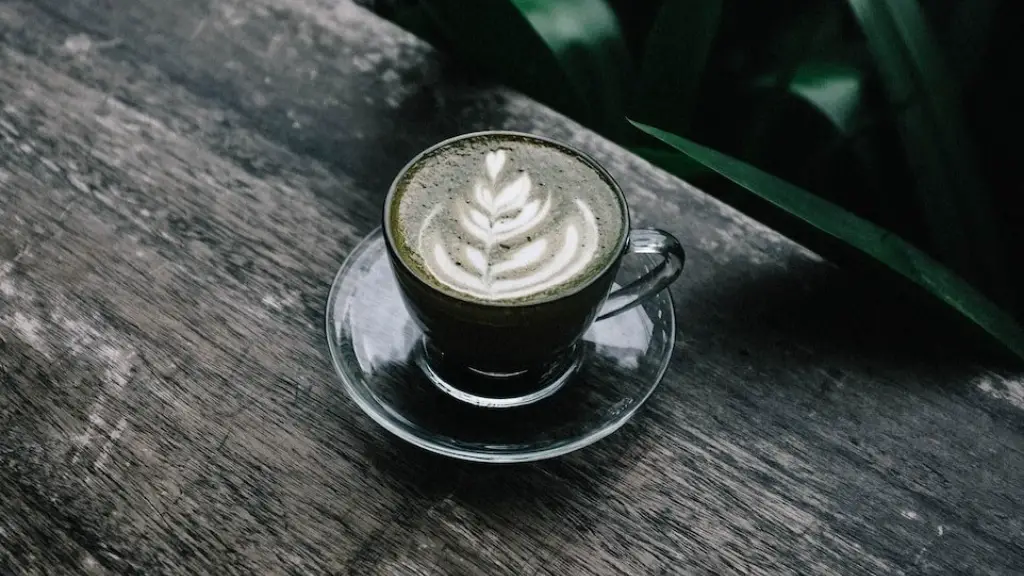
Remember that each person is unique, so you have to listen to your body and determine what works best for you. If you’re feeling excessively tired after drinking coffee, that may be a sign that you’re drinking too much. Try reducing your coffee intake and see if that helps. For most people, moderate amounts of coffee are perfectly safe and can do wonders to boost your energy levels – so don’t be afraid to enjoy your coffee!
