
Maintaining Whiteness – The Coffee Effect
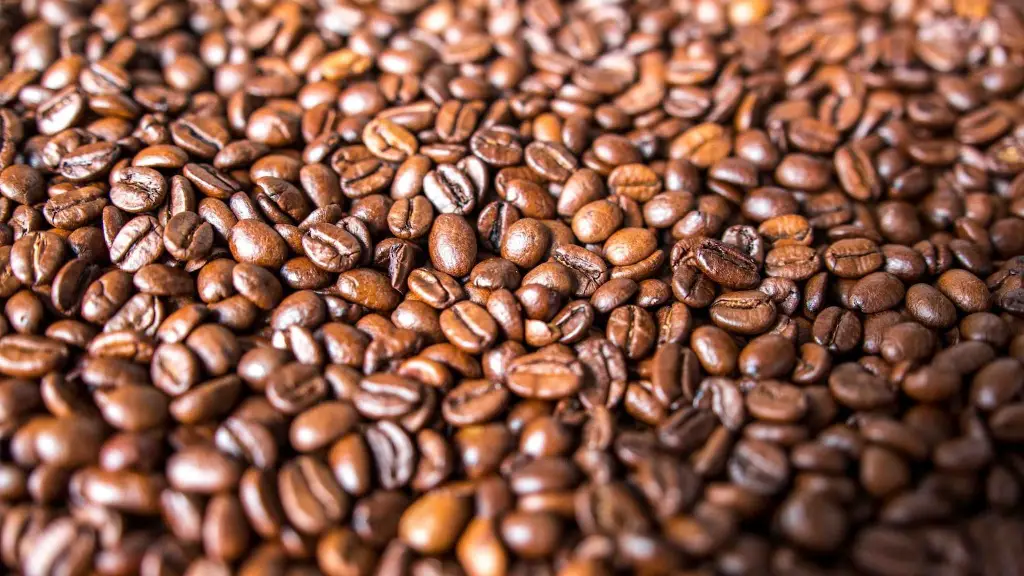
Coffee has been an integral part of many people’s morning rituals for centuries. The rising popularity of speciality coffee drinks has only added to this staple’s ever-growing strength. It’s estimated that up to 500 million cups of coffee are consumed each day around the world, making it arguably the most widely consumed hot beverage.
While the flavour and caffeine fix of the beverage are always a plus, the downside to such mass consumption is that coffee can have serious implications on dental health. The main issue is that the tannins contained in coffee can have an adverse affect on the whiteness of the teeth, staining them and discolouring them in a matter of weeks.
What Causes Teeth To Stain?
Staining or discolouring of teeth isn’t something that happens over night. It’s a progressive process brought about by the kinds of foods and drinks consumed, as well as oral habits like smoking.
Tannins are polyphenolic compounds found in coffee and other foods like tea and red wine which, when consumed regularly, can adhere to the teeth, causing discolouration. But it’s not solely regular consumption and poor oral hygiene habits that can cause staining. Shining a light on the matter, dentists and hygienists have also identified age and heredity as contributing factors.
Perhaps the most important thing to remember is that it is not unheard of for those with very healthy and well cared-for teeth to suffer staining; coffee consumption just can make it happen more quickly.
Tips To Reduce Staining
The good news is that mitigation tactics can be taken to reduce the impact of coffee on teeth. Some experts suggest that if you just cannot give up coffee, at least make sure it is weakly brewed as strong coffee can have a much more potent staining effect.
Other options include adding milk to coffee, which helps to break down the tannins and slow the staining process. Consuming water or food after having coffee can also help to wash away the tannins before they attack the teeth.
For maximum efficiency, using a straw to sip the beverage can help to keep the majority of the liquid away from the teeth, which then reduces its discolouration impact.
Whitening Alternatives
Drinking coffee does not have to mean the end of white teeth. It is important to note that substances used to whiten teeth – such as bleach, hydrogen peroxide and Carbamide peroxide – can make teeth brittle, leaving them exposed to more staining when it comes to drinking coffee.
Whitening toothpaste, of which there are now plenty on the market, can provide a useful solution as they contain mild abrasives which can be used to scrub away the surface of your teeth and remove top layer stains.
To get best results, look for ingredients like hydrogen peroxide, baking soda and fluoride as they are all proven helpers in the fight against stained teeth.
Tooth Brushing Techniques
One of the most important things to remember if you want your teeth to stay white for as long as possible is that brushing is a key way to help the process, or at the very least slow it down.
It’s important to brush at least twice per day, once in the morning and once in the evening, and to make sure that it’s done properly.
The key here is to brush in a circular pattern around the mouth and to ensure that every tooth is being cleaned as much as possible. Brushing for a total of two minutes is a good rule of thumb and using a soft or even medium strength brush is also very important. This will ensure that the damage to the gum line is kept to a minimum when brushing.
Professional Treatments
For those wanting an even more direct approach to whitening their teeth, there are more professional treatments available. At the moment, due to the Covid-19 pandemic they are largely unavailable but will no doubt return when restrictions are lifted.
These treatments involve visiting a dental specialist and range from in-office and home bleaching techniques to ultraviolet treatments. The great thing about these treatments is that the results are relatively immediate, with some teeth being whiter in a matter of a few hours.
However it’s also important to remember that dental specialists also advise these treatments as a one-off and that it’s best to not overdo it as it could potentially have a considerable impact on the overall health of the teeth.
Alternative Methods Of Brightening Teeth
Whilst whitening treatments have become more popular in recent years, there are still plenty of wonderful alternatives that, while they may take a bit more time and involve more patience, will very likely help keep your teeth brighter.
Using Natural Oils

One of the most popular alternative methods for keeping teeth white is using natural oils. Coconut oil or sesame oil are both excellent choices and there are also oils like tea tree oil, peppermint oil and hydrogen peroxide which are all said to help give teeth a whiter, cleaner and brighter appearance.
When using these oils it’s important to make sure that the coconut oil is or sesame oil are warm enough to dissolve the plaque. This should be followed by brushing the teeth with a toothbrush and spitting out the oil into the sink.
Baking Soda
Baking soda is also a popular choice for teeth whitening and is believed to be effective as it contains mild abrasives that can help to scrub away surface stains.
The great thing about baking soda is that it is so inexpensive and easy to use. Simply mix a teaspoon of baking soda in with a small amount of toothpaste. After rubbing the paste onto the teeth, brush them with a toothbrush in a circular motion for two minutes and rinse with plenty of water.
Brushing With Hydrogen Peroxide
Hydrogen peroxide can be found in most homes and is an effective method for whitening teeth. It is believed to be able to penetrate the internal structure of the teeth and get rid of deeply embedded stains.
When using hydrogen peroxide for teeth whitening, make sure to use pure 3% hydrogen peroxide as this is the safest concentration for teeth. This should be followed by brushing the teeth with a toothbrush for two minutes and rinsing with water.
Activated Charcoal Method
Using activated charcoal to whiten teeth is thought to be a very effective method. Activated charcoal works by absorbing plaque, bacteria and even toxins in the mouth which then helps to brighten the teeth.
Simply pour a teaspoon of activated charcoal into a bowl and add a teaspoon of water. Then take a q-tip and dip it into the mixture and rub it around your teeth and gums in a circular motion. The activated charcoal should be left on the teeth for one to two minutes before being rinsed off with plenty of water.
Teeth Whitening Options

For those wanting to whiten their teeth but loathe the idea of visiting the dentist, there are a wealth of alternatives available on the market, from toothpastes to strips, gels and trays.
Whitening Strips And Gels
Whitening strips and gels are a popular choice for those wanting to whiten their teeth but who don’t want to or can’t afford to visit a dental specialist.
These strips and gels contain hydrogen peroxide which reacts with the enamel of the teeth to whiten them. Whitening gels can be applied using a toothbrush for at least three minutes, whilst strips are very simple to use; simply fix the strip over the teeth and leave it in place for the designated time.
Toothpastes
Whitening toothpastes containing baking soda, hydrogen peroxide and fluoride have been proven to help remove surface stains, leaving teeth looking brighter and cleaner.
These toothpastes can be used in conjunction with other natural remedies, like essential oils and baking soda, for maximum results.
Whitening Tray Systems
Whitening trays are generally the go-to option for those wanting to whiten their teeth with maximum efficiency. These trays contain Carbamide peroxide, a bleaching agent which works to penetrate the surface of the teeth and remove stains on the enamel.
The trays are pre-filled and worn, either overnight or over a period of time, to ensure maximum whitening.
Dietary Habits To Maintain Whiter Teeth
Whilst drinking coffee is not always specific to teeth whitening, there are still certain dietary habits that can help keep your teeth brighter and looking better in the long run.
Strawberries
Strawberries are known for their natural teeth whitening properties. They contain a natural enzyme called malic acid which helps to gently remove surface stains from the teeth.
To use in conjunction with brushing, simply blend a few strawberries and brush with the mixture onto the teeth for two minutes.
Cheese
When looking for natural teeth whitening ideas it’s important to remember that dairy products like cheese can be helpful as they help to raise the pH balance in the mouth, therefore aiding in the prevention of plaque.
Cheese can also help to remineralise the teeth in the same way that fluoride does, so having a few slices here and there may help to keep those pearly whites looking white.
Crisp Fruits And Vegetables
Crisp fruits and vegetables can help to naturally clean the teeth as they contain fibre which can help to remove plaque and tartar from the teeth.
Apples, carrots and celery are all examples of these foods and they can be excellent teeth whitening options as they help to act as natural tooth brushes – essential in the battle against yellow teeth.
Other Foods

Other natural teeth whitening foods include nuts, yogurt, onions and leafy greens. Not only will nuts help to scrub your teeth and keep them clean, but their high calcium content can also help to improve their overall health
Yogurt is also a great choice for teeth whitening as not only does it contain probiotics which help to balance the good and bad bacteria in the mouth, it also helps to whiten teeth by forming a protective layer against staining from food and drinks.
Onions are also believed to help naturally whiten teeth due to their high sulphur content which helps to effectively remove surface stains.
Finally, eating plenty of leafy greens helps to maintain dental health by helping to rebuild the enamel which is weakened by the staining effects of food and drinks.
