When you’re seated down to a steaming cup of coffee, what is it that you really savor? Is it the spiciness of the cinnamon, the tang of the acidity, or the deepness of the roast? All of these could be clues as to what your coffee personality type is. Your coffee drinking habits can reveal a lot about your personal preferences and how you relate to things around you. Understanding your coffee personality can provide insight into areas of your life that have little to do with coffee itself.
According to research conducted by the National Coffee Association (NCA), 94% of Americans partake in coffee drinking on a daily basis, with 57% drinking more than one cup each day. That’s an incredible statistic that shows how important coffee culture is in America. Research also indicates that 78% of coffee drinkers claim to know their coffee preferences better than anything else.
Since coffee is such an important part of our culture, it makes sense that there are different coffee personalities, just as there are personality types for people. Understanding the different types of coffee drinkers can give us insight into how each coffee personality approaches life and its challenges. It can also help us to understand why people have different preferences in what they drink.
Coffee lovers can generally be categorized as one of three different types: adventurous they seek out new flavors and try to find a way to customize their drink; traditionalists they prefer the same cup all the time, and loyalists they have a routine and stick with what they know. There are other types of coffee drinkers as well, but these three categories encompass the majority.
Adventurous types tend to be open to new experiences and crave variety in their lives. They are constantly seeking new flavors and will experiment with different combinations to get the perfect cup. They are also open to new technology and are willing to use it to make their coffee experience easier and more enjoyable.
Traditionalists are more consistent with their preferences and do not stray from their go-to cup of coffee. They prefer black coffee or the tried-and-true basics, like a latte, cappuccino, or mocha. They may try something different from time to time, but typically stick with what has worked for them in the past.
Lastly, there are the loyalists. They prefer a certain brand, usually one they have grown to love over time and developed an emotional connection with. They may experiment with other coffees, but they typically come back to their preferred brand every time.
Preference for Coffee Strength and Temperature
Understanding your preference for coffee strength and temperature can give you valuable insight into your tastes and how you tend to approach things. Those who favor strong, robust coffee are often more assertive and driven, while those who prefer a lighter roast are usually more tolerant and laid-back.
When it comes to temperature, those who prefer iced coffee can be seen as the life of the party, while those who drink hot coffee are the dependable ones. Those who opt for a lukewarm cup can be seen as being able to go with the flow.
Some people prefer a combination of both hot and cold or have a preference for espresso. Those who prefer espresso are usually creative, organized types that enjoy a challenge and a sense of accomplishment when they overcome it. Those who prefer a combination of hot and cold, can often be seen as open-minded, curious, and adaptable.
It’s important to note that the different coffee personalities are not about the type of coffee but rather how you approach your coffee journey. It’s easy to jump to conclusions about someone based on their coffee preferences, but it’s important to remember that everyone is unique and approaches things differently.

In addition to these personalities, there are many other ways coffee preferences can indicate personality traits. Those who like sweet beverages may be more optimistic and spontaneous, while those who drink coffee black may have strict standards and precision in the way they approach life.
Regional Preferences
Coffee preferences can be regional as well. People in certain regions tend to prefer certain types of drinks or certain coffee roasts. This could be due to climate, cultural influence, or both. For example, in the Northwest, coffee drinkers tend to prefer light, acidic roasts, while in the Midwest and Southwest, there is a preference for dark, robust roasts.
In addition, certain regions have their own unique coffee preferences. In Hawaii, for instance, coffee drinkers tend to prefer the specialty drinks such as macadamia nut-flavored coffee with coconut syrup, while in New Orleans, cafe au lait is the drink of choice.
Coffee preferences can also be influenced by the culture you are part of. In some countries, coffee is a symbol of hospitality and part of the social customs, while in other countries, coffee is seen more as a beverage for adults and is often associated with luxurious indulgence.
Regardless of the culture or region, coffee personalities reveal the individual preferences of coffee drinkers. As an individual coffee drinker, it’s important to understand your own coffee personality and how it affects your decisions and preferences. This understanding can help you determine what type of coffee to buy and what flavor combinations to experiment with.
Summary
At its core, understanding your coffee personality is about understanding your personal preferences and how they shape your relationship with coffee. It requires you to take a step back and really think about your coffee-drinking habits and why you prefer certain things. Understanding your coffee personality can help you appreciate the nuances of the coffee-drinking experience and how those nuances relate to other areas of your life.
Importance of Cafes and Socialization
Though many people enjoy their coffee in the comfort of their own homes, coffee shops are also essential for the coffee-drinking experience. Cafe culture is a vital part of how people socialize and develop relationships, and it is one of the most important aspects of coffee drinking.
Coffee shops allow for a unique gathering place where people can come together and share their experiences with one another. It provides an opportunity to talk, to listen, and to appreciate something that brings people together, regardless of their background.
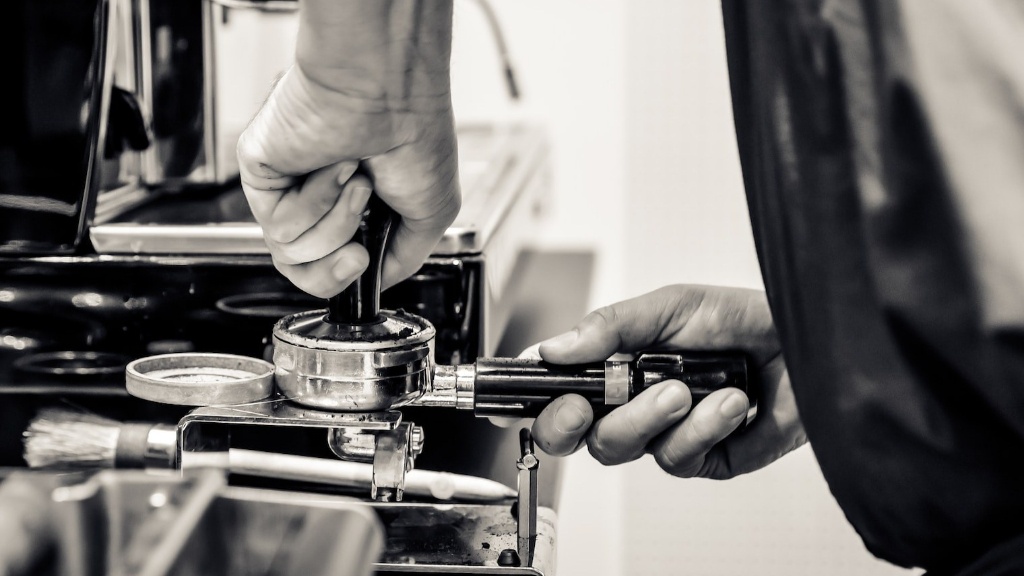
Coffee shops also can provide an atmosphere of relaxation, where the hustle and bustle of everyday life can be put aside and replaced with conversations, laughter, and friendship. These moments often create lasting memories and become part of the coffee-drinking experience.
As such, coffee shops are not just places to buy coffee, but they are also places of socialization. They provide an opportunity to meet new people, catch up with old friends, and generally enjoy life and all that it has to offer.
Effects of Different Coffee Types
The effects of different coffee types can vary drastically, depending on the person and the type of coffee. Generally speaking, lighter roasts have less caffeine than darker roasts and have a more mellow and smooth taste. Darker roasts tend to have a more bold and intense flavor, but they also have more caffeine.
Espresso, on the other hand, has much less caffeine than regular coffee. It is often used in specialty drinks such as cappuccinos and lattes, and its unique flavor is due to the way the beans are roasted and brewed. Espresso also has a concentrated flavor and can be enjoyed with or without milk.
The effects of these different types of coffee can range from an energized feeling and increased alertness to a relaxing and calming experience. While some may prefer one type to another, it’s important to remember that everyone’s reactions to coffee may vary.
Health Benefits of Coffee
Coffee can have many positive effects on our health, especially if it’s consumed in moderation. Coffee is packed with antioxidants and beneficial compounds that can help protect us from a variety of diseases and illnesses. Coffee consumption has also been linked to a reduced risk of Type 2 diabetes, stroke, and certain types of cancer.
In addition to its disease-fighting properties, coffee can also provide a boost in alertness and energy. This makes it a popular drink among students and those who need an extra boost of energy to get through a long day or night. Coffee can also affect mood, helping to reduce depression, stress, and anxiety.
Lastly, coffee can help boost metabolism and can be used as an appetite suppressant. Though it’s not recommended to replace meals with coffee, it can be used to help control cravings and reduce overall calorie intake.
Alternative Drinks
Not everyone is a coffee drinker, but there are still plenty of options for getting your daily fix of caffeine. Latte drinks, such as chai, matcha, and turmeric lattes, are becoming increasingly popular and offer a healthy alternative to traditional coffee beverages. Cold brew, ready-to-drink coffees, and tea are also popular options that can provide a quick source of caffeine without the bitter taste of coffee.
For those looking to avoid caffeine altogether, alternatives such as grain coffee and herbal teas are also available. These drinks provide the same taste and sensory experience of coffee without the stimulant effects of caffeine.
No matter which type of coffee drinker you are, there’s something for everyone. Coffee is a wonderful way to start your day, relax after a long day, or just to share a moment with friends and family. Your coffee personality can provide insight into how you approach life, and it’s an important part of how you engage with the world around you.
