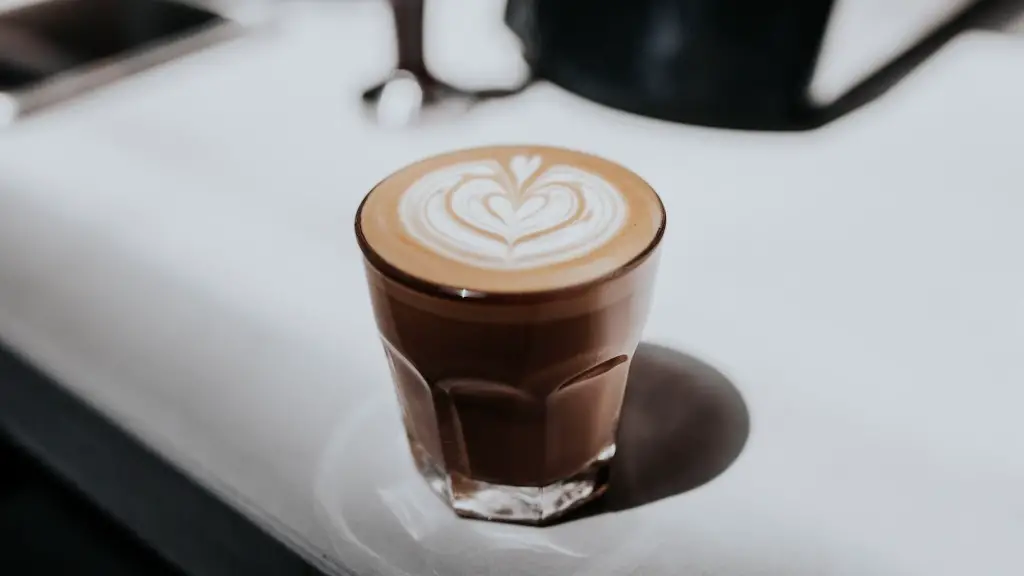
Expectant mothers have many questions about the foods and drinks that are safe for them to consume during pregnancy. One of the most common questions is how much coffee can I drink if I’m pregnant? Coffee consumption during pregnancy is a very controversial topic – and for good reason. While some studies seem to indicate that moderate consumption is not harmful to the developing fetus, other studies suggest the opposite – that no amount of caffeine can be considered safe.
The next question, then, is how much coffee is considered moderate? Unfortunately, none of the studies provide a definitive answer to this question. According to the American Pregnancy Association, it is considered safe for expectant mothers to drink no more than 200mg of caffeine per day. That’s the equivalent of two 8-ounce cups of coffee (at 95mg per cup).
In the absence of a definitive answer, the best advice is to err on the side of caution. Caffeine is a stimulant, and too much of it can cause a variety of issues, such as heart palpitations or insomnia. Additionally, some studies have suggested an association between excessive caffeine consumption and an increased risk of miscarriage, as well as low birth weight.

Of course, the total amount of caffeine consumed by an expectant mother depends not only on how much coffee she’s drinking, but also on how much caffeine she’s getting from other sources, such as tea and soda. The majority of sodas contain around 35-45mg of caffeine per 12-ounce serving, while a typical cup of tea contains around 25-35mg.
Expectant mothers who are worried about their caffeine intake may want to consider switching to de-caffeinated coffee, as some studies suggest that decaf may be just as beneficial as regular coffee. Additionally, decaf coffee still contains around 4-12mg of caffeine per 8-ounce cup – which is considerably less than a cup of regular coffee.
All in all, it’s best for expectant mothers to limit their caffeine intake as much as possible. Taking into account all sources of caffeine, 200mg or less is considered safe for most pregnant women. For those who are particularly sensitive to caffeine, it may be best to avoid it altogether.
Sugar Content in Coffee
The health effects of coffee don’t just end with caffeine – there’s also the sugar content to consider. While coffee on its own is naturally calorie-free, many coffee drinks contain added sugars. So, when trying to determine how much coffee is safe to drink, expectant mothers should not only consider the amount of caffeine, but also how much added sugar comes with the drink.
For expectant mothers who prefer to drink sweetened coffee drinks, it’s best to opt for lower-sugar alternatives – such as drinks that contain honey or skim milk. Additionally, choosing lower-calorie drinks such as iced tea or soda water can help to reduce overall sugar and calorie intake.
It’s important to note that while a single cup of coffee is unlikely to do any harm, drinking more than two cups per day has the potential to increase the risk of miscarriage. So expectant mothers should keep track of how much coffee they’re drinking and cut back if necessary.
In conclusion, expectant mothers should limit their caffeine intake to 200mg per day, and also consider the sugar content of their coffee drinks. While a single cup of coffee is unlikely to do any harm, drinking more than two cups per day can increase the risk of miscarriage.
Alternatives To Coffee During Pregnancy
If expectant mothers want to avoid the potential risks of consuming too much caffeine while pregnant, they have a variety of other options. First and foremost, they can switch to decaf coffee – which still contains some caffeine, but far less than regular coffee. Additionally, expectant mothers can opt for herbal teas, which contain no caffeine and can be enjoyed hot or cold. Another option is sparkling water or carbonated drinks, which provide a bit of fizz and a refreshing taste – without the excessive caffeine or sugar.

Finally, expectant mothers can also get creative with their drinks by concocting delicious homemade beverages. A popular options amongst pregnant women is “spiced chai,” which is made by combining hot tea with all-spice, nutmeg and cinnamon – for a flavorful kick. Another option is combining rooibos tea with fresh lemon juice and a bit of honey – for a refreshing, low-calorie beverage.
In conclusion, there are a variety of alternatives to coffee during pregnancy, many of which are just as enjoyable and provide nutritional benefits as well. Decaffeinated coffee, herbal teas, carbonated drinks and homemade beverages are all good options that can help to keep caffeine consumption within safe limits.
Risks of Excessive Coffee Consumption During Pregnancy
As with any drug or food consumed during pregnancy, excessive consumption of coffee can be dangerous. Caffeine is a stimulant and can potentially have an adverse effect on both mother and baby, even in small amounts. Some of the potential risks of excessive caffeine consumption during pregnancy include:
- Insomnia – caffeine can make it difficult to get enough rest, both for the mother and for the baby
- Low birth weight – too much caffeine in the mother’s system has been linked to lower birth weights
- Miscarriage – some studies suggest that excessive coffee consumption during pregnancy can increase the risk of miscarriage
- Premature birth – too much caffeine can cause physical stress to the body and can lead to premature birth
- Stunted fetal growth – excessive caffeine consumption can lead to inadequate fetal growth and development
These potential risks should be taken seriously, as they can have a long-term effect on both mother and baby. So it’s best to limit caffeine intake as much as possible during pregnancy.
Tips to Cut Down on Caffeine Intake
Expectant mothers who are concerned about their caffeine intake should consider the following tips for cutting down:
- Swap coffee for decaf – decaf coffee still has a small amount of caffeine, but significantly less than regular coffee
- Switch to herbal teas – herbal teas are naturally caffeine-free and can be enjoyed hot or cold
- Go for sparkling water – sparkling water is calorie- and caffeine-free, and provides a bit of fizz and flavor
- Try homemade drinks – expectant mothers can get creative by concocting delicious homemade drinks, such as spiced chai or Rooibos tea with lemon and honey
All in all, expectant mothers should limit their caffeine intake to 200mg per day – and ideally, less. Taking into account all sources of caffeine, switching to decaf and opting for low-calorie drinks, such as sparkling water and herbal teas, can help to ensure the safety of both mother and baby.
Advice From Healthcare Professionals Regarding Coffee During Pregnancy
When it comes to caffeine consumption during pregnancy, the best advice is to follow the recommendation of your healthcare professional. Healthcare professionals are well-versed in the potential risks of excessive caffeine consumption and can provide tailored advice based on your individual needs.
Additionally, experts recommend that pregnant women track their caffeine intake, as well as the sources of the caffeine – and make adjustments as necessary. Keeping track of your caffeine consumption can also help healthcare professionals to provide more accurate advice on how much is safe to consume.
It’s also important to keep in mind that everyone’s body is different and reacts differently to caffeine and other stimulants. Some women may find that even small amounts of caffeine can cause adverse reactions, while others may tolerate higher levels with no negative side effects at all.
When it comes to consuming coffee during pregnancy, the best advice is to follow the guidance of your healthcare provider – and to make sure to keep track of your caffeine intake. By taking all of these factors into account, expectant mothers can help to ensure the safety of both themselves and their unborn baby.
Drinking Coffee While Breastfeeding
While many expectant mothers are concerned about drinking coffee while pregnant, they’re often equally concerned about drinking coffee while breastfeeding. It’s important to note, however, that it’s generally considered safe for nursing mothers to drink coffee – provided that they do so in moderation.
The American Pregnancy Association recommends that nursing mothers limit their caffeine intake to no more than 300mg per day – which is the equivalent of three 8-ounce cups of coffee (at 95mg per cup). Of course, as with pregnant women, it’s best for nursing mothers to get their caffeine from coffee, tea, soda and other sources – as opposed to energy drinks or supplements.
Additionally, nursing mothers should keep in mind that caffeine can pass through breast milk and enter the baby’s system. So it’s important to track how much coffee is consumed so that the baby gets only a small amount of caffeine.
In conclusion, nursing mothers should keep their caffeine intake to 300mg per day and be mindful of the potential effects on their baby. With the proper precautions, drinking coffee while breastfeeding is generally considered safe.
