When it comes to coffee, Vietnam sets itself apart from the rest of the world. Vietnamese coffee—often called Phin or cà phê phin—has a rich, dark flavor and a unique brewing technique. This coffee is traditionally made by processing coffee beans through a special filter called a ‘phin.’ The result is a delicious and uniquely flavored brew that uses less coffee than cupping methods. For those looking to experience this traditional way of drinking coffee, here are a few tips on how to get the perfect drop of Vietnamese coffee.
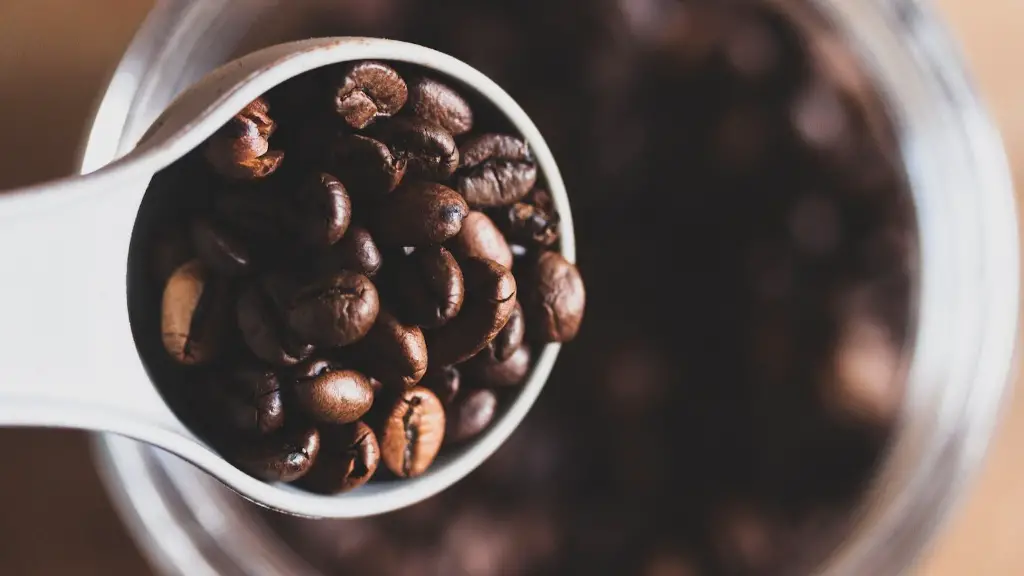
Creating a perfect drop of Vietnamese coffee requires you to follow some important steps, starting with good quality beans. Authentic flavors can be achieved through using dark roasted robusta or arabica beans that are freshly roasted. Be sure to grind them finely, as this is essential for a good extraction with a phin filter. For measuring, use 1/2-1 teaspoon of grounds per cup and if you like, add a teaspoon of sugar beforehand.
Once the perfect amount of coffee has been prepared, the next step is to insert the filter into the brewer. Place the filter on top of your mug, leaving some of the holes uncovered as this allows for a slow drip extraction. Pack the grounds onto the filter and slowly apply pressure. Make sure to tamp, but not too firmly, on the grounds with the scoop.
Now it’s time to brew. Pour hot water slowly onto the grounds. Fill the brewer to the brim. Allow the liquid to drip slowly through the filter and fill the bottom of your mug. Enjoy the beautiful aroma that fills the air as you wait. As the water passes through the filter, the liquid will get darker as the brewing process carries on. Because of its slow and indirect brewing technique, it could take up to 5 minutes for one full mug of coffee to finish.
Once the coffee is brewed, sit back and enjoy your cup of Vietnamese coffee. The coffee should have a dark, rich flavor and a smooth texture. You may also get some crema or a coffee layer at the top of the cup which comes from the slow drip extraction technique. If you like your coffee sweet, add a dollop of sweetened condensed milk to the mug. This mix of coffee and milk is considered to be the original cocktail in Vietnam.
Just like any good coffee, take your time to appreciate and savor every sip of this special Vietnamese coffee. These tips will help you get the most from your brewing experience.
Storage
Properly storing Vietnamese coffee beans is essential to get the perfect cup of coffee. The beans should be stored in an airtight container at a temperature that is not too hot or cold. It is also important to keep the beans in a dark place to protect them from ultraviolet (UV) light.
When storing, it is best to keep your beans away from any source of moisture or humidity. If the beans absorb moisture they can become sour, and if this occurs, they are no longer suitable to be used in a cup of coffee. Therefore, to ensure that your beans are in tip-top condition, keep them in a tightly sealed container and store them in a cool, dark place.
Coffee Grounds
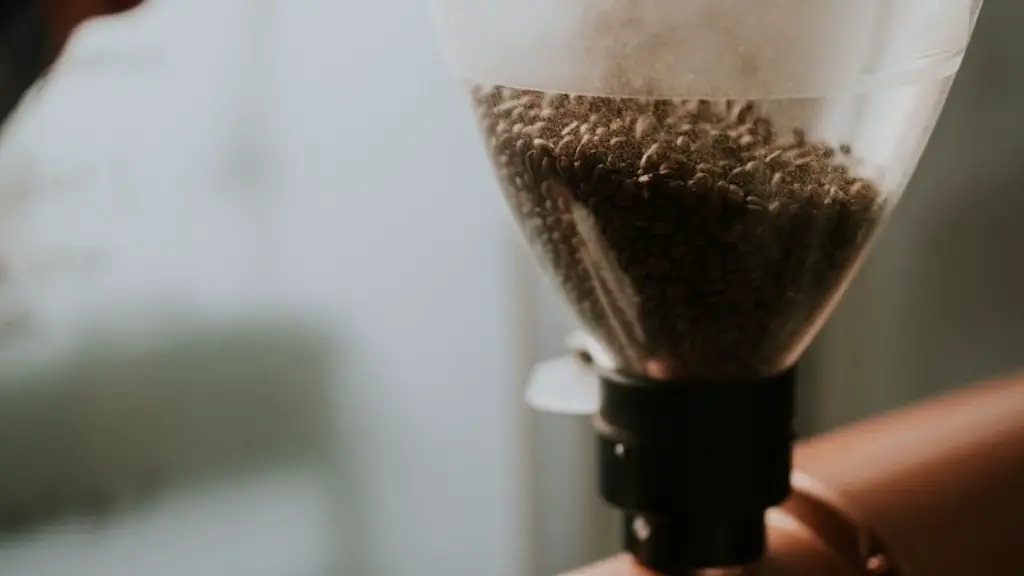
Using the right kind of grounds for brewing is a crucial step for creating the best-tasting cup of Vietnamese coffee. The grounds should be fine and evenly packed for the filter for optimum extraction. The beans should also be freshly ground for best results as this will preserve the flavor and aroma of the coffee.
If you have pre-ground beans, you should use them within three weeks of the grind date. Pre-grounded beans will not produce the same results as freshly ground ones and might lead to an unsatisfactory cup of coffee. Therefore, it is advised to invest in a good quality coffee grinder if you plan to make Vietnamese coffee regularly.
Equipment
Having the right equipment is an important factor in brewing great-tasting Vietnamese coffee. The most important equipment you need is the filter, called a phin. Investing in a good quality phin ensures that it is durable, made with quality materials and sized at a suitable height for different mugs.
It is also worth getting a hot water kettle to fill the filter with the necessary amount of water. This will make it easier to heat the water accurately. The smallest details like this play an important role in brewing the perfect cup of Vietnamese coffee.
Ratio
Getting the ratio of coffee to water is a delicate process as different roasts, grind sizes, and water temperatures all lead to different extractions. As a general rule, a ratio of 1:15 is a good starting point when brewing with a phin filter, meaning 1 gram of coffee to 15 gram of water. This, however, is just a starting point and you should experiment to find your personal preference.
The best way to figure out the right ratio for you is to do a side-by-side comparison of different ratios. Start with a ratio of 1:15 and then make a few more cups with higher and lower ratios. Taste all the cups side by side and see which one you like the most.
Brewing Time
Brewing time is an important factor in getting the perfect Vietnamese coffee. To keep the water hot for the most consistent extraction, a brewing time of between three and five minutes is recommended. If you are using a phin filter, the coffee extraction should be slow and steady. For faster extractions, you can use an electric pourover device.
The amount of time the coffee is brewed affects the flavor and texture of the finished product. If the coffee is over-extracted, it will be bitter and harsh, while if it is under-extracted, it will be sour. Therefore, you should keep an eye on the timer as coffee that has been brewed for too long or too short can ruin the coffee.
Milk
One of the most popular ways to have Vietnamese coffee is with some sweetened condensed milk in it. This mix of bitter and sweet is an acquired taste and must be done carefully. The best-tasting cup will come from adding a spoonful of condense milk when the filter has been mostly emptied of coffee.
Another popular way to have Vietnamese coffee is with fresh milk. This adds a creamier, smoother texture and a more mellow flavor. Even though many cafes in Vietnam serve iced-coffee with freshly brewed coffee and ice-cold milk, you can also enjoy Vietnamese coffee with hot milk and a little sugar if you prefer.
Snacks
Traditionally, Vietnamese coffee is served alongside some snacks like bahn chung (rice-cake rolls) or other small treats. This will add an extra layer of flavor and texture to the perfect cup of coffee. Batches of sweet pastries are often sold at roadside stalls and local cafes, adding to the overall experience.
In fact, some cafes in Vietnam offer a complete experience, with complimentary snacks alongside a pleasant atmosphere to enjoy a cup of coffee. This is a great way to take a break and appreciate the beverage. And if you’re looking for a more meaningful experience, you can even head to a traditional Vietnamese home for a traditional Phin experience with seasonal desserts.
Brewing Temperature
Brewing temperature is the key factor when it comes to brewing a great cup of Vietnamese coffee. The water should be heated to between 195-205°F (90-95°C) for extraction to be at its best. If the water is too hot, it can burn the grounds, resulting in an overly bitter cup of coffee.
It is also worth mentioning that different coffee roasts require different temperatures. Lighter roasts should be brewed at slightly cooler temperatures while darker roasts work better with hotter temperatures.
Types of Brewing
Although Phin is the traditional way to make Vietnamese coffee, it can also be made using different brewing methods. For example, coffee machines like espresso, Aeropress, or even cold brewing can be used to make coffee from Vietnamese beans. However, these methods tend to require different amounts of coffee and can lead to a different flavor than what you would get from a Phin filter.
Using any of these methods, you can enjoy the unique taste and flavor of Vietnamese coffee. However, if you want to experience the traditional way of drinking coffee in Vietnam, using a Phin filter is your best option.
Conclusion
Vietnamese coffee is a unique experience that offers deep, rich flavors and aromas. It’s a great way to enjoy a traditional drink that is steeped in history and culture. Following the tips above, you can get the best out of your brews and truly appreciate the unique flavors that Vietnamese coffee has to offer.
