
Does drinking black coffee break intermittent fasting?
Intermittent fasting (IF) has become a popular diet trend among health-conscious individuals due to its potential weight loss and health benefits. But does drinking black coffee break the fast? Many experts believe that coffee does not break a fast, as long as it’s black.
IF involves strategically selecting times of the day when you can eat and times when you’re fasting. During the fasting periods, you can consume only non-caloric beverages such as water, coffee, and herbal teas. This means that calories are not consumed during the fasting period, and therefore not breaking the fast.

Caffeinated drinks like black coffee can have several positive health benefits and can provide a functional aid to those who are following an IF diet. Not only is coffee hydrating, but it can also provide a source of polyphenols and antioxidants, which can help to boost the immune system, protect against cognitive decline and reduce the risk of some cancers.
Dr. Stephanie Estima, an online health coach and author, states, “Black coffee, unsweetened, is a perfectly acceptable fluid to enjoy during a fasting period; it will not break your fast and you will not be compromising the efficacy of your fast by consuming it.”
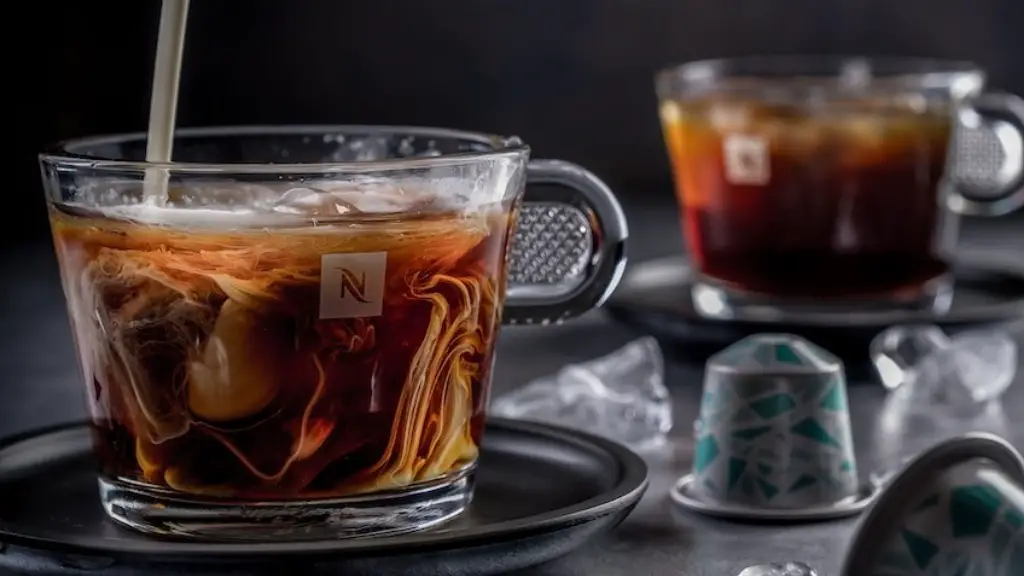
Given the choice, it’s best to go for black coffee over coffee with cream, milk or flavored syrup added. Although both can keep you hydrated, coffee drinks with added additives can add extra calories and potentially throw you off your goal of creating a calorie deficit throughout your fasting period. This is especially worrisome on days when you’re more calorie-depleted since the added calories will be less likely to be burned off.
So, while coffee can help to keep you hydrated and energized while you fast, it is important to remember that adding extra calories in the form of syrups and cream can offer a quick burst of energy but may end up sabotaging your fasting goals in the long run.
Effect on Blood Glucose and Blood Pressure

One of the main benefits of following an IF diet is decreased blood glucose levels, which are associated with better metabolic health and weight loss. Research has indicated that coffee consumption can cause a minor increase in blood glucose levels and may disrupt the body’s ability to regulate its blood sugar.
A small study conducted in 2005 showed that four cups of coffee consumed per day can lead to a small rise in fasting blood glucose levels, which could lead to an increased risk of diabetes and other health issues. This suggests that coffee consumption can affect the effectiveness of an IF diet if consumed in large amounts.
Coffee consumption may also have an effect on blood pressure. A 2011 study examined the effects of caffeine on blood pressure in individuals who consumed high amounts of caffeine (more than 400 mg per day). The study found that there was a small increase in systolic and diastolic blood pressure, suggesting that high doses of caffeine should be avoided if you are following an IF diet.
Although research suggests that coffee may have a small impact on blood glucose levels and blood pressure, the effects are minor and drinking coffee in moderation should not be a problem.
Other Considerations
When consuming coffee during an IF diet, it is important to remember to stay hydrated. Because caffeine is a diuretic, it can cause dehydration if consumed in large amounts. So, as with any dietary choice, try to keep your intake to a minimum to reduce the chances of side effects.
If you find that you feel less energized or fatigued during your IF diet, then it may be worth considering a more balanced approach. Taking breaks from your diet as necessary can help to restore energy and reduce the risk of feeling overly fatigued or drained during your fasting periods.
As with any dietary change, it is important to talk to a health professional before making any major decisions. Your health must always come first, and your diet should be tailored to your individual needs.
Extra Calories and Coffee Taste
Intermittent fasting can be an effective way to lose weight, but one potential issue is consuming extra calories from added ingredients. When drinking coffee with added fats or sweeteners, these can add up quickly and can easily throw off your calorie goals. For this reason, it is best to stick to unflavored, black coffee.

If you do not care for the taste of black coffee, but still want to reap the benefits of it, there are several low-calorie flavor options. Low-calorie flavoring options like sugar-free syrups and almond milk can help to make black coffee more palatable while still helping to keep you within your calorie goals. Additionally, there are now many low-calorie drinks, such as lattes and cappuccinos, that you can enjoy while following an IF diet.
It is important to keep in mind that, even if you choose to add low-calorie flavorings, try to remember to keep your calorie intake in check. Too many calories can ruin any dietary plan, so it is important to be mindful of your total daily calorie intake.
Coffee Alternatives
Coffee is not the only option available to those who are fasting. There are a variety of healthy beverages that can help to keep you hydrated and energized during a fast and can even provide some additional health benefits. Lemon water, coconut water, teas, and herbal oat milk are all great options to consider.
The idea behind an IF diet is to create a calorie deficit and to enable the body to use stored fat and energy while metabolizing nutrients efficiently. Keeping an eye on what you drink during your fasting period can help to maximize the effectiveness of your diet by avoiding extra calories and making sure that you stay adequately hydrated throughout the day.

Additionally, think about what type of drinks will help you to stay productive and energetic while fasting. Consider focusing on drinks that are nutrient-rich, such as green tea and kombucha, as sources of hydration and energy, as these can help to reduce feelings of fatigue.
Intermittent Fasting Benefits
Following an IF diet can be an effective way to lose weight and improve your overall health. Although it is important to remember to watch your caffeine intake, black coffee can be a great way to stay energized without having to worry about breaking your fast or compromising your calorie goals.
When it comes to IF, the key is to choose the dietary approach that works best for your lifestyle. Ultimately, it is best to talk to a health professional and to make sure that any dietary approach is tailored to your individual needs and goals.
As long as you are mindful of what and how much you drink, coffee can be an excellent choice for those following an IF diet. But always remember to check with your doctor before starting any new diet plan.
