
Can You Still Drink Coffee While Pregnant
If you’re a coffee lover who loves your daily dose of caffeine, you might be wondering if it’s safe to drink coffee while you’re pregnant. Well, after consulting with some experts, we’re here to let you in on the scoop.
According to recent studies, it looks like you can drink coffee while pregnant – as long as you limit yourself to one or two cups each day. It’s important to remember, however, that caffeine can be dangerous in larger doses, so it is advised that pregnant women exercise restraint when it comes to their coffee intake.
Caffeine can pass through your bloodstream and into the baby’s body. It has been linked to increases in the baby’s heart rate, as well as a decrease in oxygen levels. It can also lead to lower birth weight and even miscarriages. What’s more, consuming too much caffeine during pregnancy may also increase the risk of your baby developing conditions like heart problems or behavioral issues.
Effects On The Newborn Baby
If you drank coffee while pregnant, the good news is that most studies show that the effects will not follow the baby through to post-natal life. However, more research is needed to confirm this definitively.
What About Decaf?
As for decaffeinated coffee, some experts suggest it as an alternative for pregnant women, since it does not contain caffeinated. However, if you do opt for decaf, it’s important to be aware of the fact that it contains trace amounts of caffeine, as well as chemicals like formaldehyde.
In Conclusion

It is possible to drink coffee while pregnant, as long as you limit your intake to one or two cups a day. However, it is important to be aware of the potential risks to the baby, as well as the possible consequences of consuming too much caffeine.
Herbal Coffee Alternatives
If you worry about exposing your baby to caffeine while pregnant, you might want to consider switching to herbal coffee substitutes. These contain no caffeine, but they still allow you to indulge in the ritual of enjoying a hot cup of coffee.
Some of the most popular herbal coffee alternatives include chicory root, dandelion root, and carob. These have all been shown to have powerful health benefits in their own right. For example, chicory root is known for its anti-inflammatory and anti-oxidant properties and is believed to be beneficial for pregnant women.
Is Caffeine Bad For Pregnant Women?
Caffeine is not necessarily “bad” for pregnant women. As long as you’re consuming it in moderation, there’s no reason to worry too much. However, it’s important to be aware of the potential risks, such as lower birth weight and miscarriages, and to be mindful of your habits.
Herbal Tea Alternatives
Herbal teas are another excellent alternative to coffee while pregnant. They’re high in antioxidants and full of flavor, and many of them can be found at your local grocery store.
Some of the most popular choices include chamomile, peppermint, and ginger. These are great for soothing an upset stomach and providing some much-needed rest and relaxation during your pregnancy.
Timing And Amount
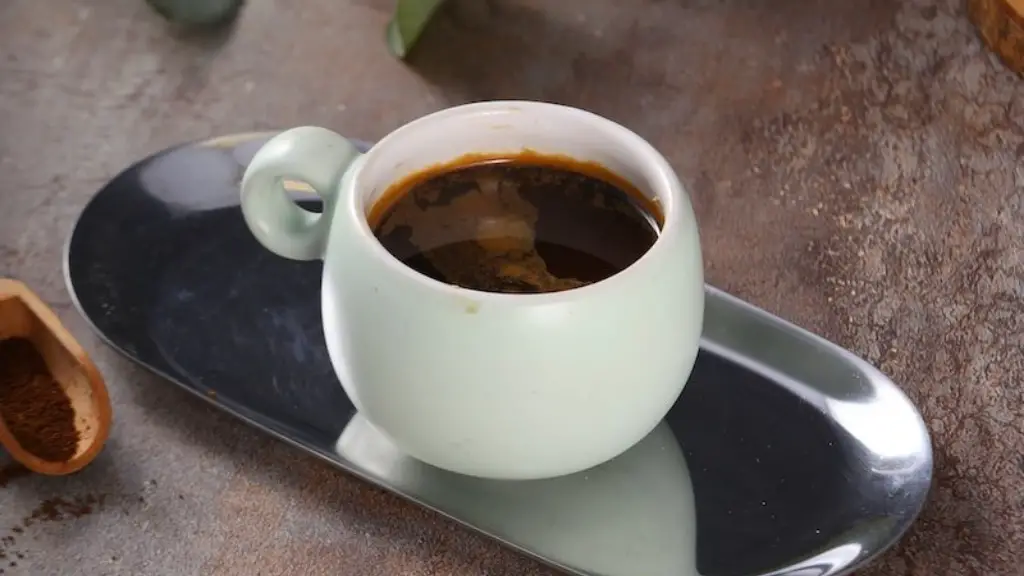
The timing and amount of caffeine you consume can also make a big difference. If you’re going to drink coffee, be sure to do it in the morning, and don’t overdo it.
It’s also important to note that research has shown that excessive caffeine consumption can lead to insomnia and high blood pressure, both of which can be harmful during pregnancy.
Alternatives To Consider
If you’re not a fan of coffee or herbal teas and you really want to get your caffeine fix, then you might want to consider switching to decaffeinated soda instead. This still contains caffeine, but it’s in smaller amounts.
You could also try adding an ice cream or smoothie to your beverage. Both contain natural sources of caffeine, which is much gentler on your body than the synthetic caffeine found in coffee and soda.
Educate Yourself
Finally, if you’re still worried about drinking coffee while pregnant, it’s important to educate yourself about the potential risks and benefits of caffeine during pregnancy. Talk to your doctor or midwife for more detailed advice, and pay attention to labels when purchasing caffeinated beverages.
Making sure you’re informed and staying up to date with research is the best way to make sure you’re doing what’s best for your baby. And remember, it’s always better to be safe than sorry.
