
To many people, caffeine can make all the difference in their day-to-day energy levels. For those looking to lose weight, however, might avoiding coffee be a wise choice? In this article, we’ll explore the potential benefits and risks of not drinking coffee and analyze the impact it might have on your weight.
When it comes to caffeine, coffee is a prime source. A single cup of coffee contains 64-272mg of caffeine, depending on the brewing strength and methods of extraction. Caffeine is a stimulant and is known for its effects on alertness, concentration and physical performance. It can also prompt the body to release fat from cells for use as energy. For many people, coffee can be a powerful tool for optimizing their daily energy levels; however, it can also have some potential negative side effects such as jitteriness and insomnia.
Though coffee can be an excellent source of caffeine, it’s important to consider its impact on weight, especially if you’re trying to lose weight. A review of nearly two dozen studies showed that coffee can increase metabolic rate. In fact, it was found that when participants consumed coffee regularly, their fat burning levels increased by as much as 10%. However, since coffee also packs a lot of calories, its effects on weight loss might not be so clear cut.
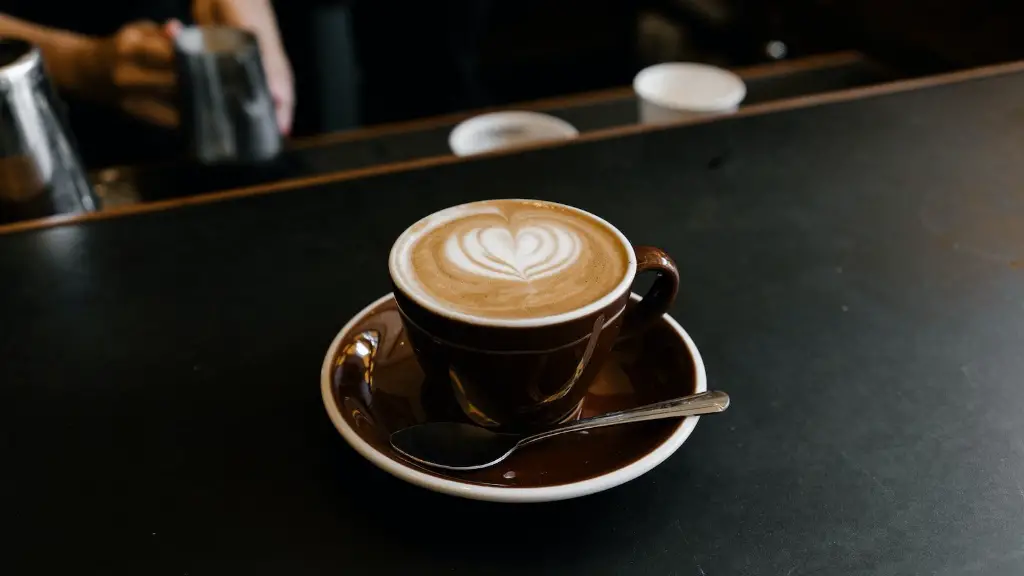
Not drinking coffee could help with weight loss in a few ways. First, without regular caffeine consumption, the body will be less tolerant to the effects of caffeine which can help reduce cravings for high calorie snacks. Second, eliminating coffee from the diet eliminates the added calories associated with coffee drinks like lattes and mochas. Finally, drinking coffee has a diuretic effect which can lead to dehydration and may work against weight loss efforts.
Of course, there can be potential downsides to not drinking coffee. Caffeine helps boost mental and physical performance which can be beneficial for exercise and overall well-being. Quitting coffee may also disrupt sleep patterns and make it harder to stay focused and energized throughout the day. Moreover, the increased risk of dehydration may affect the body’s ability to regulate temperature properly, leading to fatigue.
Overall, not drinking coffee can be beneficial if your prime goal is weight loss. Avoiding regular consumption of coffee can help reduce the risk of dehydration while eliminating excess calories from sugary drinks. However, the effects of quitting coffee will depend on the individual and the diet in general. It’s important that regardless of whether or not you consume coffee, diet and exercise should be the main concern.
How Different Types of Coffee Impact Weight Loss
There are several types of coffee beverages that can provide various levels of caffeine consumption as well as calories. For instance, a Black Coffee contains very minimal calories and small amounts of caffeine. On the other hand, a Latte can contain two times more calories and more than double the caffeine content. Additionally, flavored coffee drinks will usually contain significantly more sugars and other additives, thus increasing the overall calorie content. Therefore, if you’re looking to cut back on calories while still benefiting from the alertness and other mental benefits of caffeine, black coffee might be the ideal choice.
What Are the Health Benefits of Coffee?

There are also potential health benefits to drinking coffee. Recent studies suggest that regular caffeine consumption can reduce the risk of developing type 2 diabetes, heart disease, some forms of cancer, liver cirrhosis and even depression. Furthermore, coffee can also help boost mental alertness, improve short-term memory, enhance reaction time, and reduce fatigue. While the effects of caffeine can vary from person to person, regular coffee drinkers have reported increased levels of concentration and alertness.
How to Make the Most of Coffee for Weight Loss
If you’re looking to make coffee part of your weight loss journey, there are a few things you should consider. Firstly, use black coffee instead of sugary coffee drinks that are often high in calories. Next, consider adding healthy fats to your coffee; this will not only add flavour but can also provide essential nutrients that the body needs. Additionally, try drinking coffee in moderation. Caffeine has a diuretic effect which can lead to dehydration. So, if you’re concerned about your caffeine intake, the best approach would be to drink only one cup of black coffee per day.
How to Make Coffee a Healthy Part of Your Diet
Though coffee can be a great way to get a quick pick-me-up, it’s important to consider the impact it may have on weight loss. However, with a few adjustments, coffee can be an essential component of a healthy diet. Keeping things in moderation and selecting healthier coffee alternatives such as black coffee can help ensure that you’re receiving the right amount of caffeine without all the extra calories.
What Are the Alternatives to Coffee for Weight Loss?
If you are looking for an alternative to coffee for weight loss, there are a few other options you may want to consider. Teas such as green and white teas can provide some benefits, as the caffeine content is lower compared to coffee. Additionally, green teas are rich in powerful antioxidants which can help boost the body’s natural defense systems. For those looking for a complete caffeine detox, herbal, rooibos and fruit teas can provide nutritious and delicious alternatives.
What Are the Potential Risks Associated with Not Drinking Coffee?

Quitting coffee or decreasing caffeine intake can have its drawbacks. As mentioned earlier, coffee has diuretic properties which can lead to dehydration. Moreover, regular caffeine consumption could be beneficial in terms of alertness and physical performance, thus reducing its consumption or eliminating it altogether could have a negative impact on your energy levels. Additionally, quitting coffee might also disrupt regular sleep cycles, as caffeine can affect sleep quality.
