
General Considerations
Coffee is one of the most popular drinks in the world, but what about pregnant women and their cup of Joe? The debate is quite complex, because on the one hand it may have a beneficial impact on your health but on the other it could present some potential risks. Nonetheless, let’s take a look at some of the latest information surrounding pregnant women and coffee.
Should Pregnant Women Drink Coffee?
The answer to this is more nuanced than a simple yes or no. According to most medical professionals, pregnant women should indulge in one cup of coffee per day, mainly to help with the fatigue that can come during those nine months, however, the amount of caffeine should be kept to a minimum.
An average cup of coffee has close to 95mg of caffeine, which may be too much for an expecting mom, so experts suggest of limiting it to 50mg. Additionally, pregnant women are advised to avoid energy drinks and fully ignite caffeinated beverages that contain additional ingredients, as these may cause affects to the pregnant woman.
Benefits of Drinking Coffee During Pregnancy
Recent medical research has found that minimizing the intake of coffee is the best approach during pregnancy, however, when consumed in moderate amounts and according to professional advice, some the potential benefits of coffee include:
- Enhancing the effects of painkillers.
- Boosting an expecting mother’s energy levels.
- Improving mental clarity and focus.
- Reducing the risk of some types of cancers.
Potential Risks of Coffee During Pregnancy
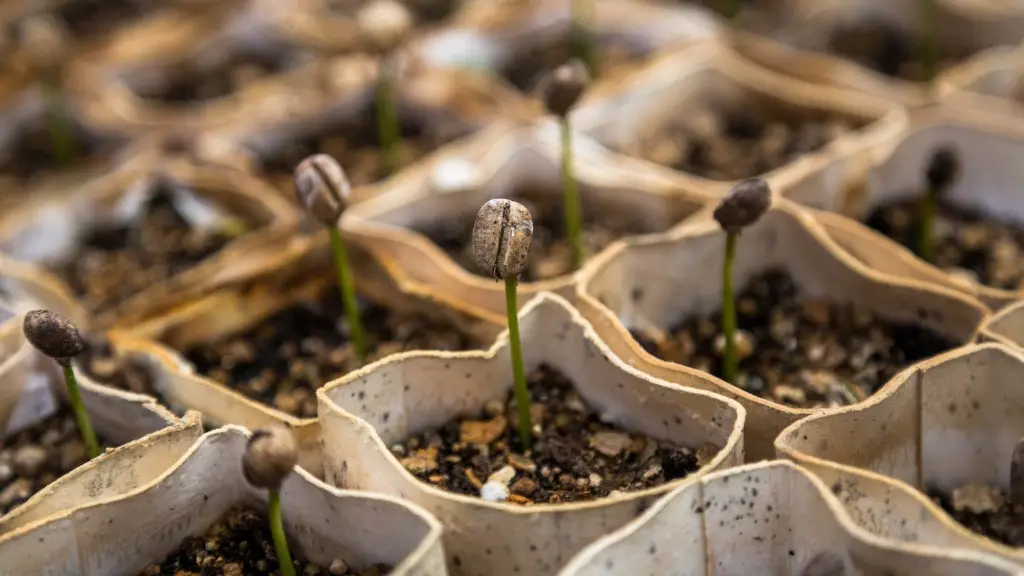
The most common risk associated with coffee is the caffeine levels, as there is a potential for pregnant women to develop insomnia, palpitations and other issues caused by coffee’s stimulating effect.
At the same time, coffee consumption is associated with low birth weight, increased risks for low fertility and miscarriage. Health professionals suggest that by limiting the intake of coffee to 50mg per day, these risks can be kept to a minimum.
Approaches to Coffee Intake
Some expecting moms opt for decaffeinated coffee, as this can ensure that they stick to the advised level of caffeine intake during those nine months, however, keep in mind that going straight cold-turkey on caffeine may cause health issues as well.
It’s best to gradually reduce your individual caffeine intake by trying not to exceed 250mg of caffeine per day, as this can help you to stay energized and also keep expecting moms at relatively low levels of caffeine intake.
Coffee Alternatives
If you want to stay away from coffee, there are numerous alternatives you can try, such as decaffeinated green tea and even mate. Although these do posses a certain amount of caffeine, it has been proven that levels are much lower compared to that of regular coffee.
These alternatives can also provide some health benefits, as green tea and mate are both high in antioxidants which are believed to reduce risks of infections during pregnancy. At the same time, these two drinks offer plenty of vitamins as well as iron, which can be quite beneficial for expecting mothers.
Effects on the Unborn Baby
Most medical experts suggest that the amount of caffeine intake is a crucial factor when it comes to the health of both the mother and the unborn baby. Research has suggested that high amounts of caffeine can play a role in reduced birth weight and even increase risks of stillbirth, thus the need to keep it to a minimum.
However, the amount of caffeine that passes from the mother to the baby is normally quite low, so if you stick to the recommended levels, these risks can be kept to a minimum.
Introducing Coffee to Children
Coffee has become a part of our lives and introducing it to children and teenagers is very common, however, when it comes to babies and young kids, it’s best to avoid it as much as you can.
Essentially, it’s best to allow babies grow and develop in an environment free of caffeine, so they can find the best sources of nutrients and minerals in order to ensure the adequate development of their bodies.
Genetics and the Risk of Caffeine
Some medical research has suggested that the risk of caffeine isn’t the same for all expecting moms and it can depend on your body’s genetics. In other words, if your family has a history of healthy pregnancies and young kids, you can indulge in a single cup of coffee per day as long as it is responsibly consumed.
On the other hand, if there has been any issues with pregnancies or with kids’ birth-weights in your family, then it’s better to consult a medical professional before continuing with any kind of caffeine consumption.
Organic Vs Non-Organic
Organic coffee can be a great choice for pregnant women since it is free of pesticides and other chemical contaminants. However, organic coffee can still have level of caffeine similar to non-organic coffee. The great thing is that organic coffee usually contains less chemical additives which often can increase the amount of caffeine contained in a cup of coffee.
Non-organic coffee contains an array of pesticides and is usually highly processed which means it has an increased amount of caffeine. On the other hand, non-organic coffee is often cheaper and easier to access. In fact, most pregnant women will buy non-organic coffee and it can pose a potential risk to their health if they don’t limit their intake accordingly.
Herbal Coffee Alternatives
Herbal coffee has quickly become popular because it gives pregnant women the opportunity to still indulge in a coffee-like experience without any of the risks associated with regular coffee.
Additionally, herbal coffee is a great way to keep that energized feeling without the caffeine content of regular coffee. Popular choices include chicory, dandelion and roasted barley to name a few. All of these options are believed to provide some health benefits to expecting moms, such as increasing their moods, boosting their energy and providing important minerals such as calcium and iron.
Final Considerations

It’s important to keep in mind that everyone is different and it’s good to know your individual genetic history and what suits you best. It’s always advised to visit your doctor or another medical professional and get information on what’s right for you and your baby.
When it comes to coffee and other drinks, the amount of caffeine should be kept to a minimum or even try decaffeinated versions and take advantage of the potential benefits they come with. And finally, you could opt for herbal coffee and other such drinks which are deemed as excellent alternatives for pregnant women.
