
Coffee is among the world’s most popular beverages, with an average of 2.25 billion cups consumed each day worldwide. Within the last few decades, it has taken on a life of its own. In particular, many have questioned whether regularly drinking coffee serves as a useful catalyst in the fight to lose weight. Recent studies have shown that enriching one’s diet with coffee can indeed have beneficial effects.
When broken down, the answer to this question is that coffee itself will not cause anyone to lose significant weight. It is up to the individual to decide how to change their lifestyle by either adding physical activity, or by altering their diet in order for them to drop a few pounds. It has been reported that regular coffee drinkers are more likely to make healthier lifestyle choices, leading them to eat a more balanced diet and to stay physically active.
Dr. Kingsley, a nutrition specialist and professor at College of the North Atlantic, explains, “Coffee contains many antioxidants and anti-inflammatory substances that can help suppress fat deposition. Coffee also boosts metabolic rate, allowing the body to burn fat more quickly, and can help reduce cravings, thus helping to reduce calorie intake.” Dr. Kingsley believes that drinking coffee is a key part of weight loss because of its ability to stimulate, wake up and speed up the metabolism.
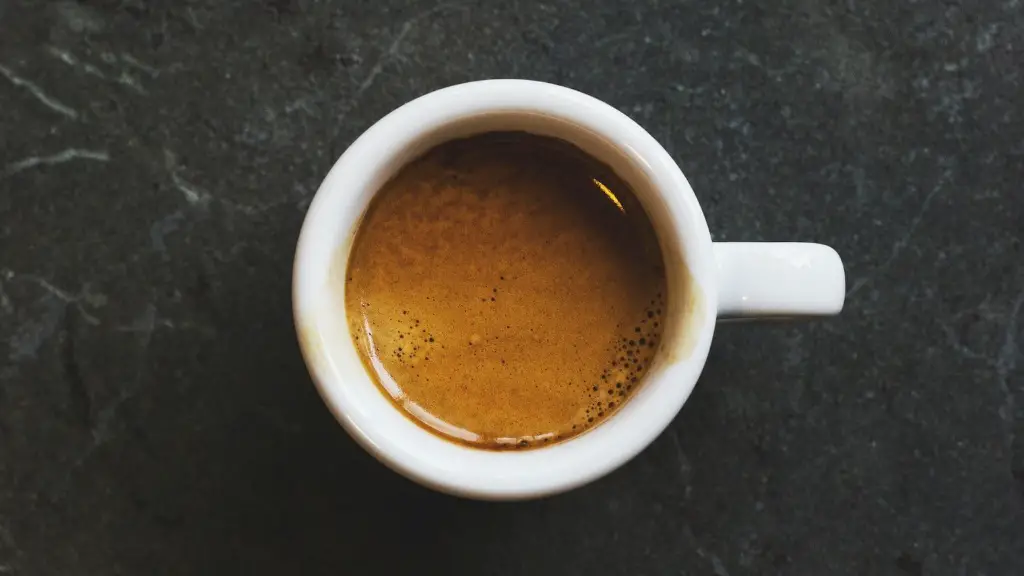
Research has shown that coffee and caffeine can increase the release of hormones such as adrenaline and noradrenaline which stimulate the body to break down fats, while also lowering the levels of ghrelin and leptin, hormones that stimulate appetite. Coffee is calorie free and low in fat when made with no added sugars or creams. So, why not add it to your diet and reap the rewards?
Although consuming coffee does have its benefits, it is important to note that some people may seek out coffee and other forms of caffeine in an effort to suppress hunger and suppress their natural cravings for food. But, this type of behaviour can actually cause an individual to over eat, thus eliminating any potential benefits one could have gained from the coffee.
Coffee Addiction
Although drinking coffee can provide physical and mental health benefits, too much of a good thing can lead to addiction. It is possible to become dependent on the caffeine in coffee, leading to a host of health issues such as insomnia, headaches, high blood pressure, and anxiety. It is important to be aware of one’s limits and to not overdo it.
Dr. Kingsley reiterates this sentiment, stating, “It’s important for people to monitor how much caffeine they take in, as there can be serious repercussions from consuming too much. But, if you’re mindful, and find the right balance, coffee is a great way to give your body the kick start it needs.”

All in all, it is important to note that although coffee can provide countless benefits, these benefits can only be enjoyed when coffee is consumed in moderation. If coffee is abused, it can lead to serious health issues, and even addiction.
Myths of Coffee and Weight Loss
Coffee has been surrounded by a range of myths and rumours in regards to its relationship with weight loss. The truth is that many of these misconceptions are quite far from reality, and can even be harmful to an individual’s health.
One such myth proclaims that coffee is a “magical weight loss elixir”; however, this is simply not the case. While coffee can help to improve metabolism and make the body more efficient, its effects are not a “cure-all”. If a person consumes excessive amounts of caffeine from coffee in the hopes of rapid weight loss, they will likely find themselves disappointed.
Another myth is that coffee has a tendency to dehydrate the body. This is also untrue. In fact, for every cup of coffee consumed, the body will respond by excreting the same amount of liquid, leaving the body’s hydration levels unaffected. As long as an individual is mindful of their liquid consumption and is proactive with their hydration, they should be safe from dehydration caused by overenthusiastic coffee consumption.

These myths and misconceptions can often lead to unhealthy behaviours, false expectations, and ultimately damage the potential benefits of coffee. Of course, exercising is an integral part of any weight loss journey, so if an individual is looking to reach that goal, then there is no “magical elixir” that can replace physical activity.
Coffee Alternatives
If an individual is looking to reduce their consumption of coffee, there are various options available. Herbal teas, like green and chamomile, are some of the most popular alternatives. The main difference between the two drinks is the lack of caffeine in herbal teas. As caffeine is a psychoactive stimulant, quitting coffee can be a big decision and will likely have an impact on energy levels. By trading out coffee for herbal teas, an individual can still reap some of the same benefits, including antioxidants, as well as improved metabolic rate.
For an even more substantial alternative, an individual can opt for a matcha latte. Matcha is a green tea made from pulverized green tea leaves. While it contains caffeine, it also contains l-theanine, which can help to reduce stress and improve focus, all without the crash that accompanies coffee, which is great for morning routine and productivity.
These alternative beverages provide a great way for an individual to reduce their coffee intake without having to sacrifice the indulgence that comes with drinking it, while also providing other health benefits.
Health Benefits of Coffee

Despite the undeniable addiction it can cause, coffee has been known to provide numerous health benefits. On top of its ability to boost metabolism and reduce appetite, coffee also helps to combat depression, fatigue and mental acuity.
Dr. Kingsley elaborates, “It’s important to remember that the benefits of coffee go beyond weight loss. Not only can coffee help improve focus and increase energy, research has also found that it has protective effects on the brain, possibly reducing the risks associated with neurological diseases like Alzheimer’s and Parkinson’s.”
At the end of the day, it is important to recognize that drinking coffee is not a magic weight loss bullet, and even with its great potential for providing other health benefits, it is important that coffee is consumed in moderation.
Coffee Quality and Origin
When looking for coffee, the origin, quality and the method of production are all important considerations. Different coffee beans from different locations often have varying tastes and aromas. Finding the right coffee can be a great way to enjoy the flavour of the beverage while still enjoying the metabolic benefits it provides.

The method by which coffee is processed can also have an effect on taste, as well as the presence of antioxidants. On top of this, different sources can produce beans that have widely varying levels of acidity.
When deciding which coffee to purchase, it is important to keep everything mentioned in the previous paragraph in mind. Doing the necessary research, keeping track of one’s own preferences, and ensuring that the coffee you choose is of a high quality and ethically produced is key.
And, when it comes to caffeine, there are plenty of decaffeinated options out there, making it an ideal choice for those who may be looking to avoid the caffeine’s psychoactive effects, but want to still enjoy a good cup of coffee.
Coffee Culture and a New Lifestyle
The ever-changing role of coffee in our lives has opened the door for a new lifestyle for those passionate about their coffee. Whether it’s going to one of the many local cafes, or roasting and grinding one’s own beans at home, there are plenty of ways to enjoy a cup of coffee while still benefiting from its various health benefits.
At its core, the culture surrounding coffee explores and celebrates the nuances of beverages. This creates an entirely new world of appreciation, interaction, and culture. From the various brewing methods, the nuances of flavour and aroma, and even the global impact of coffee, choosing to explore and appreciate coffee can open up a world of exploration and knowledge that can ultimately be shared with those around you.
Of course, with this newfound appreciation for coffee, it also comes with an even deeper understanding of the industry, and more mindful consumption. This means that one can ensure that the coffee they consume is ethically sourced, produced, and traded, thus supporting the farmers and ensuring that the environment is being taken care of as well.
Re-framing Coffee Drinking
Coffee can be seen as a part of one’s dietary habits, as well as an opportunity to become more mindful and conscious of one’s individual consumption. This means that those who are using coffee for physical health benefits, such as for weight loss, must take into account the numerous factors associated with its consumption. From the quality of the coffee, to the associated health benefits, to the method of production, all of these things must be taken into consideration before starting one’s journey.
It is important to remember that proper dieting and exercise habits still remain the number one way to improve one’s overall health. Coffee does not offer a quick fix, and should not be over consumed. Approach it with moderation, and use it to simply supplement a healthy lifestyle. This way, individuals can enjoy all of the potential benefits that coffee has to offer.
