
How Much of the World Drinks Coffee?
Coffee is one of the world’s most popular beverages. It’s estimated that around two billion cups of coffee are consumed every day, making it one of the most drank drinks in the world. Surprisingly, almost half of the world’s population drinks coffee – over three billion people – making it a global phenomenon.
The interesting thing about coffee consumption is that the amount of coffee consumed varies greatly from country to country. In some countries, coffee is a popular beverage, such as in Finland, where nearly 85% of people drink coffee every day. In other countries, coffee consumption isn’t as common, such as in Japan, where only 20% of people drink coffee.
It is also important to consider the cultural and economic influences on coffee consumption. Coffee production, harvesting and marketing are highly regulated in certain countries, resulting in higher coffee consumption overall. In Europe, coffee consumption often reflects the availability of coffee, as well as its social acceptance and relevance. For example, in Italy, coffee consumption is seen as being an integral part of Italian culture and is ingrained in Italian social activity.
In terms of health implications, the experts are unable to come to a consensus. Some studies suggest that consuming too much coffee can cause problems such as palpitations, anxiety and insomnia. Other studies, however, suggest that this is only true when large amounts of coffee are consumed in one sitting and that moderate consumption of coffee can offer some health benefits.
The global coffee market is estimated to be worth around $100 billion USD and is growing steadily. This growth can be attributed to the growing demand for premium coffees, specialty coffee beverages and enterprise-level coffee machines. Coffee companies have also moved into the takeaway coffee market, where customers can buy coffee to go, and have begun to offer various flavours and types of coffee, as well as sophisticated coffee machines and brewing methods.
Social Implications
Coffee consumption is seen as a concrete sign of social status. In some societies, higher-end coffee beverages are seen as a coveted luxury item, and coffee consumption is a status symbol within those societies. In some countries coffee consumption is a sign of sophistication and education.
Moreover, coffee consumption is increasing as a result of the growing importance of meeting in public spaces. Coffee shops are becoming increasingly popular as meeting spots, both for social gatherings and meetings. It has even been suggested that the rise of coffee shops has led to increased coffee consumption.
Environmental Impact
The production and sale of coffee has a significant impact on the environment. Coffee production requires a lot of energy, water and resources and is the cause of deforestation in certain parts of the world. Furthermore, it has been suggested that the production of coffee may be contributing to global warming due to its significant contribution to carbon emissions.
Effects on the Global Economy
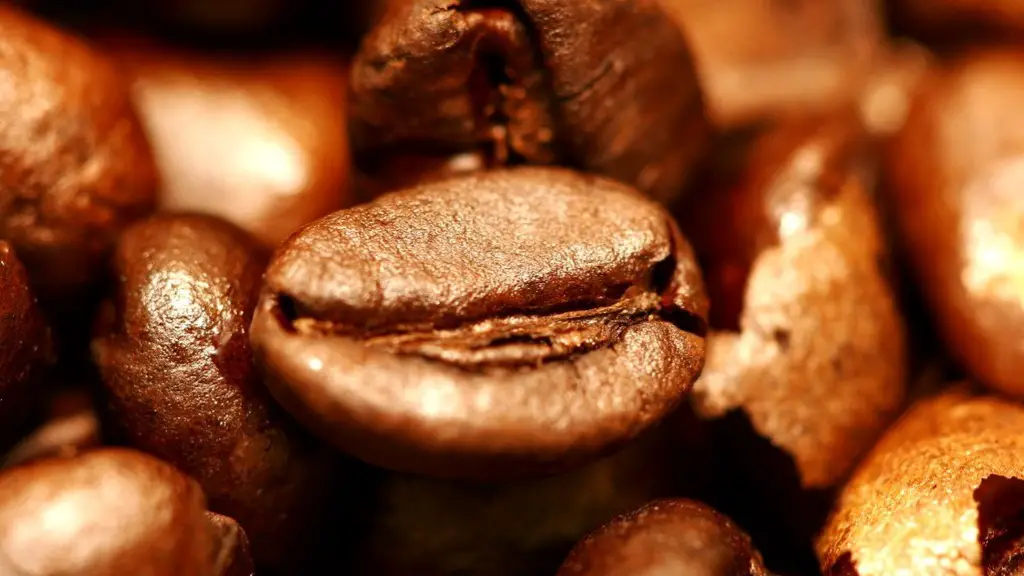
Coffee is also a major contributor to the global economy. According to some estimates, the global coffee market is worth upwards of $100 billion USD and is growing steadily. Coffee production is a major source of employment for people all over the world and is the single biggest employer in some countries.
Future Implications for Coffee Consumption
Experts predict that the global coffee market will continue to grow in the coming years, driven largely by the increasing demand for premium and specialty coffees. They also predict that the increasing demand for convenience and conscious consumerism will drive the growth of the takeaway coffee market, as well as the sale of enterprise-level coffee equipment.
Finally, experts also predict that the growth of the coffee market will be driven by the growing demand for new flavours, types and brewing methods. Innovations such as pour-over coffee and cold brew have become increasingly popular, as have ethically-sourced and organic coffees.
Effects on Public Health
Public health experts suggest that people should moderate their coffee consumption and follow safe drinking guidelines. It is recommended that adults should limit their caffeine intake to no more than 400 milligrams per day, while the caffeine content of some of the new and popular coffee beverages can be significantly higher than this.
Experts also suggest that people should be aware of how much sugar is contained in some of the new and popular coffees, as some of them can contain significant amounts of sugar. People should also be cognizant of any allergies or sensitivities they may have to coffee, or any of the additives contained in some coffee products.
Environmental Impacts of Coffee Production
The production and sale of coffee can have a large impact on the environment. Coffee grows in tropical climates, and the production and processing of coffee can have a significant environmental impact. The production and harvesting of coffee is often accompanied by large-scale deforestation and the destruction of sensitive ecosystems.
Furthermore, the use of chemical fertilizers and pesticides in the production of coffee can have a detrimental effect on the environment. Moreover, the transport of coffee from the farms to the point of sale can add to the environmental toll of coffee production.
Coffee Processing and Labor Rights

It is also important to consider the impact of coffee production and processing on labor rights. The use of forced and child labor in the production of coffee has been reported in some countries, and it is important to remain cognizant of this issue.
Furthermore, some coffee farmers are paid below minimum wage and are not provided with the necessary resources or benefits to live and work safely. Moreover, some of the machinery used to process coffee is dangerous, and some workers are not provided with the necessary safety equipment to operate the machinery.
In conclusion, coffee is one of the most popular beverages in the world and its consumption varies greatly from country to country. It has a significant impact on the global economy and its production and processing can have detrimental effects on the environment. Consumers should approach coffee consumption responsibly, and ensure that the coffee they drink is produced and processed in sustainable and ethical ways.
