
Background Information
For women who are pregnant, there are a lot of decisions to make regarding their diet and nutrition. One of the biggest issues that more and more pregnant women are taking into consideration is how much coffee they should drink, if at all. It is commonly known that caffeine is not good for pregnant women – even though it is not an absolute no – but there are still a lot of unanswered questions about the exact limits that should be adhered to in order to protect the health of both the mother and the baby.
Caffeine is found in a variety of coffee drinks and other beverages, such as tea, soda and energy drinks. It is also found, often in lesser amounts, in some food products, including chocolate and certain over-the-counter medicines. It is important to be aware of the sources of caffeine in order to avoid it, or at least limit it as much as possible.
Expert Perspective
It is recommended by most healthcare professionals that pregnant women should avoid consuming caffeine in excess. Different experts have different views on the exact suggested quantity, but most conclude that it is best to limit the intake of caffeine to less than 200 milligrams per day. This would be equivalent to around one or two cups of coffee a day.
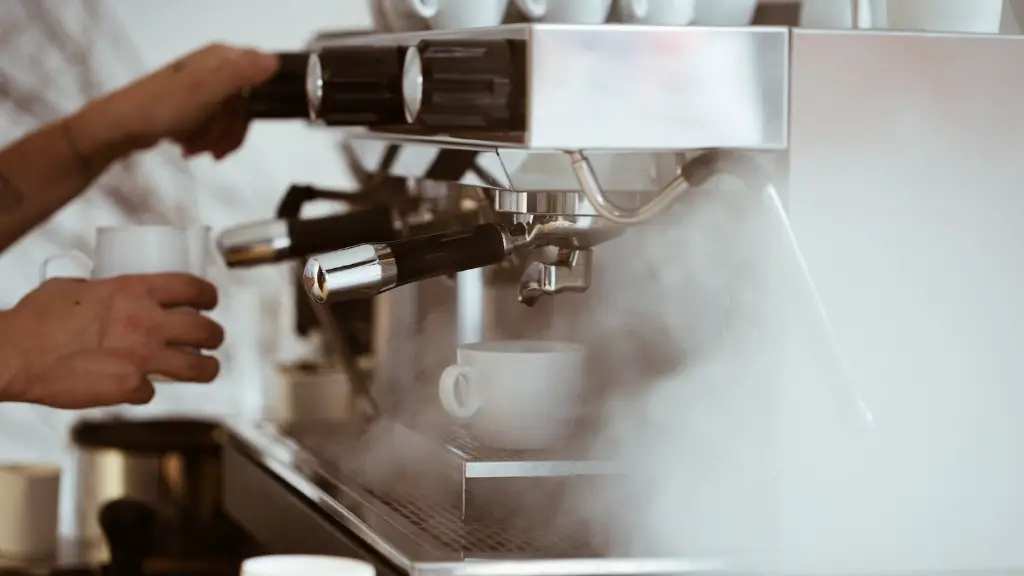
Some healthcare professionals are of the opinion that pregnant women should stay away from caffeine entirely, as even small amounts of it may still be damaging to the unborn baby. There is also concern about how caffeine can affect the growth and development of the baby, as well as increase the risk for some birth defects.
It is important to note that the level of caffeine consumed can affect the pregnancy in many different ways, depending on how well the pregnant woman processes the caffeine. Therefore, it is essential for the woman to be aware of her own sensitivity level to caffeine and adjust her intake accordingly.
Possible Effects
In addition to being potentially damaging to the unborn baby, there are other effects that excessive caffeine consumption can have on pregnant women. These may include increased heart rate, increased blood pressure, as well as difficulty sleeping and calming down. Caffeine is also known to increase the risk of miscarriage, preterm labor and low birth weight.
Furthermore, caffeine can also reduce the absorption of iron and other essential nutrients, leading to a deficiency in those areas, which is not good for the baby. It can also contribute to nausea, which is already a common symptom during pregnancy.
Alternatives to Coffee

When it comes to reducing caffeine intake, one of the best alternatives to coffee is decaffeinated coffee. Decaffeinated coffee has similar levels of antioxidants and other nutrients as regular coffee, while being significantly lower in caffeine. It also has a similar taste and aroma, making it a great choice for those who want some of the perks of coffee without consuming too much caffeine.
In addition to decaffeinated coffee, there are other options such as herbal teas, which can provide many of the benefits of caffeine without any of the harmful effects. Herbal teas are generally caffeine-free and are made from plants like chamomile, which can help to relax the body and make it easier to sleep.
Other Considerations
When deciding how much coffee to drink while pregnant, it is also important to take into consideration other factors. Pregnant women should pay particular attention to their diet and nutrition, in order to make sure that they get all the nutrients that their baby needs to grow and develop properly.
Pregnant women may find that reducing or substituting their coffee intake with decaffeinated drinks or herbal teas can help them to stay energized while limiting their own caffeine intake. Furthermore, they should stay away from energy drinks and other beverages and foods that contain high levels of caffeine.
Analysis and Insights

From the discussions and analysis provided, it is clear that pregnant women should take care to limit their caffeine intake, while still knowing that there are safe and healthy alternatives available to them. Decaffeinated coffee, herbal teas and other low-caffeine drinks are all viable options for keeping up the intake of antioxidants and other nutrients, while avoiding some of the risks associated with excessive caffeine.
However, it is also crucial for pregnant women to consider their individual sensitivities, as well as their overall diet and nutrition. Pregnant women should consult with their healthcare professional to ensure that all their dietary choices are safe and healthy, as well as to discuss any concerns about caffeine intake and other factors.
Age and Health
In addition to the amount consumed, age can also play an important role in determining how much caffeine is safe for pregnant women. Generally, it is recommended that the amount consumed should be lower in younger women, due to their bodies’ weaker ability to process caffeine. Older, more experienced mothers may have stronger bodies and be able to process more caffeine without negative effects.
It is also important to note that the age and health of the woman can affect the safety of consuming caffeine while pregnant. For example, if a woman has a higher risk of miscarriage or other birth issues, it might be safer for her to avoid caffeine entirely. Women who are already dealing with certain medical conditions, such as high blood pressure or diabetes, may need to be more cautious about their caffeine intake.
Test Results

It is also possible to test for the amount of caffeine in the body with the help of a doctor or a laboratory. In some cases, it is useful to be able to identify exactly how much caffeine is being consumed on a daily basis, as well as how it is affecting the pregnancy. This can give the medical team an accurate picture of the woman’s caffeine intake and help them to determine if it is safe or not.
Testing can also help to identify any potential health consequences that may arise from consuming too much caffeine. By having this information, the doctor can make a more informed decision regarding the woman’s caffeine consumption and identify any potential risks or complications.
Discussion and Strategies
In order to ensure that pregnant women are able to make informed decisions about their caffeine intake, it is important to have honest, open conversations between them and their healthcare professional. This can help to ensure that they are aware of the potential risks and benefits associated with different levels of caffeine intake.
It can also be beneficial for pregnant women to develop strategies for managing their caffeine intake. Some of these may include opting for decaffeinated drinks, choosing lower-caffeine options and replacing coffee with herbal tea. It can also be useful to track their caffeine intake in order to ensure that it stays within a safe range.
Research and Support

As part of their efforts to manage their caffeine intake, pregnant women can benefit from doing additional research on the topic. This may include reading up on the scientific studies and anecdotal evidence regarding caffeine and pregnancy, finding support forums and networks, or connecting with previous or current mothers who have gone through similar experiences.
Online resources such as websites, blogs or forums can be great sources of information and strategies for dealing with caffeine intake during pregnancy. Connecting with other mothers who are going through the same experience can provide a great source of emotional support, and can help them to navigate the sometimes confusing and conflicting information.
