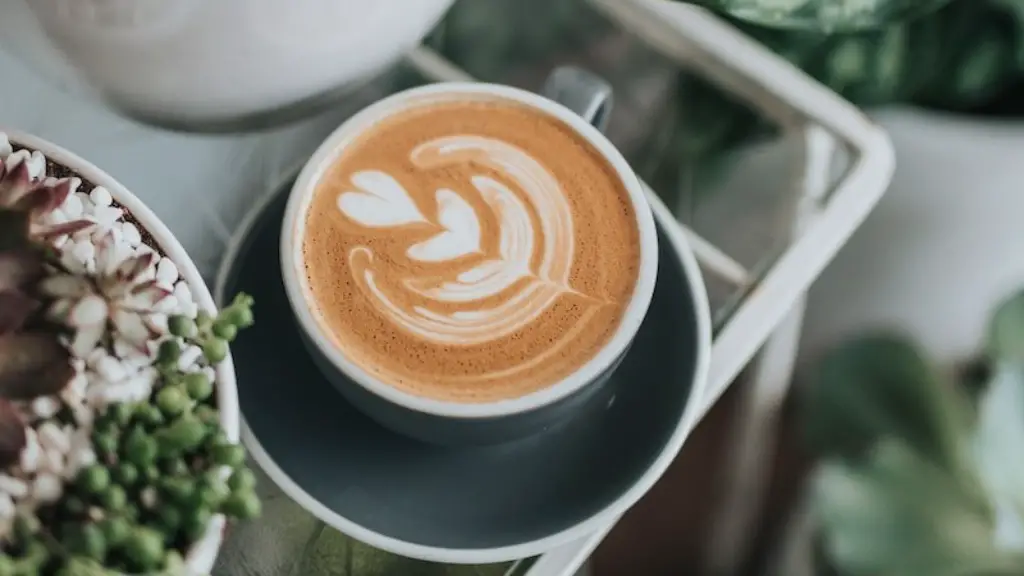
How to Reduce Anxiety After Drinking Coffee
Coffee is known as one of the most popular beverages in the world, enjoyed across all ages, cultures, and countries. It is abundant in antioxidants, and aids in the alertness and focus. But, for some, coffee can cause increased anxiety, jitteriness, and heightened heart rate.
Known scientifically as a stimulant, caffeine can cause a lot of undesirable symptoms, some of which affect a person mentally and emotionally rather than physically. People with a lower tolerance to caffeine or nervous system superstimulation are more prone to this, and if this is the case for you, there are a few steps one can take to avoid being overwhelmed post-coffee.
Modify Intake
The number one way to reduce anxiety after drinking coffee is to reduce intake. If you are drinking coffee more than once a day, cut down to once a day, and if you are only drinking coffee once a day, consider cutting down gradually and stop altogether if the symptoms remain after reducing intake.
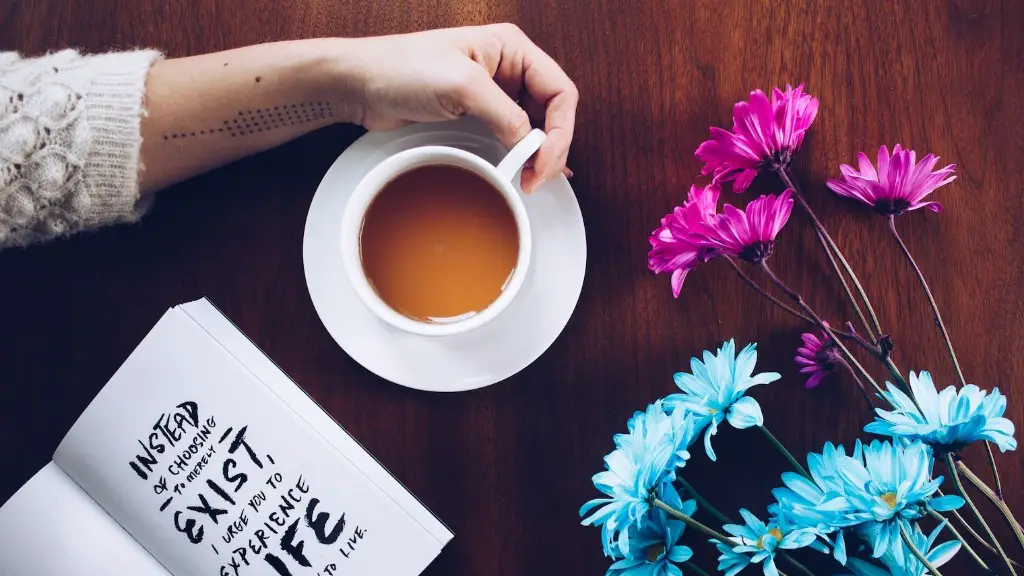
You can find healthier alternative to coffee such as green tea and yerba mate in the market. But, if you are in love with your cup of java, try using half-caf, which has only half the amount of caffeine and is generally easier on the nervous system.
Mindful Consumption
Being mindful of how you are consuming your coffee is another effective way to reduce anxiety post-coffee. Make sure you are not drinking it on an empty stomach. Eating a balanced dinner or snack before consuming coffee helps to control the energy boost that comes from the caffeine.
Cut down on the extra sugars and additives, such as dairy, that you put into your coffee. Excess dairy and added sugars can sometimes make people feel worse in the long run; this is another of the many benefits of cutting down on coffee.
Exercise
Exercising after drinking coffee is the most effective way to reduce anxiety. Exercise causes the body to produce the [natural calming] hormones during physical activity, which can help to counterbalance the jitteriness from the coffee. Try to take a brisk walk or something more light- intensity exercise like yoga – this way you can make the most of your warm up for the day and calm your mind in the process.

Engaging in mindfulness activities like kick boxing and martial arts can also help to reduce anxiety post-coffee, being more involved in the physical experience and can be somewhat calming.
Use Supplements
Supplements such as l-theanine, an extract from green tea, can be taken as an alternative to reducing anxiety. It has been found to increase alpha brain waves, which can help to soothe an anxious state.
Magnesium citrate is another effective supplement to try. It has calming effects on the central nervous system, enabling an individual to feel more relaxed. Other supplements like valerian root, Vitamin B6, and 5-HTP can also be used to help reduce anxiety.
Get Enough Sleep
One of the most important things you can do to avoid anxious symptoms after drinking coffee is to get adequate rest. The body needs an adequate amount of sleep to regulate stress and restore energy. Even a slight lack in sleep can cause irritability, jitters, and anxiousness.

Trying to get at least 7-8 hours of quality sleep can be beneficial for reducing anxiety after drinking a cup of coffee. Additionally, creating good sleeping habits by trying to go to bed and wake up at the same time each day can be helpful in getting quality sleep.
CBT Strategies
Cognitive-behavioral therapy (CBT) approaches can also be helpful in reducing anxiety post-coffee. Strategies such as progressive muscle relaxation, deep breathing, and guided imagery can help to bring balance back to the mind-body system. Additionally, writing down anxiety provoking thoughts that come to mind and reframing them has also been found to be helpful in managing anxiety.
For some, utilizing mindfulness practices like yoga and meditation can also be helpful, allowing individuals to stay present and centered in the moment; this might be especially beneficial for individuals who rely heavily on coffee to stay alert and energized.
Do Not Overanalyse
Finally, try not to overanalyse the situation if you can. It may be helpful to remind yourself that the anxious feelings will most likely not last forever, and with mindfulness and calming activities, the feelings can slowly diminish.

It can be helpful to talk to a therapist to get a better understanding of how coffee may be affecting emotions. Talking to a health professional may provide insight into how to reduce anxiety after drinking coffee, what to expect in the future and advice on knowing one’s personal limits.
Talk to Friends & Family
Talking to friends and family about how you are feeling can also be beneficial; this allows you to feel heard and understood. Our loved ones can often provide support and insight, as well as provide a sense of comfort and assurance in hard times.
Engaging in activities such as taking a walk or spending time with a pet can also provide relief from anxiety. Additionally, engaging in creative activities like podcasting, writing in a journal, or painting can be helpful in calming the nervous system.
Avoid Caffeine Sensitizing Substances
It can also be helpful to avoid caffeine-sensitizing substances, such as certain medications, supplements and alcohol, which can enhance caffeine’s effects on your nervous system. If you are routinely drinking coffee, avoiding these substances may be beneficial to alleviate anxiety post-coffee.

Seeking professional advice is also important if you are struggling with anxiety and needing assistance in regulating nervous system activity. There are various therapeutic options available, from cognitive behavioural therapies to medications. It is best to discuss any options with a health professional.
Sticking to a Routine
Lastly, sticking to a routine can be useful for those who experience anxiety post-coffee. Establishing a regular pattern for meals, activities, and sleep can help to maintain energy and energy levels. This can make it easier to manage stress levels during the day and manage anxious symptoms in the evening.
Schedule regular breaks throughout the day when tired and make sure to give yourself enough time to rest and recharge. Taking breaks can help regulate body and mind in the long-run and can be extremely beneficial in reducing anxiety.
Diversify Your Diet
Diversity in your diet can also be beneficial. Incorporate more plant-based foods like leafy greens and grains; this can help to reduce inflammation and fatigue as well as provide more nutrients for your body.
Additionally, limit processed foods and meals high in sugar. Highly processed and sugary meals can cause a quick spike in energy and a crash afterwards. This might leave a feeling of uneasiness and anxiousness post-meal.
Learn When to Stop & Enjoy the Moment
Finally, it can be helpful to learn when to stop and enjoy the moment. Living in a digital age, it can be easy for us to get caught up in our devices. Taking moments to unplug from devices and reconnect with nature and our community can be beneficial in reducing post-coffee anxiety.
Creating conscious moments throughout the day can also help with managing feelings of stress. Take a few moments throughout the day to appreciate the here and now. This can make all the difference in one’s mental health.
Take Time to Relax & Enjoy Nature
Taking time to relax and enjoy nature can be beneficial in reducing anxiety post-coffee. Find a spot in nature with fresh air and take some time to just be in the moment. This can help to reset the nervous system from a state of fear or stress to one of clarity and presence.
Journaling and participating in outdoor activities such as walking, running, and yoga can also be helpful in calming the mind and body. Benefits of being in nature include increased mental wellbeing, improved sleep, improved sense of self, and increased creativity.
Mindful Habits & Practices
Overall, implementing mindful habits and practices is the best way to reduce anxiety after drinking coffee. Practicing mindful breathing, being mindful of your environment, eating meals with mindful intention and engaging in creative activities can help to reduce post-coffee anxiety.
It can be helpful to create an individual plan that works best for you. This should include a healthy diet, adequate rest, regular exercise, and other forms of self-care. These steps combined can help to bring balance to your mind and body.
Recognizing & Understanding Patterns
In addition, recognizing and understanding patterns is key in managing anxiety after drinking coffee. Becoming aware of patterns such as how often coffee is consumed, feelings that come up after coffee, and any unhealthy patterns is important in understanding one’s relationship with coffee as well as managing anxiety.
It is important to remember that it is ok to feel anxious and overwhelmed after drinking coffee. It can be helpful to recognize that these feelings are normal and that with mindful habits, these feelings can be managed over time.
Developing Resiliency & Acceptance
With mindful practices, it is possible to develop resiliency and acceptance. Acceptance is key in understanding and navigating life’s ups and downs. With acceptance, it is possible to learn from our mistakes and to develop healthier habits going forward. Additionally, seeing anxiousness as an opportunity for growth can be beneficial for cultivating resiliency within oneself.
Living a mindful and healthy lifestyle is key in managing anxiety after drinking coffee. With mindful practices, it is possible to create a life of balance and wellbeing. This can make a huge difference in one’s life and make all the difference for those struggling with anxiety post-coffee.
