
Do Vegetarians Drink Coffee?
Vegetarianism is becoming increasingly popular around the world, with more and more people opting to abstain from eating meat for ethical, health, and/or environmental reasons. This begs the question: do vegetarians also abstain from drinking coffee?
When it comes to most foods, vegetarians are typically content with substituting meat with eggs, dairy, legumes, and nut-based proteins as well as produce composed primarily of plants. However, when it comes to coffee, there are more complex matters to attend to. According to registered nutritionist and University of Toronto professor Gayle Ramage Quinn, “certain vegetarian lifestyles do not take animal-based products such as dairy, eggs, and honey. Depending on the type of diet followed, this could preclude the use of coffee and other beverages because of added ingredients.”

That being said, there are a few workarounds for vegetarians who still wish to drink coffee. The two primary non-diary based options for coffee drinkers include: soy, almond, or coconut milk, or black coffee without additives. According to dietician Claire Goncalves, “Plain black coffee is suitable for all vegetarian diets. Whole dairy milk, as well as various plant-based alternate milks are also generally okay to consume. It’s always important to read labels on the kinds of products one is consuming to make sure the ingredients are vegetarian-friendly.”
When it comes to those who adhere to veganism, the outlook is somewhat more complicated, as it excludes any animal products – including dairy, honey, and certain sweeteners – from their diet. As a result, vegan coffee drinkers can substitute dairy milk with any of the above-mentioned non-dairy options, as well as vegan creamer, which is composed of a blend of canola and/or coconut oil, as well as sugar, corn syrup, and other plant-based additives.
Moreover, veganism – like vegetarianism – is beginning to infiltrate the coffee industry, with a surge in the availability of vegan options for those who abstain from using animal products.
Caffeine-free Options
For some, the issue of vegetarianism or veganism when it comes to coffee consumption is secondary to the issue of caffeine consumption. For example, pregnant women and those who are especially sensitive to caffeine are typically advised to abstain from drinking coffee altogether. According to dietitian Jo Hollington, “Caffeine-free alternatives include coffee-free beverages like chicory coffee and roasted grain beverages including roasted barley, roasted rye and roasted dandelion root – all of which are suitable for both vegetarians and vegans.”
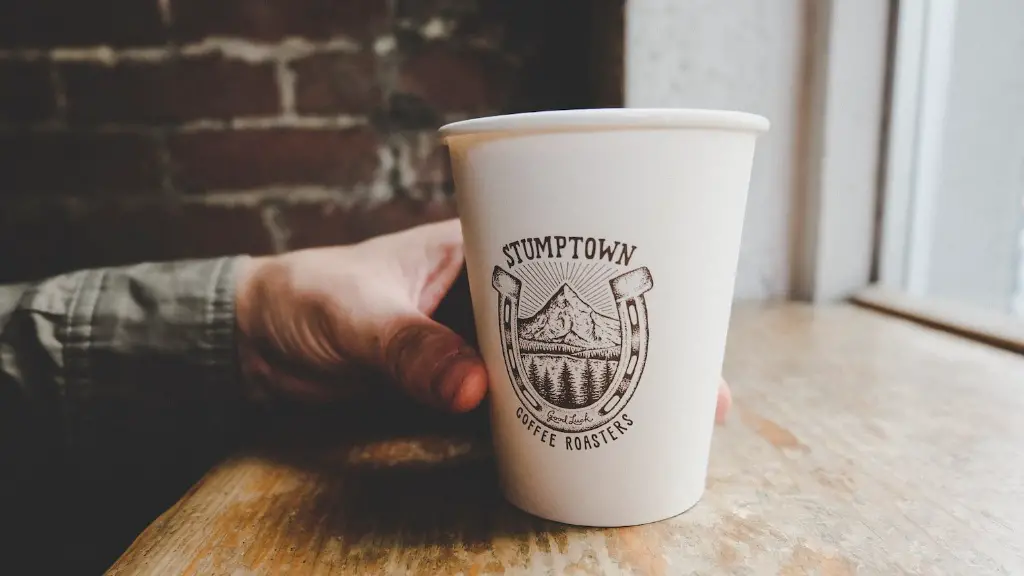
For those who simply wish to reduce their caffeine consumption, Hollington advises to, “slowly transition to decaffeinated coffee, which is also suitable for vegetarians and vegans. One should also make sure to get enough sleep and plenty of fluids to avoid any withdrawal symptoms due to the reduction [in caffeine].”
Furthermore, there are caffeine-free alternatives available on the market, such as chai tea and herbal teas, which generally contain far lower amounts of caffeine than a typical cup of coffee.
Organic and Fair Trade Certification
For those who wish to both consume coffee and remain vegetarian or vegan, there are numerous options on the market in terms of sourcing and certifications. Organic and fairtrade certification, for example, is a great way to ensure that coffee beans have been produced ethically and sustainably. According to The World Fair Trade Organisation (WFTO), “The fair trade label certifies that producers in developing countries have met international standards of sustainability and fair treatment of their workers.”
Moreover, organic certification guarantees that coffee beans are sourced from farms that do not use synthetic or chemical fertilizers or pesticides of any kind. Additionally, there are various certifications pertaining to other aspects of sustainability, such as Bird Friendly and Shade Grown, which focus on the protection of bird habitats and forest growth, respectively.
Wild Coffee

Moreover, for those who want to take their support for vegetarianism and veganism to the next level, there is the option of wild coffee. Wild coffee is usually sourced from remote areas, pickers who are typically locals, and sold directly to the consumer.
Joshua Littlejohn, the CEO and founder of Reunion Island Coffee, explains that, “Farmers communicating directly with the consumer—along with Fair Trade, organic, and other certifications—ensure people have a greater connection to their coffee and increase the sustainability of their industry.”
In addition to ensuring a greater sense of ethical responsibility, wild coffee also provides a unique flavor profile, which is incomparable to any other kind of coffee on the market.
Environmental Impacts of Coffee Production
Despite the numerous options that are available for vegetarian and vegan consumers, the reality is that there are still socioeconomic and environmental costs associated with coffee production and consumption. In many cases, the production of coffee requires large amounts of water, energy, and labor – all of which have a negative environmental impact. Studies have also shown that the increasing demand for coffee is resulting in deforestation, soil erosion, and the destruction of animal habitats, both of which are seen most notably in countries with emerging economies.

That being said, there are ways to reduce one’s environmental impact when it comes to coffee. These include opting for alternative brewing methods and utilizing reusable mugs and keep cups instead of disposable cups whenever possible. Switching from whole beans to pre-ground coffee is also encouraged, as it helps to reduce energy consumption. Moreover, drinking organic and/or fairtrade varieties of coffee is a great way to support sustainable organic agriculture and ethical trade practices.
The Benefits of Coffee for Vegetarians and Vegans
For vegetarian and vegan coffee drinkers, there are numerous benefits associated with drinking coffee. For example, a moderate amount of caffeine has been known to increase alertness and cognitive performance, thus providing vegetarians and vegans with more energy and focus throughout the day. Coffee has also been linked to a number of health benefits, such as the prevention of neurological diseases, cancer, Alzheimer’s, and depression. Moreover, the antioxidants found in coffee are thought to help reduce the risk of heart disease and other age-related conditions.
In addition, coffee has been linked to a number of other benefits, such as an overall improved quality of life, as well as enhanced physical performance. Ultimately, as long as coffee is consumed in moderation and one makes sure to remain mindful of the ingredients in the product being purchased, there is no reason why vegetarians and vegans should abstain from it.
The Impact of COVID-19 on the Coffee Industry
The global pandemic has had an unprecedented impact on the coffee industry, with many coffee shop and café owners unable to weather the economic storm. Coffee farmers and producers have been particularly hard hit by the pandemic, as they have seen dramatic declines in prices due to a drop in demand. It is also worth noting that, while many producers have been able to make the transition to e-commerce, this has not been the case for all.

Moreover, the safety protocols necessary to curb the spread of the virus have put additional strain on the industry. For example, in many countries, baristas are now required to wear protective gear, while customers are encouraged to keep adequate distances and use cashless payment methods. As such, coffee shop owners have had to invest more money and resources in order to ensure that their staff and customers remain safe.
As a result of the pandemic, many coffee producers have also experienced difficulty obtaining essential supplies and resources, such as fertilizers, harvesting equipment, and transportation services, in addition to being unable to procure the labor necessary to adequately cultivate the crops.
The Future of the Coffee Industry
Despite the numerous challenges that the coffee industry currently faces, there is still hope for the future of the industry. According to CoffeeForChange, an organization that advocates for sustainability in the industry, “The future of the specialty coffee industry has become a more collaborative one as people increasingly have begun to recognize their ability to influence the sustainability of the industry through their purchasing decisions”.
Moreover, the industry is beginning to shift towards greater sustainability, with a focus on ethical practices, such as Fair Trade and organic certifications, as well as the shift towards direct-to-consumer sales and production models. For example, some producers are beginning to experiment with regenerative agriculture, which focuses not only on protecting the environment and conserving the earth’s resources, but also on restoring and rebuilding damaged ecosystems.
Ultimately, the impact of the global pandemic on the industry has been drastic and far-reaching, yet there is hope that, with the combined efforts of producers, farmers, and industry leaders, the future of the industry will be brighter and more sustainable than ever before. As such, there is no reason why vegetarian and vegan coffee drinkers should not continue to enjoy the refreshing and revitalizing beverage.
