
Ever had a cup of coffee late in the day and felt it affect your sleep? We’ve all been there – and you are certainly not alone! In fact, the answer to our question ‘Can you still sleep after drinking coffee’ can be quite complicated.
Since caffeine is the most widely consumed psychoactive drug in the world, understanding its interplay with sleep has become increasingly important as we become ever more reliant on coffee and other caffeinated products.
Although interpreted differently by everyone, for most people caffeine’s effects last around four to six hours. For others, it can be up to 12 hours or more, depending on their unique body chemistry and other lifestyle variables.

But the answer to whether you can still sleep after drinking coffee goes beyond just the timing of your caffeine hit – or how well it’s metabolized. The most important factor here is the type of caffeine consumed.
How we respond to caffeine is determined both by the form of the product and how it was prepared. For instance, people might consume energy drinks, coffee, or cold-brewed coffee all made with the same amount of caffeine, but the body’s response is vastly different.
Caffeinated drink consumption has been linked to an increased risk of insomnia, especially when consumed too close to bedtime. A study published in the journal Advances in Nutrition concluded that people should not consume caffeinated beverages within six hours of bedtime.
Sleep researcher and neurologist Dr. Kevin Smith explained that caffeine interferes with sleep by slowing down our ability to get to sleep, as well as sabotaging the quality of our sleep. This is because caffeine is a stimulant, it increases alertness and raises our heart rate, which makes it harder for us to get to the deeper stages of sleep.
How To Best Manage Caffeine Intake?

Dr. Smith also suggests that if you want to make sure you still get quality sleep even after consuming caffeine, set a limit on how much you drink. He recommends consuming no more than two cups per day and avoiding caffeinated beverages late in the evening as this is when your body is winding down and preparing for sleep.
Also, try to diversify your caffeine sources. Some people rely so heavily on coffee and energy drinks, they forget that caffeine can also be found in chocolate and certain teas. By varying your caffeine sources, you’ll be able to spread out your intake and avoid having too much at once.
Finally, take into account your lifestyle. Are you an athlete on a strict sleep/training regimen? Do you have a stressful job? Are you going through a difficult time in your life? All of these variables will affect your body’s response to caffeine and therefore your quality of sleep.
Caffeine Impacts Health In Other Ways
Besides sleep, caffeine intake can affect health in other ways. Caffeine is known to increase blood pressure and heart rate, as well as trigger bouts of anxiety and headaches, so pay attention to how your body responds.

Not only that, but people are affected differently. Caffeine can stimulate some but cause others to feel jittery and restless. Some people also feel they ‘crash’ when the effects of caffeine wear off and may experience low energy levels or even depression.
All of this is to say that everyone’s response to caffeine is different, so be aware and mindful of your own body’s needs. Be conscious of what time of day you are consuming caffeine and how much you have taken, and pay attention to how your body is reacting to it.
Stimulates Creativity?
In contrast to the potential disruptive effects of caffeine, it is also believed to have positive effects when taken in moderation. For instance, in small doses, it can bolster your alertness and focus and even encourage creative thinking.
In fact, studies have shown that drinking a cup of coffee can improve cognitive performance and lead to a higher quality of performance in tasks that require sustained concentration. Caffeine has also been found to enhance physical coordination, reflexes and reaction time.
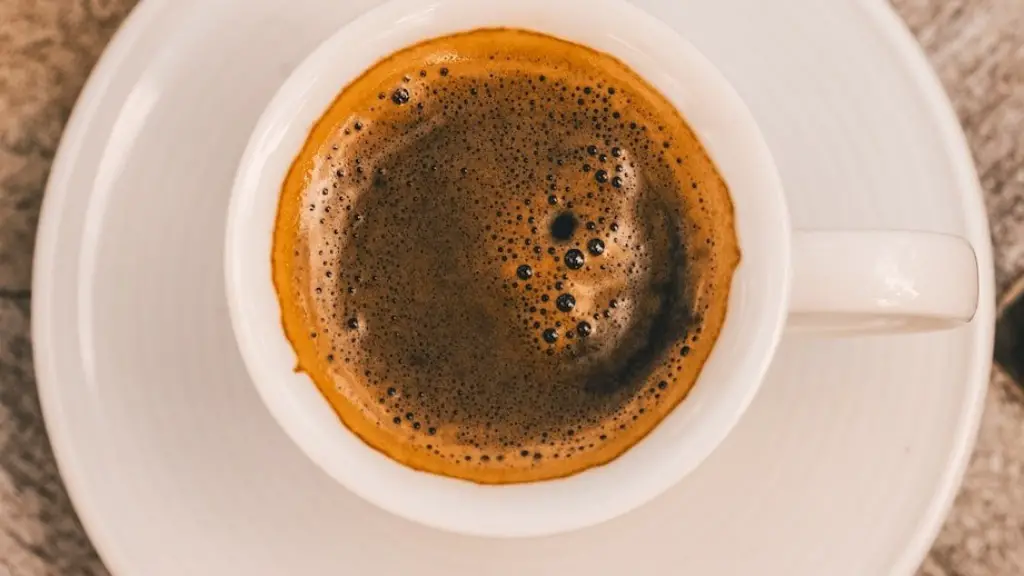
Coffee is also associated with improved memory and functionality. Additionally, drinkers of caffeinated coffee have been shown to be more energized and have improved alertness. For this reason, caffeine is sometimes taken as a performance-enhancing drug by athletes and elite performers.
Pros & Cons of Caffeine
The topic of caffeine is often surrounded by passionate debates because of the potential positives and negatives associated with it. On one hand, caffeine can improve mental clarity and alertness, but on the other, it can also interfere with sleep and lead to dependency issues if consumed in large quantities.
The key is to be aware of your body’s own reaction to caffeine, and listen to its signals. If you are experiencing insomnia or other disruption to your sleep, your body is telling you to put down the coffee. Remember that you don’t need to be overly rigid or imposing rules on yourself if you are responsible and conscious of your consumption.
Addiction To Caffeine
Let’s talk about addiction. According to the National Institute of Drug Abuse, caffeine is one of the most commonly used and abused substances in the world. And while it’s not as dangerous as other drugs, it can become a problem if you are over-relying on it.

Caffeine dependence can be identified when you start to experience withdrawal symptoms, such as headaches, shakiness and irritability, when you stop drinking. If you think you have become too reliant on caffeine, try gradually reducing your intake and replacing caffeinated beverages with herbal tea, water, or other non-caffeinated drinks.
Tolerance To Caffeine
Then there’s tolerance – people become increasingly tolerant to the effects of caffeine over time, which means they need to drink more and more to get the same effect. This, together with the potential withdrawal symptoms, makes it difficult to stop drinking caffeine altogether.
If you are thinking of cutting down your caffeine intake, start by replacing caffeinated beverages with herbal teas, fresh juices or water. Then, reduce your caffeine intake throughout the day and try to steer Clear of coffee after 3 pm so that it does not interfere with your sleep.
Also, consider swapping coffee for decaffeinated coffee or going for a half-caffeinated version of the drink. This will help you to gradually reduce your caffeine intake and still get the benefits from the coffee that you enjoy.
Making It A Lifestyle Change
Finally, remember that the goal is to achieve balance. Don’t beat yourself up if you slip up. Instead, make it a realistic lifestyle change. Pay attention to when you feel your best and when you feel your worst, and make modifications as needed.
The answer to our original question ‘Can you still sleep after drinking coffee’ is a complex one. While it depends on how much you drink and when you drink it, the most important thing is to remain aware of how caffeine affects you personally and make adjustments accordingly.
