Drinking Coffee Amongst Health Benefits and Consequences
It should come as no surprise that coffee is one of the most popular drinks in the world. People love coffee for its flavor, and many just can’t seem to start a morning without it. With caffeine-rich coffee becoming increasingly popular, people around the world ask themselves – how much coffee should I drink in order to maintain a healthy lifestyle and enjoy its potential health benefits?
When it comes to caffeine and its comsumption, experts usually recommend moderate intake. According to research, moderate coffee consumption is defined as three to five 8-ounce cups of coffee per day and accounts for up to 400 milligrams of coffee per day. People who consume more than this amount may increase their risk of experiencing negative side effects such as insomnia, upset stomach, irritability and anxiety.
But is coffee really so bad at such moderate doses? With claims by some experts claiming coffee’s beneficial effects on health, there are a lot of theories out there. Studies suggest that, when consumed in moderation, coffee can actually be beneficial for health. It helps to improve alertness, cognitive function, athletic performance, and may reduce the risk for certain diseases.
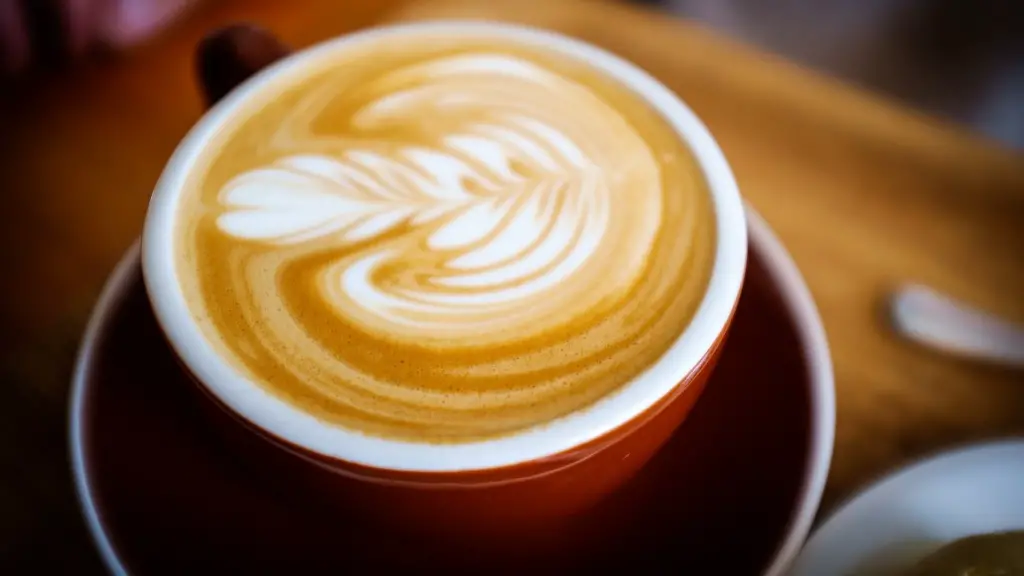
Coffee is an excellent source of antioxidants, which play an important role in reducing inflammation and strengthening the immune system. The caffeine found in coffee can also increase metabolic rate, increasing the amount of calories burned throughout the day. It is important to note that these potential health benefits of coffee only apply to moderate consumption.
However, it is also important to remember that many of the potential benefits of coffee have been studied in moderation. The effects of high-caffeine coffee consumption are much less clear and may have potentially dangerous consequences. For example, people who consume large amounts of coffee may suffer from insomnia, anxiety, and digestive problems.
It is also important to understand that coffee is not the only source of caffeine. Caffeinated drinks such as energy drinks and soda also contain caffeine, and their consumption in large amounts can have potentially dangerous side effects.
Drinking Coffee Amongst Mental Performance
Moderate consumption of coffee can positively affect mental performance. According to experts, caffeine helps to block the breakdown of certain neurotransmitters that are essential for proper mental functioning. This blocking of neurotransmitter breakdown can improve alertness, reaction time, and overall cognitive functioning. In addition, studies have linked coffee consumption to improved memory and learning. A moderate consumption of coffee has also been linked to reduced levels of depression.

On the other hand, it is important to note that too much caffeine consumption may lead to poor mental performance and increased levels of stress. Excessive consumption of caffeine can also interfere with sleep patterns, which can lead to fatigue, apathy and impaired performance.
When it comes to improving mental performance, it is important to remember to keep coffee consumption at moderate levels. It is also important to understand that caffeine can affect people differently.
Finally, make sure that any other stimulants you may use, such as energy drinks, also contain limited amounts of caffeine. Too much of these stimulants can be harmful and negatively affect mental performance.
Types of Coffee
When it comes to coffee consumption, it is important to understand the differences between the various types of coffee. Filter coffee is likely to be the most commonly consumed type of coffee and is commonly used in cafes and restaurants. This type of coffee is made by steeping ground coffee in hot water, which produces a more mellow and smooth flavour.

Espresso is also a popular type of coffee and is often served as an espresso-based drinks such as cappuccino, lattes and macchiatos. It is made by forcing hot water at high pressure through finely ground coffee beans. This produces a strong, flavourful and concentrated drink.
Finally, cold-brew coffee is a type of coffee that has become increasingly popular in recent years. This type of coffee is brewed at room temperature or cold and produces a milder, less acidic and less bitter flavour than other types of coffee.
Coffee and Caffeine Intake
When it comes to consuming coffee and caffeine, it is important to consider the potential risks and benefits. Moderate amounts of coffee and caffeine can provide potential health benefits, such as improved alertness, enhanced cognitive performance and reduced risk of certain diseases.
However, it is important to remember that caffeine can affect people differently, and too much caffeine can have potentially dangerous effects on health. People who suffer from insomnia, anxiety or digestive problems should be especially cautious when it comes to coffee and caffeine consumption.
Finally, it is important to understand the differences between types of coffee and to ensure that any other stimulants consumed also contain limited amounts of caffeine. By understanding and responsible consumption, coffee and caffeine can be part of a healthy lifestyle.
Different Coffee Beans
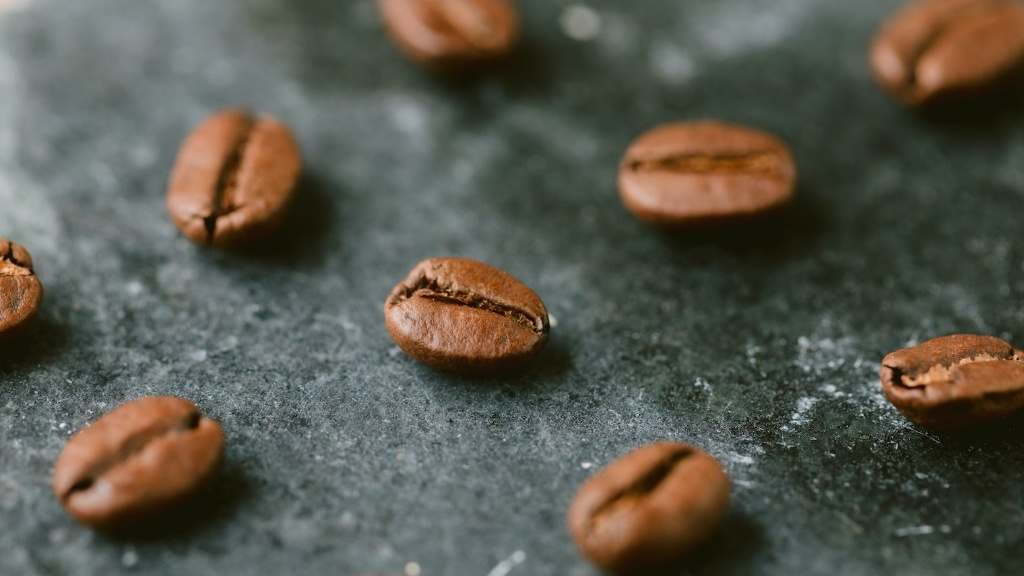
When it comes to coffee, there are a wide variety of beans to choose from. Some of the most popular types of coffee beans include Arabica, Robusta and Liberica. Each type has its own unique characteristics and flavor profile.
Arabica beans are the most widely cultivated and are known for their mild flavor and sweet aroma. Robusta beans are a bolder and more bitter variety, but are also packed with more caffeine. Liberica beans are often described as being earthy and smoky in flavor and have a much higher caffeine content than Arabica beans.
It is important to note that the type of coffee beans used will affect the flavor and strength of the coffee. While the caffeine content of the different types of coffee beans can vary, the general consensus is that the higher the quality of the coffee bean, the more flavorful and aromatic the coffee tends to be.
Coffee Roasts

In addition to different types of coffee beans, there are also various coffee roasts. The roast of the coffee will affect the flavor, aroma and body of the coffee. The most common coffee roasts are light, medium and dark.
Light roasts are typically light-bodied and feature the most delicate flavor profile. These roasts tend to be the least processed, allowing for the natural flavors of the coffee beans to shine through. Medium roasts are often more complex and full-bodied in comparison with light roasts. Dark roasts feature a bold, caramelized flavor, with a heavier body, and often a smoky aftertaste.
It is important to note that the roast of the coffee will dramatically affect the flavor and caffeination levels. Light roasts are typically less caffeinated than medium and dark roasts. As the roast darkens, the caffeine content increases.
Best Way to Enjoy Coffee
When it comes to enjoying a great cup of coffee, there are a few critical considerations. First, it is important to choose a quality coffee bean to ensure a flavorful and aromatic cup. Next, consider the type of brewing method to use. Different brewing methods produce different flavors and strengths.
Finally, it is important to consider the amount of water used. Too little water may make the coffee taste overly strong, while too much water may make for a weak cup of coffee. To achieve the perfect cup of coffee, the ratio of coffee to water should be between 1:15 – 1:17. Using this ratio, and an appropriate brewing method, will ensure a great cup of coffee every time.
