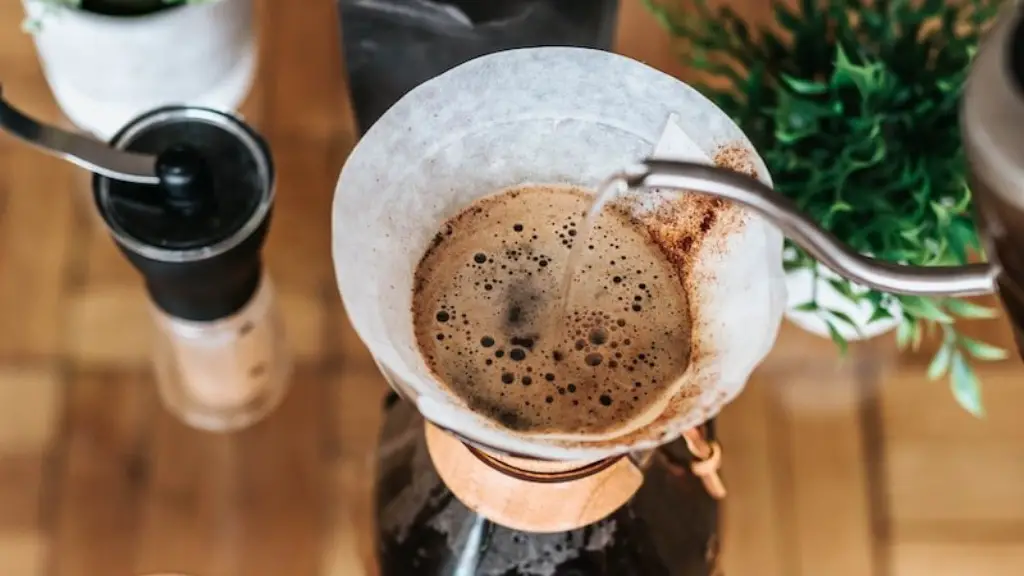
Coffee is a popular drink in Italy and has been since as early as the 1500s. During the Age of Exploration in the 16th century, Italian merchants were among the first to import coffee beans to Europe from Africa and the Orient. Italians can often be seen nursing an espresso or a cappuccino in a local bar. Coffee is considered a cornerstone of Italian culture, and the country has been recognized for its excellence in coffee-making for centuries.
Today, the consumption of espresso is at an all-time high in Italy, as popular drinks like macchiato, cappuccino, and corretto are widely enjoyed throughout the country. Reports suggest that over 6 million cups are enjoyed by Italians every day. Furthermore, drinking coffee has become a fundamental part of Italy’s culture and daily life, used as an excuse to socialize or simply relax.
For many Italians, coffee is more than just a beverage; it is an art form deserving of precision and appreciation. In some Italian households, this appreciation manifests itself in the form of moka pots, machines adapted to make espresso over a stovetop and bring out the full depth of the coffee’s flavor.

Claudio Corallo, head of Corallo Coffee, points out that Italian espresso has set the global standard for the entire industry for decades. He emphasizes that “Italian espresso is always consistently high in quality, from the sourcing of their beans to the intricate details that go into how the espresso is made.”
This attention to detail, paired with the Italians’ ambition to increase their share in the increasingly lucrative premium coffee market, has resulted in a flourishing coffee industry in Italy. It is estimated that the industry has more than 13,700 coffee roasters, employs over 60,000 people, and produces up to 8 million tons of coffee beans a year.
Furthermore, Italy’s coffee industry has greatly benefited from the development of competition and innovation within the specialty coffee market. Some of the most well-known names in the specialty coffee industry such as Lavazza, Illy, and Pellini have all come from the Italian peninsula. The world’s first espresso machine, the Gaggia, was also created by an Italian man, Achille Gaggia, to replace the manual, push-button espresso makers that were used in Italian bars in the early 20th century.
All in all, it is clear that Italians truly cherish their coffee and it has become an integral part of Italian culture. From merchants of the 16th century to modern Italian households, the Italian appreciation of coffee has resulted in a booming coffee industry with products that certainly do not disappoint.
The Espresso Machine
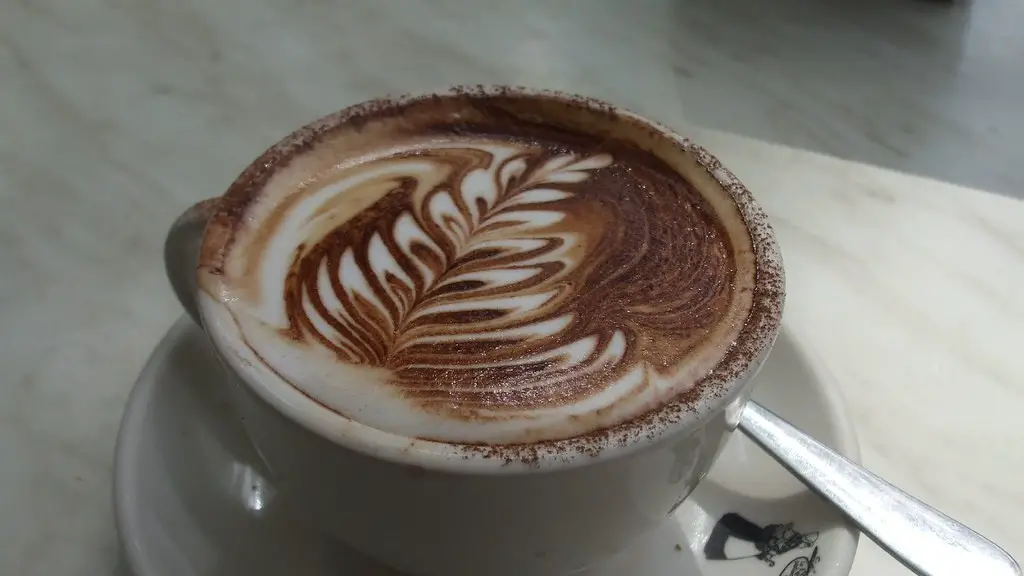
The espresso machine is the cornerstone of Italian coffee and it has totally changed the face of the coffee-making world. The espresso machine was invented in 1884 by Angelo Moriondo at the Turin General Exposition by modifying a traditional French steam engine. In 1901, Luigi Bezzera further modified and improved the Machine, and this is the first version that is considered the true precurser of all modern espresso machines. Following Bezzera’s invention, Achille Gaggia introduced the world’s first mechanical lever-driven espresso machine in 1945. This machine uses both steam and pressure to produce shots that are well-bodied with a thick crema, and thus setting the standard for all other espresso machines.
The espresso machine has now become an essential tool for Italian coffee bars, making the production of espresso shots more efficient and consistent. However, with the growth in the popularity of Italian espresso, this machine has become an integral part of the Italian home, too. Many Italian households now systematically use these machines to create barista-level espresso at home.
Today, the espresso machine can be found in an array of shapes, sizes, and styles that use various brewing methods, such as super-heated water and preground coffee. Most of these machines are also relatively straightforward and user-friendly, and they can be used to create delicious coffee in a matter of minutes with minimal effort.
Facts and Figures
Although coffee drinking is widespread throughout Italy, the way Italians make and consume coffee varies among different regions. On average, a cup of Italian espresso contains around 13-14mg of caffeine, which is slightly higher than the amount of caffeine in a cup of filter coffee.
According to a survey conducted by the ISTAT, an Italian national statistical institute, the most popular coffee shops in Italy are the historic coffee bars, followed by those run by major chains. Coffee bars are located in almost every corner in Italy, and it is the norm to enjoy a cup of coffee while standing at the bar. However, the survey also revealed that Italians prefer to consume their espresso ‘on the go’, as 75% of coffee herbs do not usually sit down to enjoy their cup.
Furthermore, with the growth of Italian espresso culture, the coffee beans used in it has become increasingly important. In recent years, Italian coffee roasters have turned to specialty grading coffee beans, such as those from Ethiopia, Kenya, Brazil, and Colombia, due to the vibrant flavor they bring. These beans are usually blended together to create the rich aroma of Italian espresso.
Coffee Trends in Italy
In recent years, the Italian coffee culture has been greatly influenced by hipster culture and some coffee trends have been emerging. From small-scale coffee roasters specialising in unusual varieties and blends to trendy cafeterias changing the face of Italian espresso, these trends have been gaining steam in the industry.
Micro-roasting, for instance, is a unique trend in the market and it refers to small-scale coffee production. Small-scale roasters typically source beans at origin and roast them onsite, usually in batches of less than five kilograms. This allows them to create unique and flavourful blends, as well as ensure quality control and freshness.
Moreover, many Italian cafes now offer different unconventional drinks such as cold brew, matcha latte, and even herbal infusions to set themselves apart from the competition. There is no doubt that these cafes are poised to benefit from the influx of millennial customers who are often looking for new flavours and experiences.
In the end, these trends are a testament to the Italians’ appreciation for coffee, as many of them are not just content with the traditional espresso, but looking to explore newer options.
Health Benefits
In addition to its delicious flavor, drinking espresso also has many potential health benefits. For example, espresso contains polyphenols, which are antioxidants that can help protect the body against chronic diseases such as heart disease and cancer. Studies also suggest that drinking espresso can help with weight loss, glucose regulation and better gut health.
Studies have even found that espresso enhances cognitive performance and can help reduce fatigue. Caffeine found in espresso is believed to be the reason for this phenomenon, as it acts as a stimulant in the nervous system. It can also help improve memory and reduce reaction time.

Moreover, aside from the health benefits, drinking espresso can also pave the way for a more social lifestyle in Italy, as it encourages people to get together over a cup of coffee, exchange stories and form friendships.
Differences in Taste
Italian espresso differs from other coffees due to the unique way it is made and the ingredients used. The Italians roast their coffee beans longer, usually in a drum roaster, and the grind size is larger than the grind size used for filter coffee. The finer grinds you often find in filter coffee, extract more of the bitter elements that Italians try to avoid. Coffee in Italy is also drunk black without the addition of sugar or cream.
The coffee beans used are also of high quality, making it easier for the coffee drinkers to distinguish between different beans. Additionally, some coffee drinkers even use special coffee blends or coffee terroir that can be identified as they have aromas of certain flavors.
In short, Italians take great pride in crafting their espresso and prefer the taste that comes from artisanal beans and careful processes. This explains why the Italians are considered producers of some of the finest coffee beans in the world.
