
Cravings for warmth and comfort often lead us to reach for a warm drink such as coffee when we are suffering from a cold. However, it’s worth taking a closer look before we rush in. The truth is that there is no hard evidence that drinking coffee helps you recover from a cold, or that it makes any real difference to your cold symptoms. As with many medical questions, the truth is more nuanced than a simple yes or no answer.
Coffee can help with dehydration, which is a common symptom of colds, and it’s possible that the warm beverage could help ease cold symptoms such as sore throat and congestion. But it’s important to note that the caffeine in coffee can also be harmful if you drink too much of it. Caffeine is a diuretic, which means it encourages your body to produce urine and can lead to dehydration. In addition, if you already have trouble sleeping, drinking coffee might make it worse.
Additionally, any potential benefits of coffee as a remedy for colds come with a warning. Drinking more than four cups of coffee a day can raise your risk of heart disease, high blood pressure, and stroke. If you’re already feeling run down from a cold, this can be a dangerous mix. So it’s best to limit your caffeine intake and stick to the recommended amount of four or fewer cups of coffee a day.
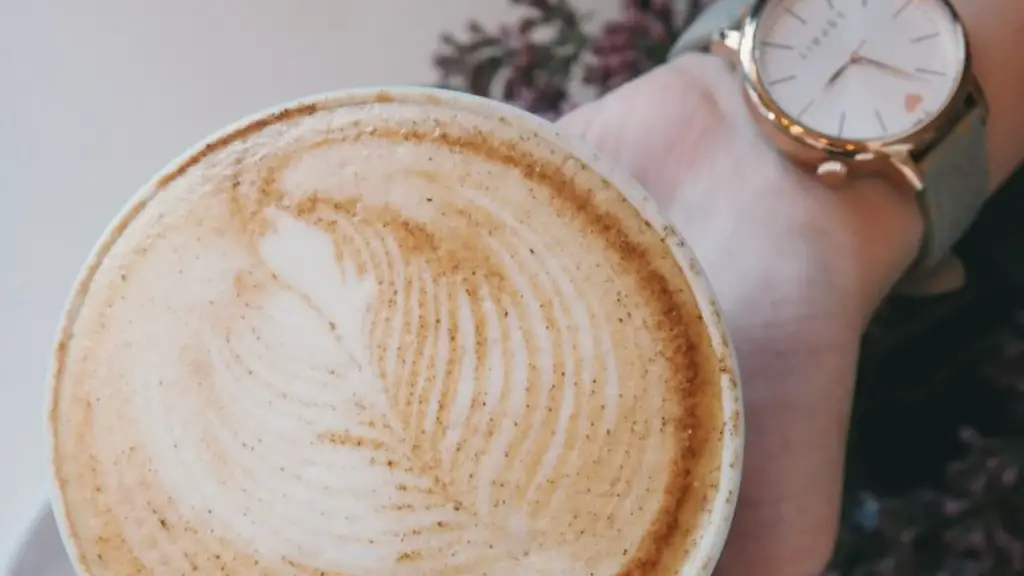
Experts agree that there is no straight answer when it comes to drinking coffee for a cold. Some people may find relief from sore throats or other cold symptoms, but the risks of dehydration and over-caffeination should be taken into account when making a decision. So as long as you stay within the recommended amount, drinking a cup of coffee might provide some comfort, but it’s better not to rely on it as a cure.
Herbal Teas
Although there is little scientific evidence to support the use of herbal tea as a remedy for colds, many people swear by it. Herbs such as ginger, echinacea, and peppermint have been used traditionally as natural remedies for colds and flu. With that in mind, it’s possible that a cup of herbal tea may help provide some relief from symptoms such as sore throat or congestion. Additionally, many herbal teas contain antioxidants and other compounds said to have anti-inflammatory and immune boosting properties.
If you do decide to try an herbal tea remedy for your cold, be sure to do your research to make sure that the herbs you use are safe. Some herbs can interact with certain medications and may not be suitable for certain people. If in doubt, speak to your doctor or a qualified herbalist.
It’s also worth bearing in mind that a cup of herbal tea alone is not likely to affect the cold virus and help you recover any faster. But for those who prefer to take a more natural approach to colds and flu, a cup of herbal tea may provide some comforting relief.
Rest and Rehydration

No matter what remedy you go for, it’s important to remind yourself that a cold takes time to heal. The body will not recover any faster with coffee or tea; the virus must run its course. In the meantime, it’s best to get plenty of rest and to stay hydrated. Avoid sugary drinks, alcohol and caffeinated beverages, which can all lead to dehydration. Warm herbal teas, such as ginger and peppermint, as well as plenty of water, will help ensure you stay well-hydrated.
It may also be worth considering adding some vitamin C or zinc to your diet. Studies have shown that taking these supplements can reduce the duration of colds, although the effect is smaller than often thought. But just as with coffee and herbal teas, you should be sure to speak to your doctor if you are considering taking a vitamin or mineral supplement.
Conclusion
When it comes to drinking coffee for a cold, the jury is still out. There is no evidence that drinking coffee speeds up recovery or has any notable effect on cold symptoms. However, caffeine can cause dehydration, which can be dangerous when suffering from a cold. Herbal teas may provide some comfort, but they have not been proven to hasten recovery. The best thing to do is to get plenty of rest and stay well hydrated, and if you choose to drink caffeinated beverages, drink them in moderation.
Humidity and Temperature
Another important factor when it comes to colds is the humidity and temperature of your bedroom. Studies have shown that colder temperatures are correlated with having more colds, whereas higher humidity can reduce the chances of falling ill. So if you’re prone to colds, try to keep your bedroom temperature at a comfortable level, and consider investing in a humidifier. Staying warm and keeping your air moist can help to protect you from catching or worsening a cold.
Even if you can’t change the temperature or humidity in your living space, there are still some simple ways to create a colder and drier environment. Dusting and vacuuming regularly helps to remove dust particles that can trigger colds and flu, and reducing the amount of clutter in your home helps to reduce allergens. Closing curtains and windows can also help to keep the temperature down.
In summary, there is no evidence that drinking coffee helps to cure colds. However, the caffeine in coffee can exacerbate dehydration, which can be dangerous if you already have a cold. Additionally, the temperature and humidity of your bedroom can affect your chances of catching or worsening a cold, so be sure to monitor the conditions you are sleeping in.
Home Remedies
There is an extensive range of home remedies that you can use to ease the symptoms of a cold. From nasal rinses, steam inhalation and over-the-counter medicines to simple dietary tweaks, rest and relaxation, there are a variety of different remedies to choose from. Every cold is different, and every person responds in a different way, so it can take some trial and error to find what works best for you.
To relieve congestion and sore throat, try steaming inhalations or natural decongestant teas such as peppermint or eucalyptus. For a blocked nose, try rinsing your nose with a saline solution, using a humidifier, or using over-the-counter decongestant medications. Honey is a popular remedy for sore throat, and for general immune support, you can try adding garlic, ginger, lemon and honey to your meals.
Additionally, you can tweak your diet to support your immune system from the inside out. Foods rich in vitamin C, such as oranges, lemons and strawberries, can help to build your immunity and fight off colds. Other nutrients known for their immune-boosting properties include zinc, selenium and iron, all of which are found in a variety of tasty foods. Eating nutrient-dense whole foods such as nuts, seeds, fruits and veggies, as well as plenty of water, is a natural way to stave off colds and flu.
Lifestyle Changes
As well as dietary tweaks, there are other lifestyle choices you can make to help reduce the chances of catching a cold. Regular physical activity is great for stimulating the immune system, so get your heart rate up and reap the rewards. Keeping stress levels in check is also key, as stress hormones can affect the body’s ability to fight off colds and flu.
In conclusion, drinking coffee does not make a difference to colds, and it can lead to dehydration if you drink too much. Herbal teas may provide some comfort, but the best thing you can do for a cold is get rest and stay hydrated. Additionally, you can try home remedies to ease the symptoms, but ultimately colds take time to run their course. To reduce the chances of catching colds, be sure to stay active, stress less, and make dietary tweaks that support your immune system.
