
Introduction
Coffee is one of the most widely consumed beverages in the world. It can have a positive or negative effect on our health depending on how much we consume. For a 13-year-old drinking coffee every day may not be the best choice, as their bodies are still developing and may not be able to process caffeine correctly. In this article, we will explore the question, “Is it bad for a 13-year-old to drink coffee every day?”
Background Information
Coffee contains caffeine, a stimulant that can increase alertness and focus. When consumed in controlled quantities, it can actually be beneficial to us. However, drinking too much can cause a number of negative health effects. In particular, this is especially true for children and teenagers, whose bodies may not be able to process the caffeine correctly. Drinking coffee every day could interfere with a 13-year-old’s sleep, worsen anxiety, and eventually lead to addiction.
Caffeine and Sleep
The effects of caffeine on sleep can be particularly pronounced in children and adolescents. According to a study by the National Sleep Foundation, caffeine can disrupt the body’s natural sleep cycles and affect the quality of their sleep. This can lead to problems such as difficulty concentrating and a decreased ability to learn.
Additionally, a study conducted by the British Red Cross found that adolescents who drank caffeinated beverages regularly were more likely to report feeling tired during the day.
Caffeine and Anxiety

Caffeine can also worsen anxiety in children and teens. According to the Anxiety and Depression Association of America, overstimulation of the nervous system can worsen existing anxiety symptoms, causing increased restlessness, agitation, and a heightened sense of stress. Furthermore, drinking too much coffee can cause children to become addicted to the caffeine, leading to withdrawal effects when they try to cut back or stop.
Expert Opinion
Experts agree that it’s generally not a good idea for 13-year-olds to drink coffee every day. According to Dr. Sarah Coates, a pediatrician at the Mayo Clinic, coffee is not recommended for anyone under the age of 18. She recommends that teens stick to other non-caffeinated beverages such as water, milk, and juice.
Similarly, Ann Shippy, a nutritionist and expert on the effects of caffeine, recommends that teens avoid coffee altogether. She states that teens don’t need caffeine for energy, as their bodies naturally produce enough. Furthermore, she recommends limiting caffeine intake to no more than 200 milligrams per day, which is the equivalent of two regular-sized cups of coffee.
Social Impact
In addition to physical health, drinking coffee every day can have a negative impact on a 13-year-old’s social life. Caffeine can make it harder for a teen to focus on conversations and social activities, leading to difficulty making and maintaining friendships.
Furthermore, a study conducted by the American Psychological Association found that adolescents who drank more than 500 milligrams of caffeine per day were more likely to report feelings of loneliness and isolation. This can be especially problematic for teens who may already be feeling socially isolated due to the pandemic and school closures.
Parental Perspective
Parents should also be aware of the potential dangers of a 13-year-old drinking coffee every day. While it can be difficult to monitor a teen’s caffeine intake, it’s important to be aware of potential risks and to provide appropriate guidance. Parents should talk to their teens about their caffeine consumption, and implement strategies such as limiting or eliminating caffeinated drinks from the home.
Health Alternatives

For teens looking for an energy boost without the negative side effects of caffeine, there are a number of healthy alternatives. These include foods such as oatmeal, nuts, and fruits, as well as drinks such as herbal tea, green tea, and smoothies.
In addition, regular physical activity is a great way for teens to stay energized and active. Even moderate exercise such as walking or biking can provide the body and mind with a natural pick-me-up.
Caffeine Intoxication
Consuming too much caffeine can lead to caffeina intoxication, a serious health condition that can cause rapid heartbeat, sweating, nausea, and even hallucinations. It is important for teens to be aware of the risks and to talk to their parents or a healthcare provider if they experience any symptoms.
Long Term Effects
It is important to note that the effects of caffeine can be cumulative over time and can lead to both short and long-term health problems. This can include problems such as hypertension, cardiovascular disease, and ulcers. Therefore, it is important to be aware of the potential health risks associated with drinking coffee every day.
Tolerance Levels
Teens should also be aware that everyone’s tolerance levels to caffeine are different, so what may be safe for one person may not be safe for another. It is important to be aware of your caffeine intake and to talk to a healthcare provider if you are concerned.
Final Thoughts
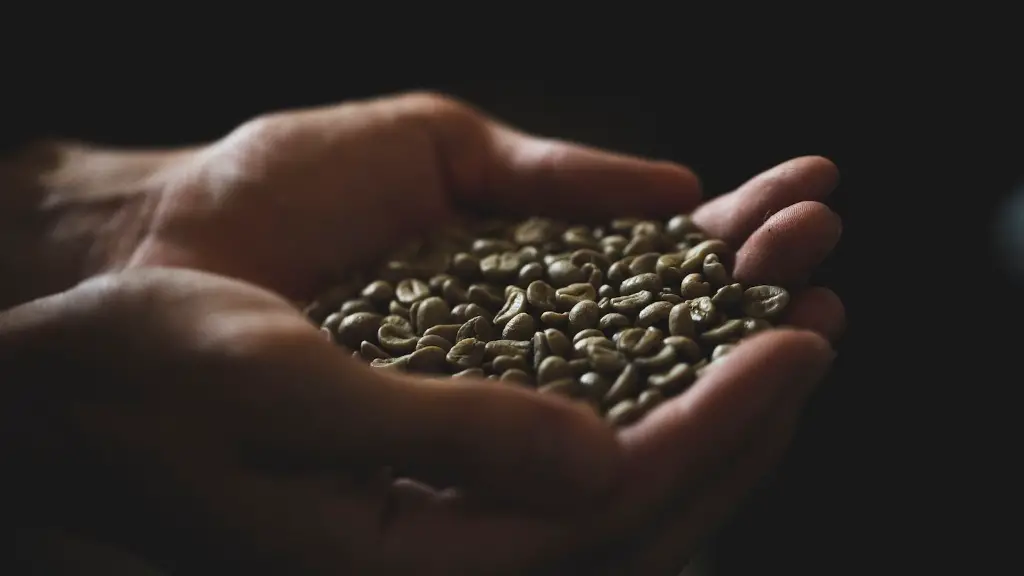
In conclusion, while coffee can be beneficial in small amounts, it is generally not recommended for a 13-year-old to drink it every day. It is important for both teens and parents to be aware of the potential health risks of excessive caffeine intake. Additionally, there are many healthy alternatives to coffee that can provide teens with the energy and focus they need.
