Overview
Coffee is one of the most popular beverages in the world, with a huge range of different varieties and styles available across the globe. It is no surprise that coffee consumption is an increasingly popular practice. But what age should you start drinking coffee? In this article, we will explore the answers to this question and look at what researchers and experts have to say about the age at which it is appropriate to start drinking coffee.
Age Ranges for Coffee
Most experts believe that children should not be drinking coffee until they are at least twelve years old. According to the American Academy of Pediatrics, it is advised that children between the ages of six and twelve should only consume small amounts of caffeine, with the amount increasing slightly with age. This is due to the fact that the developing body of a child is more sensitive to the potentially negative effects of caffeine, including increased heart rate, increased blood pressure, and insomnia.
The Benefits of Coffee
For adults, however, coffee can have some positive health benefits. Numerous studies have shown that regular coffee consumption can help improve short-term memory, reduce the risk of diseases like Alzheimer’s and Parkinson’s, and even boost energy levels. Coffee also contains antioxidants, which fight off free radicals and can help protect against certain types of cancer and other diseases.
Coffee for Young Adults
As for young adults, there is no definitive answer as to when it is acceptable for them to start drinking coffee. The general consensus is that it is best for young adults to focus on getting an adequate amount of sleep and making sure that they are eating a balanced, healthy diet before introducing coffee into their daily routine. However, many believe that young adults can start drinking coffee as long as they limit their caffeine intake and ensure that they maintain a healthy lifestyle.
Reasons to Limit Caffeine Intake
While moderate caffeine intake can be beneficial, it is important to remember to not overindulge in coffee. High levels of caffeine have been linked to increased risk of heart disease, increased anxiety, and difficulty sleeping. It is also important to note that imbibing too much caffeine can lead to insulin resistance, which can eventually lead to diabetes.
Deciding When to Start Drinking Coffee
When it comes to deciding when it is appropriate to start drinking coffee, it is important to consider the benefits, risks, and age ranges associated with the beverage. Ultimately, the decision should be left up to the individual and their physicians/caregivers. It is also important to remember that moderation is key when it comes to consuming any type of caffeinated beverage.
The Different Types Of Coffee
Types of Coffee
The type of coffee one drinks can make a huge difference in how their body reacts to it. It is important to note that some types of coffee are higher in caffeine than others. For example, espresso shots typically contain more caffeine than regular drip coffee. Similarly, some types of coffee may have added sugars, syrups, or other flavorings that can contribute to an increase of daily sugar consumption.
Organic Vs. Non-Organic Coffee
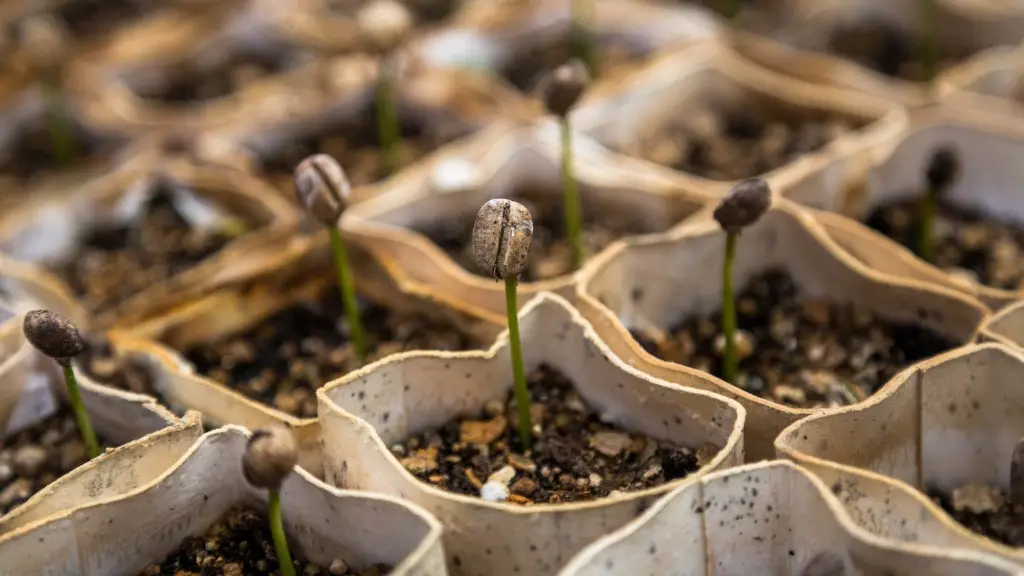
When it comes to coffee, it is important to consider the difference between organic and non-organic options. Organic coffee is made with beans that are grown without the use of chemical pesticides. Many experts believe that organic coffee is better for the environment and can be less laden with toxic chemicals. Additionally, organic coffee is often lighter in taste and contains more antioxidants than its non-organic counterpart.
Dark Roast Coffee
Another type of coffee worth considering is dark roast coffee. Dark roast coffee is known for its bold flavor and intense aroma, but is said to contain less caffeine than lighter roasts. This is due to the beans being roasted at a higher temperature, which results in the release of some of the compounds that contain caffeine. Additionally, dark roast coffee contains high levels of antioxidants which can offer additional health benefits.
Robusta Vs. Arabica
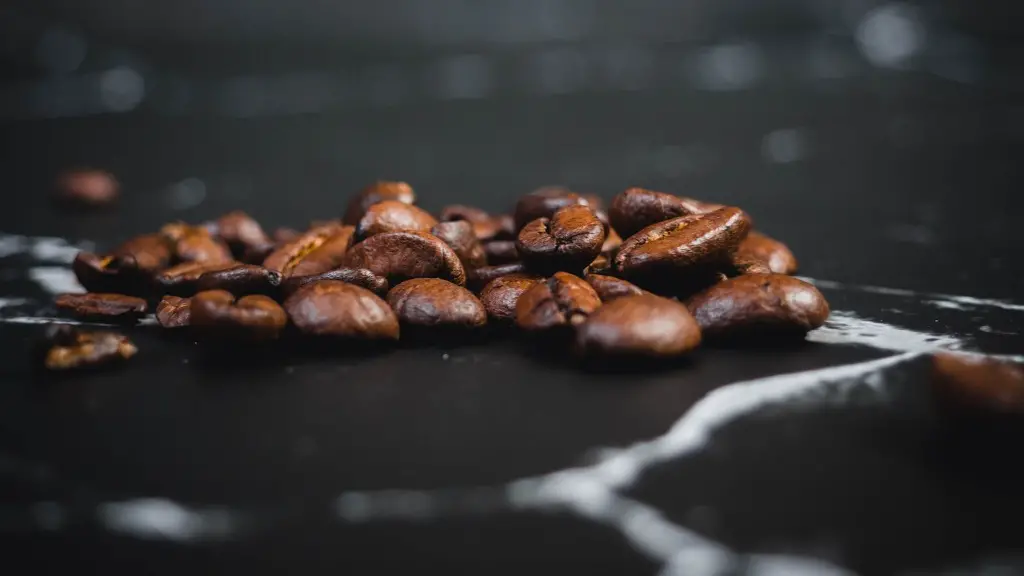
It is also important for coffee drinkers to become familiar with the two main types of coffee beans: Robusta and Arabica. Robusta coffee beans are typically darker in color and contain more caffeine than Arabica beans. Additionally, Robusta beans are typically more bitter in flavor and can sometimes contain a higher level of acidity. Conversely, Arabica beans are lighter in color and typically produce a smoother cup of coffee with less bitterness.
Choosing the Right Coffee for You
Get to Know Your Coffee
When it comes to choosing the right type of coffee for you, the most important thing to do is to get to know the various types of coffee available. It is important to note that the flavor and caffeine content can vary significantly from one type to the next. Additionally, some coffees may be better suited for specific brewing methods, such as espresso or French press. Understanding the various options can help you make an informed decision when it comes to selecting the right coffee for you.
Look for Quality Coffee Beans
When selecting a coffee, it is important to pay attention to the quality of the beans. High-quality beans can make all the difference when it comes to the flavor and aroma of the final product. To ensure you are getting the highest quality beans, it is best to look for those that are organic, fair-trade, and sustainably sourced.
Aim for Freshly Roasted Beans
It is also important to purchase freshly roasted coffee beans whenever possible. Coffee beans begin to lose their flavor and aroma soon after they are roasted, so it is best to buy freshly roasted beans if you want to get the best flavor. Additionally, freshly roasted beans can ensure that you are getting the most out of the coffee and can improve the likelihood of a successful brew.
Consider the Brewing Method
Finally, when it comes to selecting the right type of coffee, it is important to consider the brewing method you will be using. For example, espresso-based drinks require finely ground beans and often require very specific machines and techniques in order to brew properly. Additionally, using the wrong type of bean in a French press or pour-over brewing method can result in a terrible cup of coffee.
Brewing The Perfect Cup Of Coffee
Grinding the Beans
Once you have selected the right type of beans, the next step is to begin the brewing process. A crucial step in this process is grinding the beans. An appropriate grind size can make all the difference when it comes to achieving the perfect cup of coffee. Generally, espresso requires a very fine grind while French press and drip coffee require a more coarse grind.
Choosing the Right Water
Another important factor in the brewing process is the type of water being used. Generally, it is best to use filtered water as it can reduce the chances of sediment or other impurities making their way into your cup. Additionally, if you can, it is best to opt for spring or mineral water as it can drastically improve the flavor of the final product.
Pay Attention to Temperature
When it comes to brewing coffee, the water temperature is vital in ensuring the perfect final product. Generally, a water temperature of between 195°F to 205°F is ideal. Too hot or too cold of a water temperature can result in an off-flavor and can produce a bitter or sour cup of coffee.
Control the Time & Amount of Coffee
Once the water temperature has been established, the next step is to begin the actual brewing process. When it comes to brewing coffee, time and amount can have a huge influence on the final product. Generally, the more coffee you use, the stronger the flavor will be. Additionally, it is important to pay attention to the amount of time the coffee is left to brew. Depending on the coffee, you may want to leave it to steep for a certain amount of time to achieve an optimal flavor.
Common Mistakes When Brewing Coffee
Using the Wrong Grind Size
One of the most common mistakes when it comes to brewing coffee is using the wrong grind size. As mentioned previously, different brewing methods require different grind sizes in order to achieve the best flavor. If the grind size is too small or too large, it can result in over extraction or under extraction of the coffee, which can lead to an off-flavor and a bitter or sour cup of coffee.
Reusing Coffee Beans
Another mistake to avoid is reusing the same coffee beans multiple times. Over time, the flavor of the coffee will degrade and can lead to a less-than-ideal cup of coffee. Additionally, bacteria and germs can accumulate in the beans and make their way into the final product. Whenever possible, it is best to use freshly ground beans for each cup.
Not Cleaning Equipment Properly
Finally, it is important to pay attention to the cleanliness of the equipment being used. If the equipment is not properly cleaned, it can cause off-flavors, discoloration, or other problems with the final product. To ensure that your equipment is properly cleaned, it is best to refer to the manufacturer’s instructions and use the right type of detergent or cleaning solution.
Conclusion
When it comes to deciding at what age it is acceptable to start drinking coffee, the answer can vary depending on the individual and the caffeine content of the beverage. Ultimately, it is important to remember to limit caffeine intake, select quality coffee beans, and pay attention to the different types, grinding processes, and brewing methods available. Doing so can help ensure that you are getting the most out of your coffee and can help you achieve a perfect cup every single time.
