Health Benefits
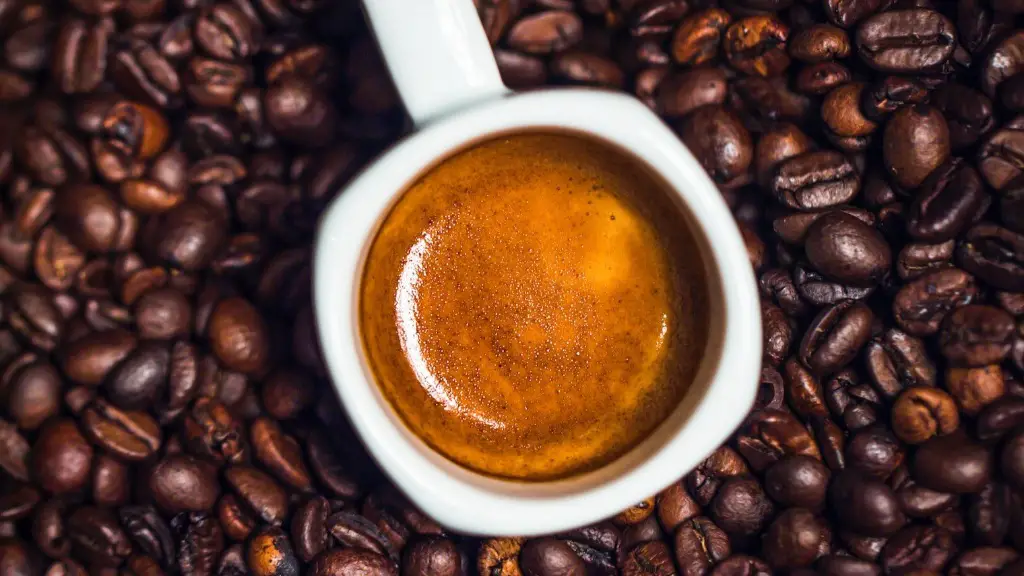
Decaf coffee is often viewed as unhealthy but it can actually be beneficial to health. Research shows that regular, moderate consumption of decaf coffee is associated with a reduced risk of chronic diseases such as cardiovascular disease, cancer and diabetes. Decaf coffee has been found to contain beneficial compounds like antioxidants, which can help to protect against disease. Moreover, the caffeine in decaf coffee is virtually eliminated, which may help to protect against possible ill-effects associated with excess caffeine consumption.
Caffeine Content
The amount of caffeine in decaf coffee is significantly lower than regular coffee, usually averaging at around 2-5mg per cup. This is much lower than the 75-100mg found in a cup of regular coffee. Decaf coffee has undergone a decaffeination process that removes over 97% of the caffeine content to make it safer for consumption and more palatable to those who dislike the taste or effects of regular coffee.
Taste & Texture
Decaf coffee is generally milder in taste and texture than regular coffee as the caffeine in regular coffee masks or overpowers the other notes present in the coffee. This can work to the advantage of decaf drinkers as it allows for deeper appreciation of the diverse flavours and aromas found in the coffee. Therefore, decaf coffee could be appreciated more than regular coffee in a hot cup, cold brew or even used in baking.
Mood Effects
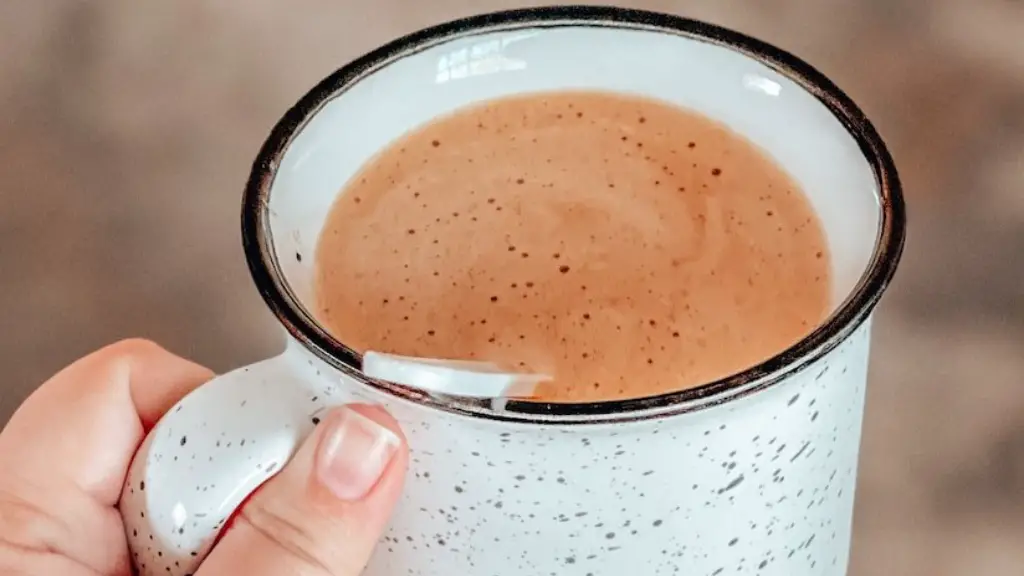
Although decaf coffee provides virtually no caffeine, some still experience mild mood effects from drinking it. This is likely due to its other active compounds, some of which induce calming effects. Therefore, decaf coffee might still help to promote wakefulness and alertness, though to a lesser degree than regular coffee. However, in combination with lifestyle and dietary factors, it could provide additional stimulation and boost mood.
Safety Concerns
As with any beverage containing an active substance, decaf coffee does have potential safety concerns that must be taken into account. Some have reported experiencing adverse side effects from drinking decaf coffee, though this is likely due to the variability in processing and quality control measures. Therefore, if you find yourself experiencing adverse side effects from decaf coffee, it may be best to avoid it or find a different brand.
Recommendations for Consumption
Overall, drinking decaf coffee can provide several potential health benefits. However, it is always important to keep in mind the safety concerns associated with caffeine consumption and ensure that one is consuming it responsibly. Generally, it is recommended to consume no more than four cups of decaf coffee per day and opt for a high-quality, fresh roasted coffee whenever possible.
Alternatives to Coffee
For those who wish to get a caffeine kick without coffee, there are several alternatives available. For example, some might find that green tea can provide a good pick-me-up without the crash caused by coffee. Alternatively, there are several beverages such as energy drinks and herbal teas that can provide a caffeine boost in different ways. It is important to research these alternatives to ensure that they are suitable for the purposes of public health.
Social Aspects
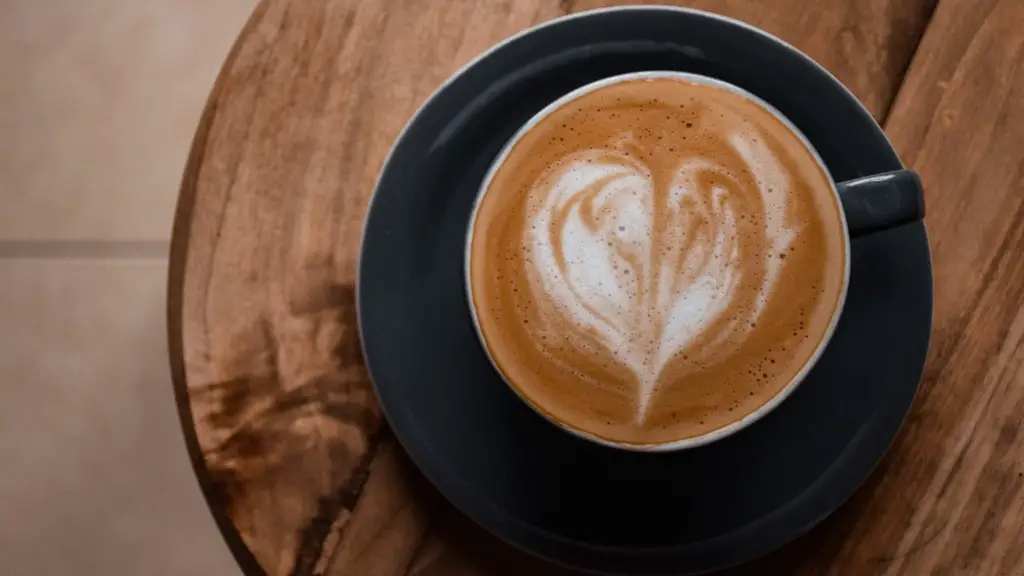
The popularity of coffee has spread in recent years and cafes now serve as social hotspots for friends and family. Ordering decaf can help to reduce exposure to caffeine and make sure that one doesn’t experience any unwanted side effects. It also provides an alternative to regular coffee, as it can be served in a variety of ways and can even provide unique flavours of its own.
Nutrition Content
An important difference between regular and decaf coffee is their respective nutrition content. Decaf coffee is significantly lower in sugar and contains almost no fat and carbohydrates, meaning that it can be safely supplemented with milk, cream or sugar without increasing health risks. Furthermore, it has been proposed that decaf coffee might even contain higher amounts of antioxidants, depending on the brand, making it a healthier choice.
Coffee Culture
Coffee has also become a staple beverage in many cultures and a cornerstone of many cuisines. Therefore, it is important to consider the many possibilities that decaf coffee can offer to those who wish to enjoy the taste and culture of coffee without the side-effects of caffeine. From blends to flavoured coffees, there are a plethora of decaf options for the gourmet coffee drinker.
Availability
Decaf coffee is widely available and can be found in many cafes, restaurants and stores. Furthermore, many brands now offer various blends and packages designed specifically for decaffeinated coffee. Some even offer decaffeinated versions of their most popular coffees and blends, which can be more convenient than brewing one’s own decaf from beans.
Address Health Concerns

For those looking to reduce their caffeine intake and consume a healthier beverage, decaf coffee is a viable option. Always make sure to research potential health concerns associated with consuming decaf coffee as caffeine-content can vary significantly. Additionally, it is always important to opt for a certified organic decaf coffee whenever possible.
Price Point
The price of decaf coffee is often higher than regular coffee, mainly due to the extensive decaffeination process and the added value imparted to the quality of the product. However, it is still worth considering compared to the cost of a regular cup of coffee. In some cases, even high-end decaffeinated coffees can be found for reasonable prices.
Environmental Impact
It is important to consider the environmental effects of decaf coffee in comparison to regular coffee. As the coffee is decaffeinated, there is usually a lower amount of water used during production and so there is less of an environmental impact. Furthermore, some companies use more sustainable methods of decaffeination, such as by using carbon dioxide or natural methods, which can reduce the amount of chemicals used in the process.
Sourcing Ethically
As coffee has become a global commodity, it is important to make sure that one’s coffee is ethically sourced and supports the communities that produce it. Decaf coffee can be sourced from the same plantations used for regular coffee and so one can still enjoy the same flavorful cup in the knowledge that their coffee is helping to support those communities.
Caffeine Alternatives
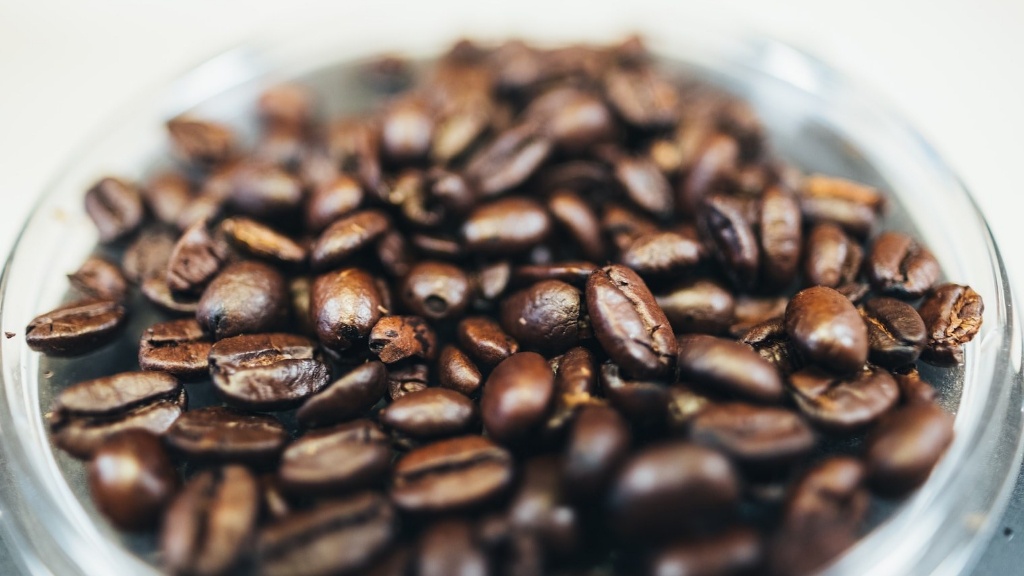
For those looking for an alternative to caffeine, decaf coffee is a viable option. It can provide a milder taste and texture than regular coffee as well as help to reduce one’s caffeine intake. However, it is important to consider alternatives to caffeine as some studies have claimed that it can increase levels of insulin resistance and disrupt normal metabolic functions.
Impact on Sleep Cycle
Decaf coffee can help to reduce the amount of caffeine consumed and so can help to avoid the disruption that too much caffeine has on the body’s sleep cycle. Consuming decaf coffee later in the day can still provide a pick-me-up without leading to disrupted sleep later on. Furthermore, when consumed in moderation, it can still provide a much-needed energy boost when required.
Preparation
There are several ways to prepare decaf coffee, all of which are relatively straight forward and can be easily done at home. These include drip-brewing, French-press, pour-over and espresso. Each preparation method has its own unique flavour and complexity, so it is worth experimenting with different preparations and tasting the nuances of the coffee.
Serving
Serving decaf coffee is no different than regular coffee, and it can be served hot, cold or even as espresso shots. One can also experiment by adding sweeteners, creamers, flavoured syrups or spices in order to create their own unique drink. Alternatively, it can also be incorporated into baking or used as a topping for ice cream.
Scientific Research

As with any beverage, it is important to understand the scientific studies and research behind its health benefits.The research suggests that decaf coffee can offer a variety of potential health benefits, including reduced risk of chronic diseases, lower inflammation and improved mood. However, it is important not to exceed the recommended daily intake as some studies have also suggested negative side effects with excess consumption.
Bottom Line
Drinking decaf coffee can have potential health benefits and can provide an alternative to regular coffee for those who are sensitive to the effects of caffeine. It is important to choose a high-quality, ethically sourced brand in order to enjoy the full flavours and aromas of the coffee. Furthermore, it is important not to exceed the recommended daily intake in order to experience the potential health benefits.
