
Coffee is one of the most beloved hot beverages and many of us drink it every day. Many people debate endlessly over the question of whether or not it is healthier to drink decaf or regular coffee. While it is commonly misunderstood as an easy answer, there is a lot more to consider when making this decision. In order to make a well-rounded decision, it pays to have all the facts straight.
There are some health benefits attributed to drinking coffee, if consumed in moderation. The active ingredients in coffee are called polyphenols, which have been shown to have antioxidant properties. Coffee also contains caffeine, which acts as a stimulant and can help reduce fatigue and improve alertness and focus. For those who are wondering about the health benefits of decaf coffee, research has suggested that even caffeine-free coffee offers some potential health benefits, such as the polyphenols.
When it comes to coffee and caffeine intake, it’s important to consider that everyone has different needs and preferences. For those who don’t mind the taste of decaf, it may be an ideal choice for any health concerns related to caffeine. On the other hand, for those who enjoy the flavor and energy boost of regular coffee, it is possible to put safeguards in place – such as limiting the amount of coffee consumed or drinking it in between meals – to minimize the side effects of caffeine.

It is also important to realize that while caffeine might have some health benefits, excess intake of it can have negative consequences. Caffeine is a stimulant, which can lead to elevated heart rate and blood pressure. Also, too much caffeine can cause headaches, anxiety, sleeping problems, and even dependence on the substance. Generally, it’s a better idea to opt for decaf if you are particularly sensitive to the effects of caffeine.
Furthermore, it should be noted that decaf coffee still contains a small amount of caffeine, usually between three and twelve milligrams per cup. So, for those looking for a completely caffeine-free drink, it would be better to opt for water or tea. At the same time, decaf coffee is still relatively high in acidity, as well as sugar and other compounds that can be detrimental to some people’s health.
To sum up, there is no definitive answer to whether or not it is healthier to drink decaf or regular coffee. It all comes down to personal preference and individual needs. However, there are some useful tips to keep in mind when making a decision. Regular coffee contains caffeine, but it also has some potential health benefits. Decaf coffee has a lower caffeine content, but can still be relatively high in acidity and other compounds. Ultimately, the choice is yours.
The Benefits of Drinking Coffee
While the debate between decaf and regular coffee is a hot topic, it’s important to remember that coffee still has a number of potential health benefits. Moderate consumption of coffee may reduce the risk of developing chronic diseases such as type 2 diabetes, Parkinson’s disease, and cardiovascular disease. Additionally, drinking coffee may help improve cognitive performance, alertness, and reaction time. Studies have also found that moderate consumption of caffeinated coffee may help reduce the risk of developing depression, Alzheimer’s, and some types of cancer.

It’s also important to note that coffee contains a number of beneficial compounds such as antioxidants, flavonoids, and magnesium. These compounds can have a positive impact on overall health, which means it’s a good idea to make sure you’re drinking either decaf or regular coffee with these beneficial compounds still present.
The Negative Side Effects of Coffee
In general, it’s important to remember that everything should be consumed in moderation; this applies to coffee as well. Too much coffee can lead to negative side effects such as insomnia, irritability, headaches, rapid heart rate, and restlessness. Additionally, some people may find the acidity in coffee to be particularly unpleasant. If this is the case, then it would be better to opt for decaf coffee.
It’s also important to note that too much coffee can lead to a significant reduction in athletic performance. This could be due to the fact that drinking too much coffee may cause dehydration, as well as a disruption of electrolyte balance. Additionally, some people may be particularly sensitive to the effects of caffeine, so it may be inadvisable to drink coffee at all if this is the case.
Opinions of Experts on Decaf Coffee
Some health professionals argue that decaf coffee might be the better choice, since it still contains the beneficial compounds with a much lower content of caffeine. Additionally, choosing decaf coffee can help ensure that you don’t consume too much caffeine, which can lead to potential health risks. On the other hand, some health experts argue that regular coffee is healthier because it contains more of the beneficial compounds. Ultimately, it’s important to consider your individual needs and do the research before making a decision.

That said, many experts agree that for the average person, drinking coffee in moderation can be beneficial for overall health. If you are sensitive to the effects of caffeine, then decaf coffee may be the best choice. Alternatively, if you enjoy the flavor and energy boost that regular coffee provides, then it is possible to enjoy it safely by limiting your intake and drinking it in between meals.
The Impact of Roasting on Coffee
It’s also important to consider that the roasting process of coffee has a significant impact on the flavor and the caffeine content. Generally, lighter roasts will have a higher caffeine content, while darker roasts will have a lower caffeine content but a stronger, more robust flavor. It’s worth noting that the roasting process can destroy some of the beneficial compounds in coffee, such as the antioxidants. So, it may be a better idea to opt for a lighter roast if possible.
On the other hand, darker roasts may have a greater impact on the flavor, making them a more desirable option for some. It’s important to keep in mind that darker roasts can also be excessively acidic, so it’s important to make sure you’re not drinking too much. Additionally, darker roasts tend to be bitter, which can be off-putting for some.
How to Choose the Right Coffee
When it comes to choosing the right type of coffee, it’s important to consider your individual preferences and needs. If you’re particularly sensitive to the effects of caffeine, then you may want to opt for decaf. Alternatively, if you enjoy the flavor and energy boost that regular coffee provides, then it is possible to enjoy it safely by limiting your intake. Additionally, pay attention to the roasting process of the coffee, as this can have a significant impact on the flavor and the caffeine content.
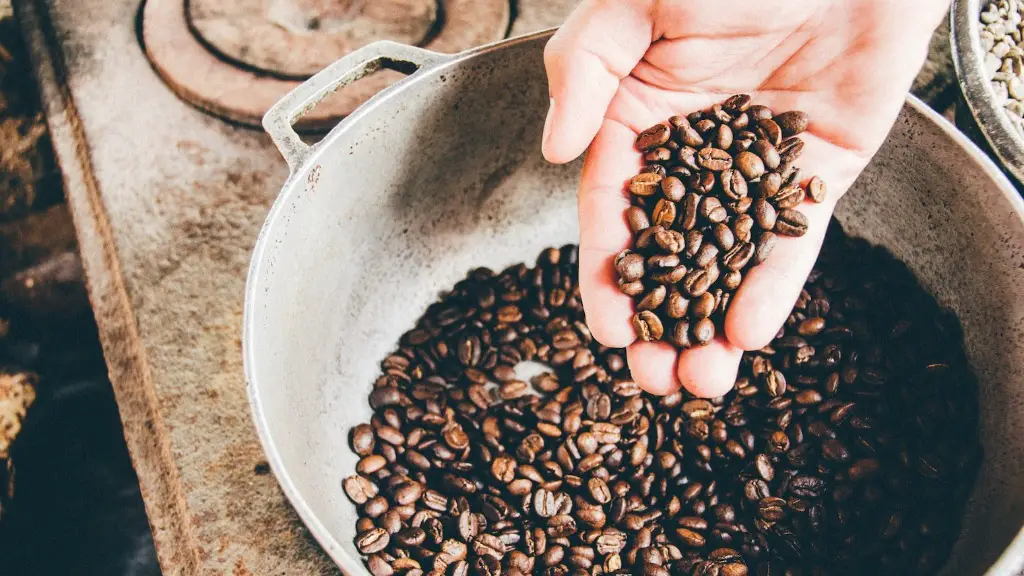
It’s also important to take into account the origin of the coffee, as this can provide you with insight into its flavor notes and the techniques used for cultivation and processing. Some regions produce specific flavor profiles, such as the vibrant citrus flavors of Yirgacheffe or the fruity and floral notes of Ethiopian coffee. Additionally, some regions use specific processing methods, such as wet-processing or dry-processing, which can also impact the flavor.
Tips for Enjoying Coffee Healthily
Finally, here are some tips for how to consume coffee responsibly and enjoy it without putting your health at risk. Limit your intake of coffee to two to three cups a day, and try to drink it in between meals rather than on an empty stomach. Avoid adding large amounts of sugar, as this can significantly increase the acidity of the coffee. Plus, be aware of the potential for dependence on the substance and watch out for any signs of an adverse effect.
It’s also a good idea to track your caffeine intake so you know exactly how much you’re consuming. Additionally, if you’re looking for an entirely caffeine-free alternative, then consider switching to tea or opting for natural decaffeination methods such as the Swiss Water Process.
