
Coffee ranks as one of the world’s most popular beverages, and for good reason. It offers powerful antioxidant benefits, energizing effects and potentially a host of other positive health effects. But should women abstain from drinking coffee during their periods? The short answer is that research is mixed, and to be on the safe side, you may want to limit your consumption. Here’s what you need to know.
Caffeinated beverages, such as coffee, contain compounds such as caffeine and polyphenols, which can offer some health benefits. For example, caffeine consumption has been shown to boost alertness, reaction time and overall mood. Furthermore, polyphenols in coffee have very powerful antioxidant properties, which may help protect against several diseases.
Does Coffee Have An Affect On Periods?
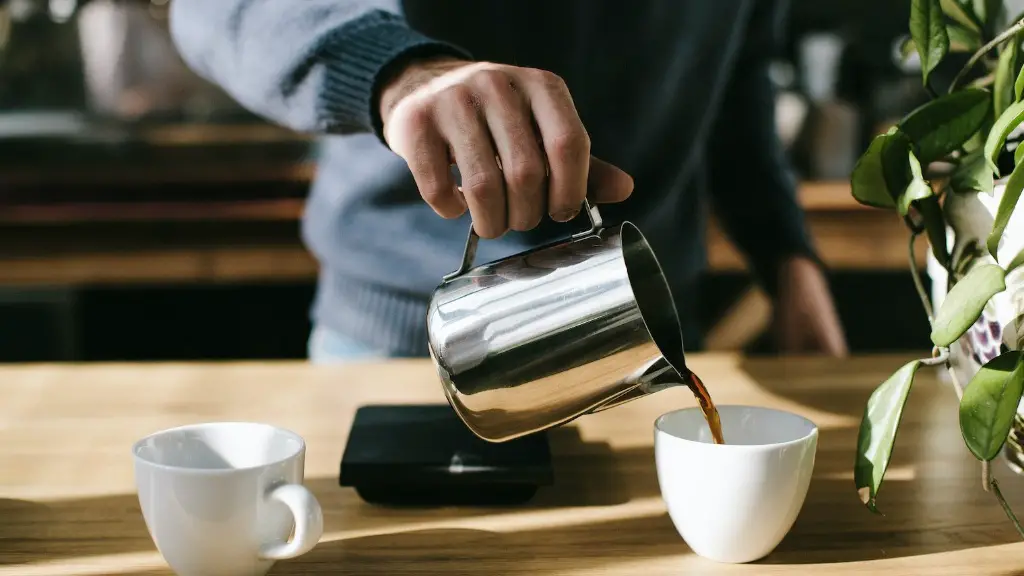
Anecdotally, some women report their periods become worse when they consume caffeine-containing beverages and are better off without them. Additionally, diets heavy in caffeine and sugar have been linked with disrupted hormone balances, leading to worsened and/or longer-lasting periods in some cases.
Nevertheless, scientific research has largely failed to find a connection between caffeine consumption and negative menstrual effects. In a 2013 study, over 400 female participants reported no difference in menstrual pain when comparing caffeine intake to caffeine abstention. Similarly, in a study of over 68,000 nurses, researchers found no important associations between caffeine and premenstrual symptoms.
Nonetheless, these findings should be interpreted with caution. It is possible that subtle changes in hormone balance could occur, leading to altered periods, and research has yet to uncover the effects of coffee on women’s health. Thus, limiting your coffee consumption may be wise, especially if you are experiencing severe menstrual pain.
Effects On Sleep
Caffeine is widely known to increase alertness, though it can also have a detrimental influence on sleep behavior and quality. Consuming coffee too late in the day can disrupt normal sleeping patterns, leading to issues such as insomnia and disturbed sleep. In fact, a 2016 review noted that drinking coffee too late in the day can have a negative effect on sleep quality, potentially leading to an increased risk of health problems.
For women experiencing sleep problems due to premenstrual symptoms, aggravating the situation with caffeine may be undesirable. Excessive consumption could cause further sleeping disruptions, making premenstrual issues worse.
Not only can caffeine consumption make sleeping more difficult, but carrying too much weight during the luteal phase of the cycle — the two weeks before the start of a period — can also disrupt sleeping patterns. Further, too much cortisol, which is secreted in response to stress, can make sleeping difficult. Caffeine can increase cortisol levels, so it is possible that high levels of cortisol due to coffee consumption could be making sleep more difficult for some women.
Therefore, it is important to consider the potential influence of caffeine on sleep, especially if feeling overly anxious or stressed during your period.
Benefits Of Moderate Caffeine Intake
On the other hand, moderate caffeine consumption can provide several benefits. In one study, regular intake of around two to three cups of coffee per day was associated with reduced levels of depression in both premenopausal and postmenopausal women. This effect was independent of lifestyle and other dietary factors.

Moreover, moderate caffeine consumption may help improve physical performance, too. This could be beneficial for those looking to stay active during the premenstrual period, when low physical and mental energy levels can be common.
A few other studies have investigated the potential of caffeine to improve physical performance, mental focus and even reduce the risk of certain chronic diseases. While regular consumption is best in order to gain any of these benefits, drinking black coffee during your period may have an energizing and mood-enhancing effect.
The Bottom Line
Coffee is a staple beverage around the world and can offer some health benefits, including reduced depression and improved physical performance. However, research is mixed on whether or not caffeine consumption makes periods worse.
Although some anecdotal evidence suggests that periods can be worse with high caffeine consumption, scientific research has yet to find important associations.

Nevertheless, combining caffeine with premenstrual symptoms may aggravate sleep disruption and further impair physical and mental energy production. Thus, it may be a good idea to abstain from caffeine during this time or limit your intake to one to two cups of coffee per day.
Effects On Weight
Caffeinated beverages, such as coffee and soda, have no calories. That said, depending on what you add to your coffee or other drinks, the resulting calorie content, sugar content, and carbohydrate content all increase.
For women concerned about weight gain around their periods and looking to limit weight gain throughout the month, moderating caffeine intake could be beneficial. Coffee and other caffeinated beverages may contain large amounts of sugar and other sweeteners, while black coffee is a zero-calorie option and healthier alternative.
Effects On Anxiety
Anxiety and stress are common during the luteal phase of the menstrual cycle and can be aggravated by high caffeine consumption. In a 12-week study, participants who drank more than the equivalent of one cup of coffee per day experienced significantly increased levels of anxiety.

In contrast, those who consumed less reported improved feelings of anxiety, meaning that reducing coffee consumption may also reduce feelings of stress and anxiety during the premenstrual period.
Interactions With Supplements
Taking certain supplements may increase or decrease the effects of coffee and caffeine, depending on their individual effects. For example, certain supplements could reduce the effects of caffeine, while others, such as St. John’s wort, an herb used to treat anxiety and depression, may increase those effects.
In one study, St. John’s wort was found to increase the half-life of caffeine in the body, meaning it took twice as long as it would normally to break down and to excrete. Thus, supplementing with certain beneficial compounds while consuming coffee or other caffeinated beverages may be beneficial for some.
How To Eat Healthy Around Your Periods
Making sure your diet is in good condition during your periods could be beneficial for a variety of reasons. Eating healthy foods, such as whole grains, fruits and vegetables, lean proteins and healthy fats, can provide plenty of energy and help reduce menstrual symptoms.
Keep an eye out for hidden sugars and other unhealthy ingredients in common foods, such as cereals and snacks. Limiting your consumption of caffeine, alcohol and processed foods may also be beneficial for overall health and wellbeing.
Incorporating exercise into your day can help support hormone balance, improve digestion and offer pain relief. Additionally, sticking to a regular sleep schedule can help improve sleep quality, mood and reduce stress levels.
Takeaway
Coffee can offer a variety of health benefits, including improved alertness and reaction time. However, drinks containing caffeine may have a detrimental influence on periods, sleep and anxiety levels. For this reason, it may be wise to limit your consumption by avoiding caffeinated beverages during your premenstrual period and sticking to one to two cups of black coffee per day, if any.
On the other hand, eating a healthy and balanced diet and exercising regularly can provide many benefits. Supplementing with certain beneficial compounds may offer additional advantages. Ultimately, it is important to experiment and to find what works best for you.
