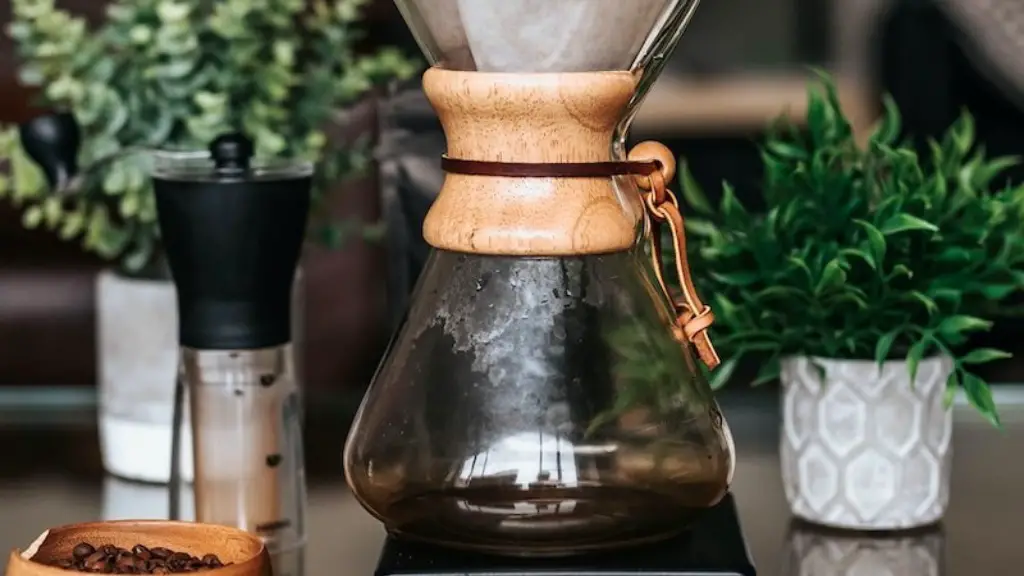
Coffee, a favorite beverage and morning ritual of many expecting mothers, but should pregnant women be drinking it? Studies suggest that a pregnant woman can safely consume moderate amounts of coffee, but there might be some potential harm that comes with it.
As with any potential change to a pregnant woman’s diet, it is typically best to consult a medical professional in order to determine the safest course of action for both the mother and the developing fetus. However, it is interesting to consider what research has to say about this commonly enjoyed beverage.
Statistics from the Centers for Disease Control and Prevention (CDC) estimate that over 93% of pregnant women drink some form of caffeine. While the National Institutes of Health (NIH) suggests pregnant women consume no more than 200 milligrams (mg) of caffeine, the equivalent of one cup of coffee, per day.

According to experts, gynaecologists, when consumed in moderation, moderate amounts of caffeine have been found to be safe for pregnant women. Coffee, like other caffeinated beverages, contains small amounts of caffeine, which can help keep pregnant mothers alert and energized during their nine-month journey. Furthermore, caffeine can help to reduce nausea—an often unwelcome side effect of pregnancy.
Despite the benefit of potentially reducing nausea, there may be potential harm associated with high levels of caffeine consumption during pregnancy. High caffeine intake in mothers have been associated with an increased risk of miscarriage and lower birth weights in infants.
Fortunately, research tells us that consuming moderate amounts of caffeine can keep both mother and baby healthy. A study conducted by the Harvard T.H. Chan School of Public Health found that pregnant women consuming the equivalent of two cups of coffee daily had a lower risk of stillbirth compared to those drinking no caffeinated coffee.
For those wanting to be extra cautious, there are still some alternatives that can be used instead of coffee. Tea, decaffeinated coffee, sparkling water, and herbal infusions are just some of the low-or-no-caffeinated drinks pregnant women should consider that won’t leave them feeling deprived.
Caffeine And Its Potential Impact On Fetal Development

When considering caffeine consumption during pregnancy, potential effects on fetal growth and development come to mind. Potential effects may range from how caffeine consumption impacts the baby’s heart rate to whether it affects their physical development. According to Medical News Today, research has found that caffeine does not increase the rate of fetal heart problems or physical birth defects.
However, aside from physical effects, caffeine consumption during pregnancy has also been seen to potentially affect cognitive development in the baby. Some studies suggest that moderate to high amounts of caffeine consumption may negatively affect the baby’s IQ once they are born.
Although results from some studies suggest a potential decrease in IQ related to high caffeine consumption during pregnancy, other studies have disproven this finding. Ultimately, when it comes to cognitive development and intellectual ability in infants, there is no scientific consensus at this time.
Determining Safe Caffeine Intake During Pregnancy
When assessing the safety of caffeine consumption during pregnancy, the type of coffee or beverage consumed is an important factor to consider. For instance, some lattes or cappuccinos contain higher amounts of milk and sugar, and can contain up to 150 mg of caffeine per serving. Therefore, an expecting mother should take special care to be aware of the type of coffee and beverage she is drinking and whether that brand of beverage contains a higher amount of caffeine than expected.

Fortunately, there are reports for expecting mothers to follow when considering their caffeine intake during pregnancy. The American College of Obstetrics and Gynecology suggest that pregnant women consume no more than 200 mg of caffeine per day. This amount is considered a moderate intake, and the equivalent to one cup of coffee per day.
Coffee Alternatives For Pregnant Women
For those women wanting to avoid caffeine intake completely during their pregnancy, there are a number of coffee alternatives available. Decaffeinated coffee is one such option, and although it still contains a small amount of caffeine, the amount is significantly less than regular coffee.
Other caffeine-free options for pregnant women include herbal teas and sparkling water, although many of these drinks still contain trace amounts of caffeine due to the extraction process.
These alternatives can be beneficial for expectant mothers, in that they still provide the energy boost that is essential for pregnant women, without the potentially harmful side effects of consuming large amounts of caffeine.
Conclusion of Benefits of Coffee During Pregnancy

Based on the information presented, it appears that pregnant women can indeed safely consume coffee, so long as it is done in moderation. Those wanting to be especially cautious may opt for decaffeinated coffee or other alternatives, to further limit the amount of caffeine they consume.
Ultimately, the potential benefits of caffeine can outweigh the risks when caffeine is consumed in moderation. Therefore, it is important to talk to a medical professional before consuming caffeine in any form, to ensure the safety of both the mother and developing baby.
