
Coffee is a popular morning ritual for many, pregnant or not. While it can be incredibly beneficial for energy, focus and alertness, what effects does it have on pregnant women? Research has found that there is no clear scientific consensus on the issue of drinking coffee while pregnant, although there tends to be a tremendous degree of caution.
Most experts agree that drinking coffee during pregnancy is a personal choice. While there is no definitive answer about how much might be too much, most will recommend women to limit their intake to 200 milligrams or fewer of caffeine each day, which equates to about 12 ounces of brewed coffee. It’s considered safe to imbibe 150 to 300 milligrams of caffeine during this period.
There is some evidence that drinking too much caffeine during pregnancy can contribute to a higher risk of miscarriage. Furthermore, according to a study conducted by the National Institutes of Health, heavy consumption of coffee — at least four cups per day — may increase the risk of premature delivery. The authors say that more research is required before any firm conclusions can be drawn.

Other potential dangers of drinking coffee while pregnant include the risk of lower birth-weight, and the fact that pregnant women who drink a lot of coffee tend to be in poorer health overall, compared to women who consume only small amounts. It’s also been linked to higher blood pressure and palpitations, as well as anxiety and difficulty sleeping.
As well as caffeine, coffee also contains antioxidants which can be beneficial if consumed in moderation. However, it’s important to remember that coffee isn’t a substitute for a nutritious diet during pregnancy.
Ultimately, the best person to advise you on how much coffee to drink during pregnancy is your doctor or midwife. They will be able to provide the latest and safest advice for you, based on your individual needs.
Alternatives to Coffee
Pregnant women who enjoy the taste of coffee, but wish to avoid the risks of caffeine, have a number of alternatives to choose from. Many coffee-substitutes exist on the market, such as chicory, rooibos, yerba mate and even herbal decaffeinated tea. There are also a number of store-bought decaffeinated coffee alternatives which offer a milder caffeine-free taste like that of traditional coffee.
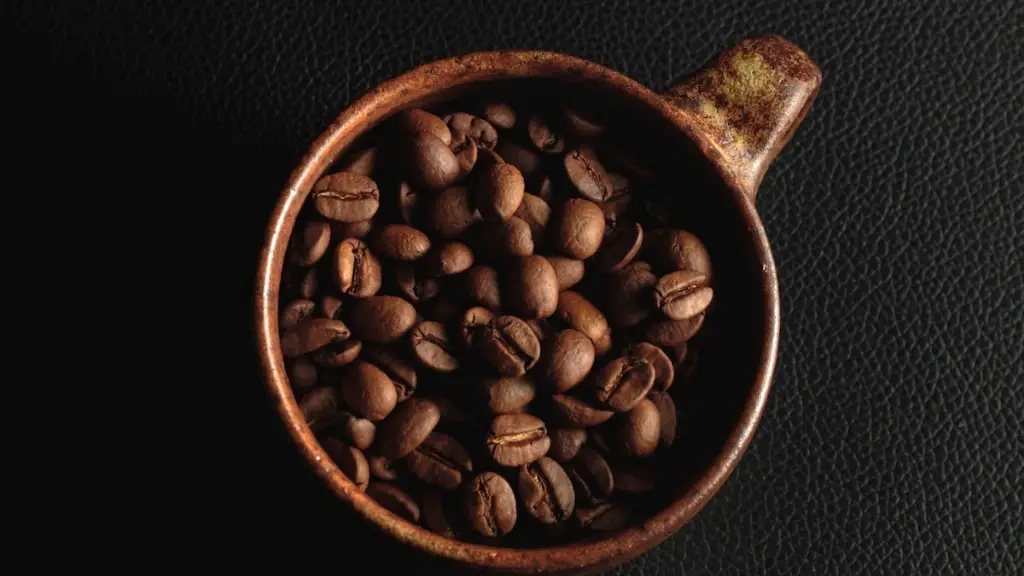
Chicory is one of the more popular alternatives to regular coffee, and contains a host of active ingredients which can be beneficial to the health of pregnant women. For example, it contains inulin – a prebiotic fiber which helps stimulate the growth of beneficial bacteria in the gut; and inulin-fructosyltransferase, which helps to regulate the absorption of fats and glucose. It also contains choline, which is important for the healthy development of a baby’s brain.
Another popular choice is herbal decaffeinated tea. This type of tea usually contains medicinal herbs such as ginger, chamomile, and peppermint. The herbs may help to reduce the amount of nausea and heartburn experienced by many pregnant women.
It’s important to note that most of these alternatives don’t contain any caffeine, but some do contain trace amounts, so it’s always best to consult with your doctor before consuming any type of coffee substitute.
Side Effects
Although there is no consensus about the effects of drinking coffee when pregnant, some women may experience an increase in their heart rate, nausea, anxiousness, or restlessness. These are normal side effects that are usually temporary, and can be managed by reducing caffeine intake and taking frequent breaks. It’s also important to note that everyone has a different metabolism and tolerance, so the amount of coffee consumed while pregnant should be adjusted to the individual.

For women who experience more severe side effects such as nausea, headaches, heart palpitations and anxiety, cutting back on coffee slowly may help. This is especially true during the first trimester when the unborn baby is most vulnerable to any adverse effects. Reducing intake gradually can usually help to alleviate these symptoms and make it easier for the mother to manage her caffeine intake.
Tips For Avoiding High Levels Of Caffeine
One of the most important things to keep in mind when drinking coffee, or any other caffeinated drinks when pregnant, is to be aware of the caffeine content. Not all coffee is the same, and different types have different levels of caffeine, so it’s important to check the label and choose accordingly. It’s also important to bear in mind that many pre-packaged drinks—such as coffee-flavored ice cream and coffee-flavored milkshakes—may also contain caffeine.
To limit caffeine intake, opt for drinks containing lower levels of caffeine, such as instant coffee, decaffeinated coffee, or tea. As well as controlling caffeine consumption, pregnant women should also be aware of their overall diet and exercise routine, both of which can help to reduce the effects of caffeine.
Final Recommendations
Coffee consumption during pregnancy is a personal decision and should be discussed with your doctor or midwife to form the best strategy. All pregnant women should be aware of the risks of drinking too much coffee, but also the potential benefits. This means bearing in mind that caffeine can be beneficial for energy, focus and alertness, but should be managed carefully and in moderation.

If you’re pregnant and are finding it difficult to cut down on coffee, speak to your doctor about alternative energy sources, such as exercise and healthier food choices. They can also provide advice on managing any symptoms or side-effects from caffeine consumption.
