
Coffee has been enjoyed by billions of people for centuries, but does it also have an impact on our liver health? While health professionals and experts have disagreed on this for many years, the answer is yes and no – it all depends on how much you drink.
Part of the reason why there are no definitive answers on the impact of coffee on the liver is because of the small number of large-scale studies that have been published. Many of them focus on the effects of alcohol consumption, while others that have examined the effects of coffee on the liver are limited in size.
However, moderate coffee consumption, up to three cups per day, has been linked to improved liver function in multiple studies. In particular, coffee drinkers have been found to have lower levels of inflammation due to its antioxidant properties. Additionally, coffee has been shown to reduce levels of liver enzymes which may indicate a healthier liver.

However, while coffee has clear benefits when consumed in moderation, too much of it can cause harm to the liver. Heavy drinking, defined as more than four cups per day, is linked to an increased risk of developing liver diseases such as cirrhosis and fatty liver. Moreover, drinking coffee is also known to provide other unhealthy substances such as sugar, artificial sweeteners and additional calories, as it is usually consumed with cream and sugar.
Overall, the effects of drinking coffee on the liver are complex and depend largely on the individual and their lifestyle. For those who are healthy, up to three cups per day can provide benefits, while for those with pre-existing liver diseases, experts recommend avoiding coffee altogether.
Effects of Coffee on Liver Function
Coffee is known to have a number of beneficial effects on liver function, particularly when consumed in moderate amounts. In a study of over 3,000 participants, it was found that those who drank up to three cups of coffee per day had lower levels of liver enzymes and lower levels of inflammation. Moreover, those who drank more than four cups per day were found to have increased risk of developing cirrhosis and fatty liver.
This demonstrates that the key to enjoying the beneficial effects of coffee on the liver is moderation. While having up to three cups a day can provide health benefits, having more than four can be harmful. Additionally, it is important to note that the effects of coffee can be different for people with pre-existing liver diseases, who may be advised to avoid coffee altogether.
Type of Coffee
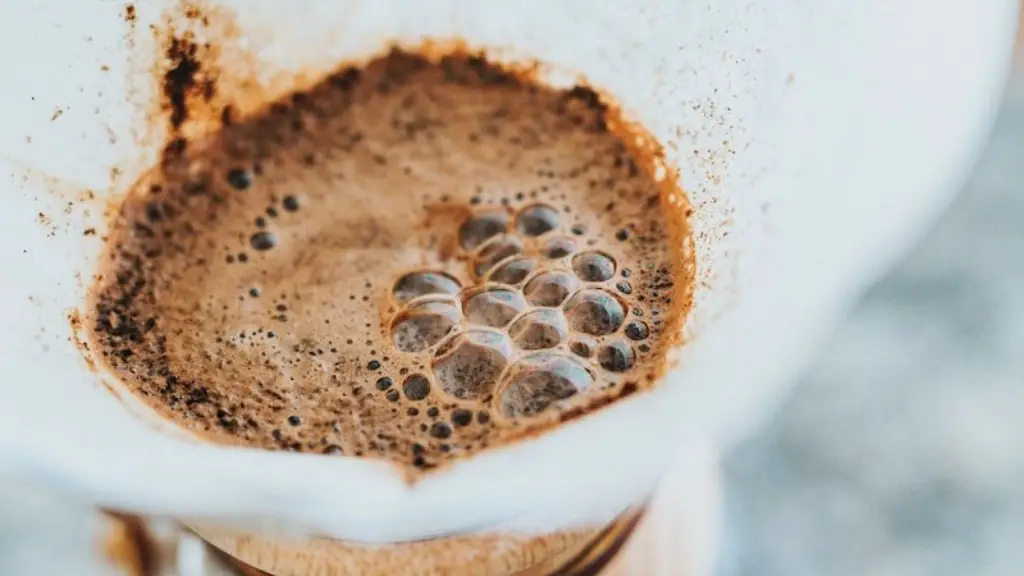
In addition to considering the amount of coffee consumed, it is also important to consider the type of coffee. For those who are looking for the healthiest way to enjoy coffee, experts recommend choosing an organic, ethically sourced brand that is low in caffeine. Regular coffee beans are known to contain higher levels of caffeine, pesticides and other unhealthy compounds, which can be damaging to the liver.
Switching to healthier, organic coffee beans can not only help improve liver health, but may also provide antioxidant benefits, boosting metabolism and aiding in weight loss.
Other Benefits of Coffee
In addition to its potential benefits for the liver, coffee is also known for numerous other benefits. Studies have found that coffee can help improve mental alertness and focus, as well as aiding with digestion and mood regulation. Additionally, coffee has been linked to a reduced risk of developing type 2 diabetes and some types of cancer.
Overall, drinking coffee can provide numerous health benefits, provided it is consumed in moderation. For those looking to enjoy the benefits of coffee in a healthier way, it is recommended to switch to organic, ethically sourced brands and reduce caffeine consumption by choosing lower-caffeine beans.
Things to Consider

Despite the potential benefits of drinking coffee, there are some things to consider before adding it to your daily routine. Firstly, those with pre-existing liver conditions may be advised to avoid coffee altogether, so it is important to consult with a doctor before making any changes to your diet. Secondly, it is important to drink coffee in moderation and to avoid having more than four cups per day.
Finally, for those looking to enjoy the health benefits of coffee, it is important to consider the type of coffee. Organic, ethically sourced coffee is typically lower in caffeine and other harmful compounds, and may provide additional antioxidant benefits.
Effects on Young Adults
The effects of coffee on young adults are largely unknown, as the majority of studies have focused on those over the age of 40. However, experts believe that coffee may provide the same benefits for younger people when consumed in moderation. Additionally, coffee may have an energizing effect on young adults, due to its caffeine content.
It is important to note, however, that coffee is not recommended for those below the age of 18, as it affects the body differently and can cause health issues such as insomnia. Moreover, coffee is known to be addictive, so it is important not to rely on it too much.
Coffee and Weight Loss

Coffee is often touted as a weight loss aid, with many experimenting with coffee or supplementing with coffee beans in an effort to lose weight. However, while it has been found to boost metabolism and increase fat burning in multiple studies, the potential benefits of coffee for weight loss are largely dependent on the individual and their lifestyle.
Most importantly, coffee does not replace a healthy and balanced diet, and will not have any effect on weight loss if it is consumed with added sugar and cream. Moreover, excessive consumption of coffee can lead to other health problems, such as anxiety and insomnia, so it is important to use it in moderation.
Coffee Synthetic Substitutes
In recent years, more and more people have been turning to coffee substitutes in an effort to reduce their caffeine consumption and avoid the possible negative effects of coffee. These substitutes are typically made from natural, plant-based ingredients such as roasted barley, chicory root, dandelion root and carob.
These substitutes are usually higher in antioxidants than regular coffee, and may even provide additional health benefits such as aiding digestion. However, it is important to note that these synthetic substitutes are not a replacement for coffee, as they tend to lack some of the flavor and fall short in terms of taste.
