
The Benefits of Drinking Coffee Daily
Drinking coffee daily can be an enjoyable and beneficial experience for those looking for more energy, mental clarity, and even some health benefits. Coffee contains caffeine, a natural stimulant and thermogenic substance known for its energizing, mood-enhancing, and fat-burning qualities. Studies suggest that drinking coffee may have several health benefits including improving focus, cognition, and helping to protect against certain chronic diseases. Coffee has also been linked to reduced fatigue and general improvements in physical and mental performance.
For many, coffee is a favorite part of their morning routine. Research suggests that the beneficial effects of caffeine can extend far beyond the morning hours and last into the evening. In order to get the most out of the positive benefits associated with drinking coffee, it is important to practice moderation. A moderate amount of caffeine can provide alertness, increased energy, and improved concentration while too much can cause jitteriness, sleeplessness and dehydration.
For those looking to reap the benefits of drinking coffee daily, there are a few important tips to keep in mind. First, it is important to pay attention to the timing and amount of your caffeine intake. Avoid drinking too much caffeine too late in the day as this could interfere with your ability to fall asleep and could lead to sleep disturbances. Additionally, it is important to pay attention to the way you take your coffee. Adding excess sugar and dairy products can add unwanted and unnecessary calories to your morning cup that can quickly add up.

Despite the potential positive benefits that can come with drinking coffee daily, it is important to remember that it is not for everyone. Individuals with certain health conditions and medical concerns should avoid or significantly reduce the amount of caffeine they consume each day. Additionally, pregnant and nursing women should consume caffeine with caution and should speak to their healthcare provider about the appropriate amount.
The Nutrients Found in Coffee
In addition to caffeine, coffee also contains numerous beneficial plant compounds and nutrients. Coffee beans are packed with antioxidants such as polyphenols, flavonoids, chlorogenic acids and more. These antioxidants help to protect the body from cell-damaging free radicals that can increase the risk of certain diseases. Additionally, coffee also contains numerous essential nutrients, such as magnesium and vitamin B-5. All of these compounds have been linked to numerous health benefits, making coffee a nutrient-rich beverage.
But drinking coffee is not just about the caffeine; it is also about the numerous other nutrients found in coffee. For example, polyphenols are antioxidants that have been linked to improved heart health and a decreased risk of diabetes. Regularly drinking coffee also provides the body with magnesium, a mineral important for maintaining strong bones, healthy blood pressure and better sleep. In addition to these beneficial compounds, coffee can also provide a small amount of Vitamin B-5, which helps to regulate energy metabolism, neurotransmitter synthesis and plays an important role in our immune system.
Coffee is not only packed with beneficial compounds, but it is also low in calories. When consumed in moderation, coffee can provide the body with a healthy and energizing source of natural energy. For those looking for an enjoyable way to get the nutrients their bodies need, coffee is an excellent choice.
Buying and Storing Coffee

When it comes to finding the right coffee, there are many choices available. Many coffee drinkers prefer to make their coffee at home, buying freshly-roasted coffee beans and brewing the coffee to their liking. This is certainly the best way to enjoy fresh, quality coffee. It is important to remember that coffee begins to lose its freshness and flavour hours after it is roasted, so it is best to buy small amounts of coffee more often.
Additionally, coffee should be stored in a cool, dark place and should not be kept in the refrigerator. Storing the beans in an airtight container away from moisture, sunlight, and heat will help to ensure they stay fresh for longer. Finally, when brewing coffee, aim to use filtered water that is free of impurities as this can affect the taste and quality of the coffee.
Brewing Coffee
When it comes to making great tasting coffee, grinding fresh coffee beans right before you brew is key. For the best results, use a burr grinder to ensure a consistent grind size and avoid electric blade grinders. Use freshly ground coffee beans and try to avoid pre-ground coffee when possible.
In order to make a great cup of coffee, you should also pay attention to the type of brewer you are using. Different brewing methods call for different levels of grind size and extraction time. For example, espresso requires a finer grind than does a French press. Additionally, consider the size and quantity of coffee that you are using. A good ratio is one tablespoon of ground coffee per six ounces of water. Experiment with different brewing methods and brewing ratios until you find the one that works for you.
Making Alternatives to Traditional Coffee
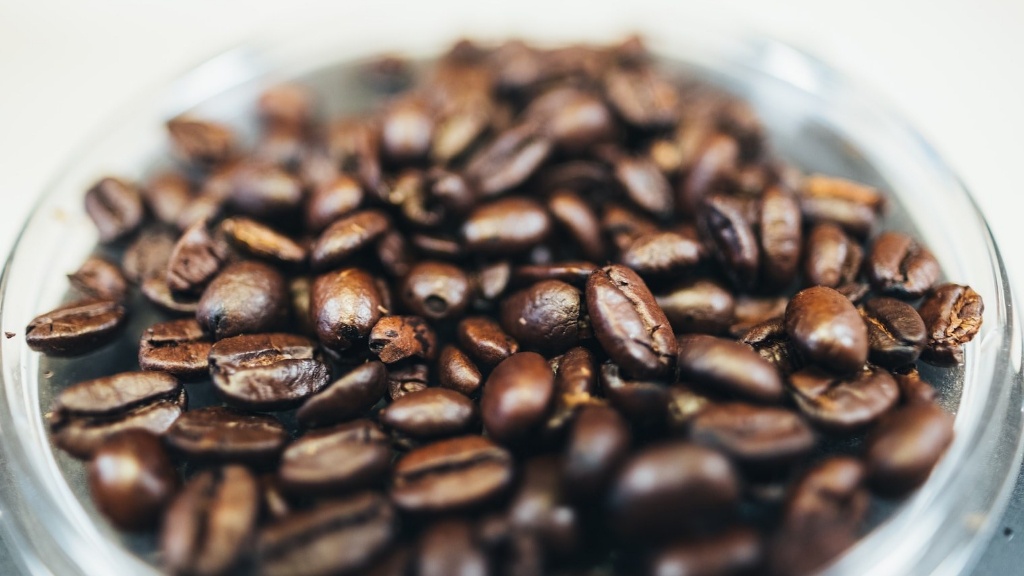
If you prefer to avoid the caffeine found in traditional coffee, there are a few alternatives. Cold brew and decaf coffee are great options. Cold brew is made by steeping coffee grounds in cold water for 12-14+ hours. This process creates a smooth and naturally sweet iced coffee concentrate that doesn’t have the bitterness of a traditionally brewed cup. Decaf coffee is also a great choice; it is made the same way as regular coffee but with the caffeine removed.
For those looking for a caffeine-free alternative, there are a few all-natural herb-infused coffee alternatives. Dandelion coffee is a popular choice, as is chicory root. Both provide an earthy, nutty, and naturally sweet flavour. These all-natural alternatives can be a great way to continue to enjoy the deliciousness of coffee without the caffeine.
Benefits of Drinking Coffee for Exercise Performance
Coffee’s natural stimulant, caffeine, has been studied for its effects on exercise performance. Caffeine is known for its ability to increase energy, alertness, and focus, as well as reduce fatigue. Research indicates that moderate amounts of caffeine can improve exercise performance, particularly during endurance-based activities. Specifically, studies have found that caffeine can reduce perceived exertion and increase fatty acid breakdown, which may improve exercise performance.
Coffee has also been found to have ergogenic benefits on strength and anaerobic performance. Studies have indicated that when taken before exercise, moderate amounts of caffeine can increase muscle contractility, improve reaction time, and potentially improve anaerobic performance. Those looking to reap the potential benefits of caffeine in coffee should experiment with different timing and doses to find what works best for them.

Although it is thought to be beneficial for certain types of exercise, it is important to mention that moderate caffeine intake is not stimulatory for all physical activities. In fact, too much caffeine can result in nervousness, anxiety, and even dehydration. Additionally, when taken in high doses, caffeine can interfere with sleep. So it is important to pay attention to the amount of coffee consumed and the type of exercise being performed.
Conclusion
Drinking coffee daily can be an enjoyable and enjoyable experience that has numerous potential health benefits. The numerous beneficial plant compounds and nutrients in coffee make it a nutrient-rich beverage, while the natural stimulant caffeine can increase alertness, energy, and even improve physical and mental performance. Although coffee is beneficial to many, it is important to practice moderation and to keep in mind the type of exercise being taken on so that potential side effects can be minimized. Ultimately, drinking coffee daily can be a delicious way to get the nutrients our bodies need.
