Health risks associated with drinking coffee while pregnant
Taking care of oneself while pregnant often requires changes to one’s lifestyle and habits. Research shows that expecting mothers should be aware of health risks associated with drinking coffee while pregnant. As coffee consumption is widespread and even elevated during pregnancy, this is an essential topic of discussion. Knowledge of potential risks can help pregnant women make educated decisions concerning their consumption.
The caffeine present in coffee has been the target of numerous studies regarding its consumption while pregnant. Caffeine is known to cross the placental barrier, which separates the mother from her baby—meaning that an expecting mother’s consumption of coffee can affect the baby’s system. The American Congress of Obstetricians and Gynecologists (ACOG) recommends a maximum of 200 mg of caffeine per day for pregnant women.
In a study conducted by the Women’s and Children’s Health Network (WCHN), the ingestion of high levels of caffeine during pregnancy had serious health implications for the fetus. The study attributed conditions such as placental abruption, spontaneous abortion, preterm labor, fetal growth restriction, and low birth weight to high caffeine consumption levels.

Additionally, Professor Anna Stanek-Lamb of the University of Massachusetts Amherst stresses the importance of moderation when it comes to caffeine intake during pregnancy. Although moderate caffeine consumption carries no significant risk, Stanek-Lamb, author of the book, Coffee, Tea and Infertile Couples: Dietary Caffeine, Fertility and Assisted Reproductive Technology, cautions against high levels of caffeine. She recommends that expecting women should properly research labels on beverages before consuming, as some might contain hidden levels of caffeine which simultaneously can raise caffeine levels without the consumer’s knowledge.
Furthermore, research conducted in 2020 by GFR Media and reported by WebMD reveals that most pregnant women are either unaware or underestimating the risk associated with consuming too much caffeine. Some women reported drinking up to 800 mg daily, unaware of the danger it presents to their baby. Among the sample of pregnant women surveyed, nearly 80 percent were of the opinion that drinking coffee while pregnant was safe as long as it was consumed in moderation.
Given that little information is available on the effects of caffeine on the fetus during pregnancy, expecting mothers should be particularly mindful of their caffeine intake. Consequently, doctor visits and discussions are recommended to clarify safe levels of caffeine intake for each individual, as no definite amount of caffeine can be deemed absolutely safe.
Breastfeeding and caffeine
Though drinking coffee while pregnant is not recommended, the risks associated with breastmilk production and exposure to caffeine-containing products should be noted as well. According to a study done by the American College of Obstetricians and Gynecologists, breastfeeding mothers consume caffeine-containing beverages such as coffee, tea, and soda at very high rates. As a result, the effects of these drinks on breastfed babies should be considered during the postpartum period and beyond.

Though the effects of caffeine on breastfed babies is still heavily debated, it is believed that more research needs to be conducted in order to ensure safety for both the baby and the mother. In the same study, high levels of caffeine consumption were found to reduce the quantity and quality of breastmilk produced. Further, caffeine is known to pass through the breastmilk and into the infant’s system, with infants being more vulnerable to the effects of caffeine due their developing organs.
In the longterm, the combination of factors including the caffeine dose, timing relative to breastfeeding, the mother’s weight, and the baby’s age may increase the risk of the baby becoming irritable, jittery, and having trouble sleeping. It is therefore recommended for breastfeeding mothers to reduce their caffeine intake in order to minimize any potential risk to the baby.
In a study published in Pediatrics, mothers that consumed more than 500mg of caffeine daily had double the risk of their babies exhibiting sleeping problems relative to those with lower caffeine consumption. The difficulties with sleeping at night were more pronounced in mothers that ingested caffeine late in the day.
In order to keep both mothers and babies safe, breastfeeding women should limit themselves to a maximum of 200mg of caffeine per day, the equivalent of two cups of coffee. This amount should be reduced further keeping the individual’s metabolism in mind when considering how much caffeine can be safely consumed during the postpartum period.
Coffee consumption trends and addiction

Coffee consumption is increasing steadily every year throughout the world, but it is pregnant women that are consuming the most. In fact, coffee is the second most widely ingested drug in pregnant women; nicotine is the first. This fact raises many questions about the effects of coffee consumption on those that are expecting. Of the many questions, whether coffee consumption increases the chances of addiction to the drug or not is one of the most commonly asked. If expecting mothers are consuming coffee at such high rates, it is important to understand its effects beyond pregnancy.
Dr. Tara Narula, a cardiologist at Lenox Hill Hospital in New York City, says that addiction to coffee may not be present in the traditional sense. However, she points out that pregnant women may increase their dependence on caffeine to help with fatigue, which can make it difficult to quit. She stresses that expecting mothers should reassess their motivations for drinking coffee and understand the potential health implications of consuming high amounts of caffeine during and after pregnancy.
The increasing popularity of caffeine and coffee has contributed to much research in the areas of caffeine and health. Although more research is still necessary, generally speaking, the consensus is that expecting mothers should limit their coffee consumption to no more than two cups per day. This amount represents approximately 200mg of caffeine and is just enough for an expecting mother without the risk of adverse effects on her baby.
Caffeine-free alternatives
Given the known risks and dangers of caffeine during pregnancy, expectant mothers should consider alternative options when craving a cup of coffee. Caffeine-free alternatives come in many flavors and varieties, to satisfy a pregnant woman’s coffee craving without the risk of over-consumption.
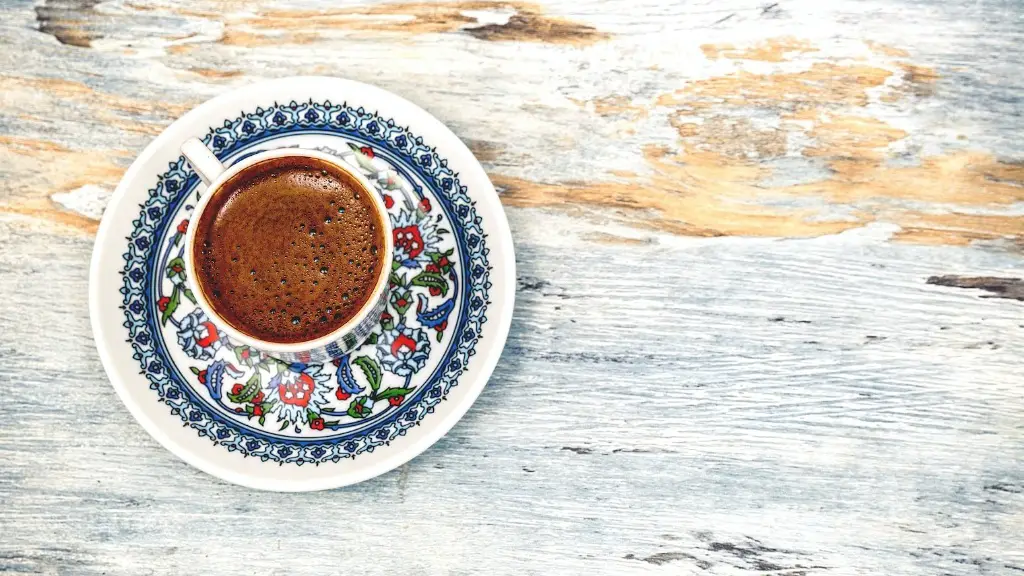
Decaffeinated coffee is one of the most popular alternatives on the market. This type of coffee has 97 percent of its caffeine removed through a series of washing processes, enabling those who want the taste of coffee without the risk to enjoy the beverage. For those looking for more intense flavor, restaurants and grocery stores offer a variety of different decaffeinated coffee roasts and types. Many customers find that decaffeinated coffees are just as satisfying as the caffeinated versions.
Other options include teas, herbal infusions, and the classic ice or hot chocolate. Tulsi and rooibos teas, for instance, are caffeine-free and packed with different vitamins and minerals. Also, hot chocolate can provide a unique and tasty experience at the same time. It is important to remember, however, that all products should be read and checked for hidden ingredients that can affect the expecting mother, such as small amounts of caffeine.
In addition to the alternatives, there are some more creative options that can still provide the same caffeine-free experience and flavor. Coconut-infused orange drinks, chamomile latte, and caramel vanilla cocoas are some examples that can be prepared at home in a quick and fun way. The options are virtually unlimited and offer expecting mothers the opportunity to safely satisfy their craving for a coffee or a caffeinated beverage without risking the health of their baby.
Caffeinated beverages and fertility
Women attempting to get pregnant should also be mindful of caffeine’s implications on fertility. Studies have shown that consuming moderate levels of caffeine does not affect the chances of conceiving. Still, women hoping to conceive should keep in mind that a high dosage of caffeine, in some cases, can have an inhibiting effect on conception.

In a medical review published in the British Medical Journal, researchers assessed the effects of caffeine consumption on pregnancy and fertility. According to the study, regular consumption of more than two to three cups of coffee per day could potentially lead to a reduction in postmenopausal fertility and increases the likelihood of miscarriages. It should also be noted that other caffeinated beverages, such as tea and soda, exert a similar effect.
In another study by Imperial College London, results revealed that caffeine consumption reduced the implantation rates of eggs into the uterus. The study found that the consumption of 50 mg of caffeine or more lowered the rate at which the egg was successfully implanted. Given the clear evidence that high levels of caffeine can reduce fertility, it is recommended that expecting couples lower their consumption in order to increase their chances of conceiving.
Alternatives to coffee for pregnant women
There are many alternatives on the market for pregnant women who are looking to keep caffeine intake to a minimum. For example, there are numerous herbal and herbal blends that offer a variety of flavors and benefits. Among these are chamomile, cacao, rooibos, ginger, and rose. All of these options are caffeine-free, making them suitable for expectant mothers.
Additionally, there are caffeine-free, carbonated beverages with natural flavors. These drinks provide a unique, refreshing taste and can help expecting mothers stay hydrated while avoiding the potential risks of caffeine. Among the many options, some popular and highly-recommended beverages include aguas frescas, all-natural teas, and coconut water.
Finally, smoothies and juices can also provide a refreshing and energizing alternative to coffee. Fresh squeezed juices, made with fruits and veggies, are packed with vitamins, minerals and antioxidants that can help support a healthy pregnancy. Additionally, smoothies can provide an easy-on-the-go pick-me-up for expecting moms who need an energy boost without the adverse effects of caffeine.
Mindful caffeine-consumption during pregnancy
Expecting mothers are often unaware of the full implications of caffeine on their own bodies and those of their babies. As caffeine is considered a drug, it is important for pregnant women to be mindful of their consumption of the substance in order to limit any potential adverse effects. The consensus among medical professionals is that a maximum of 200mg of caffeine per day should be the limit.
In considering their own health and that of their babies, expecting mothers should be aware of the effects of caffeine on their pregnancy. This includes its implications on birth weight, fertility, and on postpartum breastmilk production. As a result, it is recommended that pregnant women lower their consumption of caffeine-containing beverages and explore the many alternatives available. Ultimately, it is up to each individual expecting mother to truly understand her own consumption habits and determine what is best for her and her baby.
