
Coffee Drinking After Alcohol
Coffee is sometimes taken to help people recover after drinking alcohol. But is it really helpful and what does it do? We investigate the potential effects of coffee drinking after alcohol consumption.
In terms of the basics, coffee is a popular drink worldwide. It contains caffeine, a stimulant that can improve alertness, concentration and next-day motor skills. It’s often consumed late at night as a way to stay awake, and many people enjoy a cup to start their day.
With drinking alcohol, the effects are well documented. Alcohol is a central nervous system depressant that can cause changes in mood, motor skills and concentration. Furthermore, it can lead to drowsiness, impaired concentration and slower mental and physical performances.
Effects of Caffeine After Drinking Alcohol
But what are the effects of combining these two substances? As you can imagine, combining a stimulant and depressant can have various effects on the body and mind.
Firstly, caffeine can counteract the effects of alcohol. Because it’s a stimulant, it can reduce drowsiness and improve general performance. Thus, it can make people feel alert after drinking alcohol, and increase their concentration.
In addition, research suggests that caffeine can slow down the rate at which alcohol is absorbed into the blood, prolonging the effects of alcohol. This reduces the amount of time necessary for alcohol to clear from the body.
However, it’s difficult to assess the true effects of combining the two. Caffeine is a powerful stimulant and can stay in the body for up to 12 hours, which may mask the effects of the alcohol.
Risks Concerned with Combining Drinking and Caffeine
According to experts, combining drinking with caffeine can be potentially risky. Due to the effects of both substances, people may underestimate the level of intoxication and find themselves in hazardous situations.
Furthermore, because drinking causes dehydration and caffeine is a diuretic, people can experience further dehydration. This can lead to unpleasant symptoms such as headaches, and can increase the risk of dehydration-related illnesses.
Finally, drinking large amounts of coffee can have its own risks. This includes making people feel anxious and jittery, as well as causing insomnia.
Short Term Effects
When it comes to short-term effects, caffeine is unlikely to help people feel any better when they are drunk. Caffeine will give you a temporary surge of energy, but it won’t last long, and the alcohol will still affect you. However, the combination of caffeine and alcohol has been found to increase it the likelihood of cognitive impairment.
Studies have also suggested that caffeine and alcohol can increase the risk of aggression. This is because of the combined effects of the two substances – while caffeine can induce alertness, alcohol causes impulsivity. This can be a dangerous combination that should be avoided.
A small amount of alcohol may have some beneficial effects on the brain, but when combined with caffeine, it could have an impaired effect. According to experts, the best thing to do if you are going to drink alcohol is to stay away from caffeine.
Long Term Effects
In terms of long-term effects, the combination of caffeine and alcohol can have serious implications. Studies suggest that the effects may not be immediately noticeable, but they could be far-reaching.
For example, long-term consumption of both substances can lead to increased anxiety and depression. This is due to the effects of both substances on the brain – caffeine affects the functioning of neurotransmitters, while alcohol affects the body’s production of serotonin.
Moreover, long-term consumption of caffeine and alcohol has been linked to various health issues. This includes liver and heart damage, as well as an increased risk of certain cancers. Thus, it’s important to be aware of the risks associated with this combination, and to take steps to ensure that your consumption is within safe limits.
Takeway
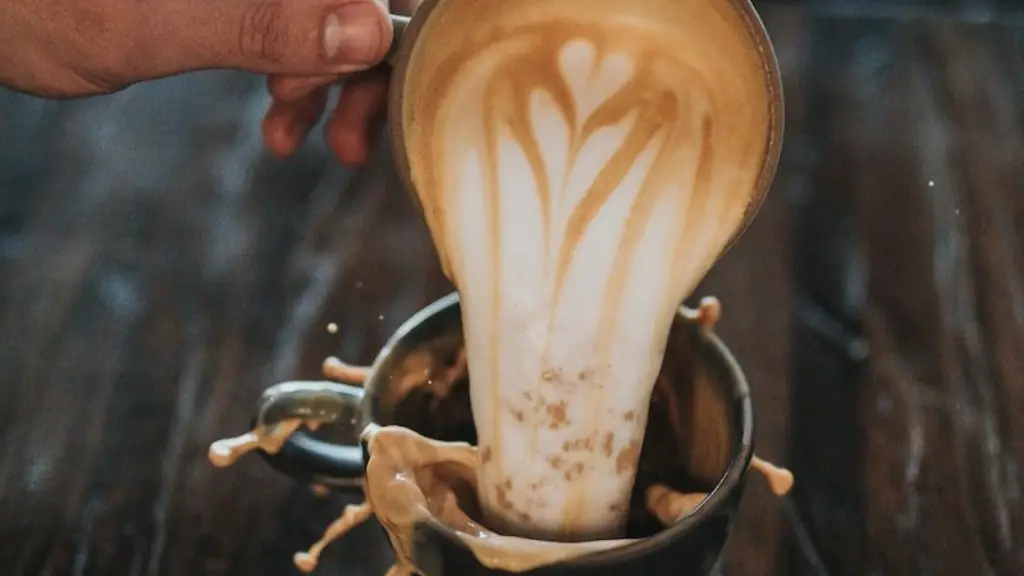
In conclusion, there are some potential benefits to consuming coffee after drinking alcohol. It can counter the effects of alcohol and reduce the amount of time needed for it to leave the body. However, there are risks associated with the combination, and it’s important to be aware of them. Thus, it’s best to limit your consumption of both substances, and to ensure you’re drinking responsibly.
Nutritional Considerations
As with any food or drink, there are certain nutritional considerations associated with drinking coffee after drinking alcohol. First, it’s important to keep in mind that coffee contains calories, and depending on how it’s prepared, this can add up quickly. Thus, it’s important to be aware of how much caffeine you are taking in, and consider the calorie content of any additives.
In addition, research suggests that drinking coffee after alcohol can increase the absorption of fatty acids in the intestine. This can be beneficial if you’re trying to get more vegetables into your diet, but may not be ideal if you’re trying to watch your fat intake.
Finally, coffee is naturally acidic, and this can further irritate the stomach after drinking alcohol. Thus, it’s best to drink coffee with a light snack to help avoid any stomach upset.
Effects on the Liver
The liver is the most important organ in the body when it comes to dealing with toxins, and it’s at risk when consuming alcohol. Therefore, it’s important to consider the potential effects of consuming coffee after drinking alcohol.
Caffeine is known to help protect the liver from the damage caused by alcohol. It can also reduce the amount of time it takes alcohol to leave the body, helping the liver to process it more effectively. However, it’s still important to keep your consumption of both alcohol and caffeine at moderate levels.
In addition, coffee consumption can also reduce alcohol cravings. This can be beneficial when trying to wean oneself from alcohol consumption, as coffee can help to make these cravings more manageable. It can also reduce the risk of withdrawal symptoms, making it easier to avoid alcohol.
Alternatives Drinks
When it comes to alternatives drinks after drinking alcohol, coffee may not be the best option. There are many other drinks that can help you to feel better after a night out. They include:
- Hydrating drinks such as water or electrolyte drinks to replace lost fluids and help replace essential minerals;
- Low-sugar fruit juices or smoothies to provide essential vitamins and minerals;
- Herbal teas to help with digestion;
- Milk-based drinks for a more substantial option;
- Soup to help with hydration and provide nutrients.
Ultimately, it’s important to remember that there is no single answer when it comes to the effects of drinking coffee after alcohol. Everyone reacts differently, and it’s important to ensure that you’re drinking responsibly and monitoring your intake. In any case, it’s best to enjoy coffee and alcohol in moderation, and to keep an eye on how you’re feeling when combining the two.
