
Introduction
Pregnancy is a time of extraordinary physiological changes, both physically and mentally. One of the most common questions facing pregnant women is whether it is safe to drink coffee. There is much conflicting advice about the consumption of caffeine during pregnancy, so what should pregnant women do? In this article, we will explore this controversial issue and provide a balanced review of the scientific consensus.
Background
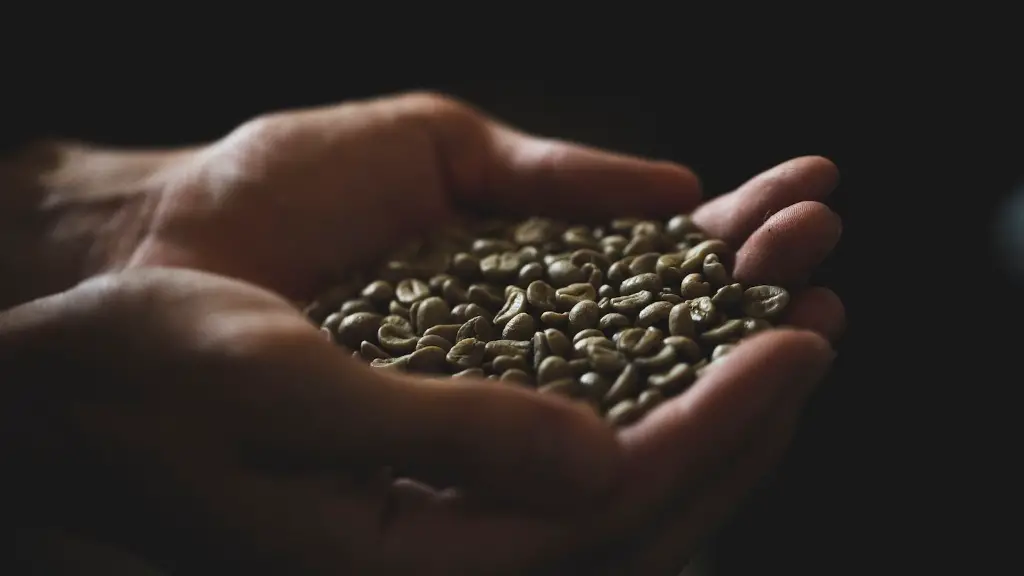
Caffeine is a natural stimulant found in a wide range of products, including coffee, tea, soft drinks, and chocolate. During pregnancy, it can pass through the mother’s body and cross the placenta, impacting the developing baby. Although coffee has many health benefits, including reducing the risk of some cancers, type 2 diabetes, and stroke, research has found that drinking too much of it during pregnancy can increase the risk of various developmental and health issues.
Effects on Pregnancy
Studies have shown that drinking coffee during pregnancy affects the fetal heart rate and can even lead to premature birth. Furthermore, caffeine consumption is associated with a higher risk of miscarriage and stillbirth, as well as lower birth weight and newborn birth size. Some research suggests that pregnant women should limit their caffeine intake to no more than 200 milligrams per day (about 1 cup of coffee), although this should be monitored according to individual needs.
In addition, caffeine can stay in the body for up to five hours after being consumed, meaning that consuming more than one cup of coffee a day can put the baby at risk of receiving a large amount of caffeine during their development. High caffeine intake can also cause a woman to experience headaches, insomnia, and other uncomfortable physical symptoms, making it difficult to enjoy pregnancy.

Opinions of Health Professionals
Despite the potential risks, there are some experts who argue that drinking coffee in moderation during pregnancy is safe. They point out that the effects of caffeine on the fetus are often overstated, and that moderate coffee drinking (1-2 cups per day) does not pose any significant health risk. However, most health professionals recommend that pregnant women avoid or reduce their caffeine intake as much as possible.
My Opinion
In my opinion, it is best for pregnant women to avoid drinking coffee unless they have consulted their doctor. Although moderate coffee consumption during pregnancy may not pose any significant health risk, there is still a small chance that it could lead to complications. Therefore, it is important to be cautious and seek medical advice if in doubt.
Coffee Alternatives

Decaffeinated coffee is one alternative for pregnant women who want to enjoy the taste of coffee without the risk of caffeine. Decaf coffee is available in many varieties, including regular coffee and specialty blends. Furthermore, some makers have developed herbal ‘coffee’ drinks that have similar taste and texture to real coffee but do not contain any caffeine.
For pregnant women who don’t like coffee but need an energy boost, herbal teas can be an excellent choice. Herbal teas are naturally caffeine free, and can provide both a refreshing taste and an energy boost from natural ingredients, such as ginseng, guarana, and green tea. They are also a good source of vitamins and minerals, making them a healthier option than coffee.
Additionally, pregnant women can also opt for energy drinks that contain low or no caffeine, such as coconut water or natural fruit juices. These drinks provide the same energy boost as coffee without the potential risks of caffeine.
Finally, pregnant women can also opt for natural energy boosters, such as eating a balanced diet and exercising regularly. Foods such as fruits, vegetables, and whole grains provide natural energy and essential nutrients to keep the body healthy and energised during pregnancy.
Caffeine Regulations

In recent years, there has been an increase in the regulation of caffeine in food and beverages, especially for pregnant women. For example, in some countries, such as the US and Australia, food and beverage companies are required to clearly label all products that contain caffeine. This allows pregnant women to make informed decisions about their caffeine intake, so they can avoid consuming potentially harmful levels.
In addition, many countries now have set limits on the amount of caffeine that can be included in food and beverages, such as cola and energy drinks. For example, the European Food Safety Authority (EFSA) has recommended that adult caffeine intake should not exceed 400 milligrams per day. This means that pregnant women should limit their caffeine intake to no more than 200 milligrams per day.
Overall, the regulation of caffeine in food and beverages has greatly reduced the risk of pregnant women consuming potentially harmful levels of caffeine. This demonstrates that governments and manufacturers are taking steps to ensure the safety of pregnant women and their babies.
Health Risks from Caffeine
Although drinking coffee in moderation is generally safe during pregnancy, there are still some potential health risks to consider. Research has found that consuming high levels of caffeine can increase the risk of several pregnancy-related complications, including miscarriage, premature birth, low birth weight, and heart defects.

In addition, caffeine has also been linked to other health issues, such as high blood pressure, headaches, and insomnia. While these effects may not be severe, it is still important for pregnant women to be aware of the potential risks and to limit their caffeine intake to no more than 200 milligrams per day.
Furthermore, it is also important for pregnant women to be aware that caffeine can cross the placenta, meaning that it can affect the baby’s heart rate and development. Therefore, it is best to avoid caffeine altogether during pregnancy to ensure the safety and wellbeing of the baby.
Caffeine Withdrawal Symptoms
For pregnant women who are used to consuming caffeine regularly, suddenly cutting back or eliminating it can lead to unpleasant withdrawal symptoms, such as headaches, fatigue, and irritability. These symptoms can make it difficult to enjoy pregnancy and can even interfere with work or other activities.
Fortunately, there are a few ways to manage caffeine withdrawal symptoms. Firstly, drinking plenty of fluids can help to reduce headaches and irritability. Secondly, reducing caffeine intake gradually over a few days or weeks can reduce the severity of the symptoms. Finally, pregnant women can also take vitamins and other supplements to regulate their energy levels, as well as practicing relaxation techniques, such as yoga, meditation, or mindfulness.
Final Considerations
Overall, there is much conflicting advice about caffeine consumption during pregnancy, so it is important for pregnant women to be aware of the potential risks and to make an informed decision about their caffeine intake. While moderate coffee drinking may not pose any significant health risk, it is still best to avoid it entirely or to limit it to no more than 200 milligrams per day. In addition, pregnant women should also consider other caffeine-free alternatives, such as decaf coffee and herbal teas, as these can provide an energy boost without the risks of caffeine.
