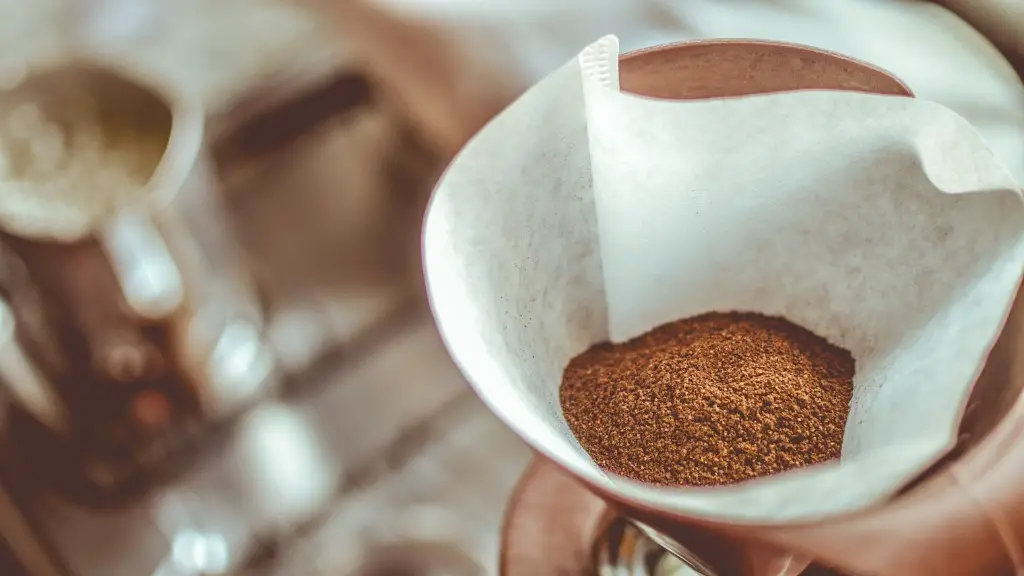
Coffee contains caffeine, which is an ingredient that can affect those suffering from diverticulitis. For those with diverticulitis, this is an important question to be addressed. There is a world of conflicting information floating around, so it is important to take the time to research and understand the effects that drinking coffee can have on this condition.
First off, it is important to understand what diverticulitis is. Diverticulitis occurs when the small pouches, called diverticula, that form in the digestion system become inflamed. This can be painful and cause a variety of other digestive issues, such as cramps, bloating and excess gas. For many people, drinking coffee can worsen the effects of diverticulitis.
It is believed that caffeine found in coffee can contribute to problems with diverticulitis. It can act as an irritant to the system, leading to inflammation and further discomfort. Furthermore, drinking coffee increases stomach acid, which can worsen symptoms of diverticulitis. This is because coffee is acidic and can cause the small pouches within the digestive tract to become further inflamed by the stomach acid.
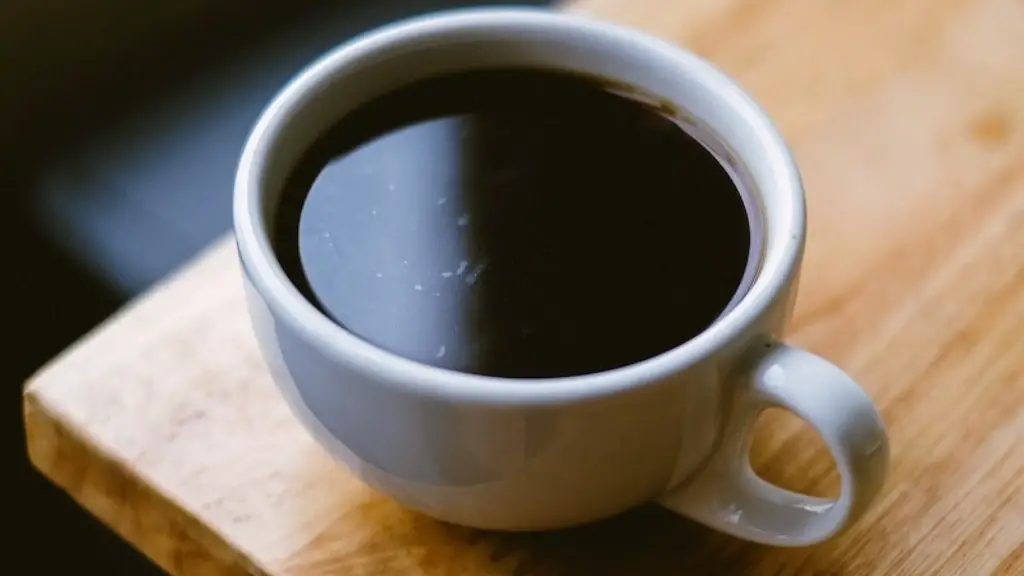
Experts suggest avoiding coffee if you are suffering from diverticulitis, or at least reducing the amount of coffee consumed. Decaf coffee is a better option, as it does not contain the same levels of caffeine, though it still contains a small amount. If a person with diverticulitis still wants to enjoy the taste of coffee, then they might opt for herbal or non-caffeine alternatives such as chicory or tulsi teas.
As always, it is important to listen to your body and take into account how it responds to certain foods. If you have diverticulitis, be mindful of the amount of coffee that you drink. If it bothers your digestive health, then it might be a good idea to avoid coffee completely. Speak with a healthcare professional for advice if necessary.
Alcohol Consumption
As well as coffee, alcohol consumption can affect a person’s experience when they are suffering from diverticulitis. Alcohol, like coffee, can be an irritant to the digestive system, which can worsen a person’s symptoms. It can also lead to dehydration, which can further aggravate the condition. Therefore, it is important to limit or avoid alcohol if you’re struggling with this condition.
Additionally, alcohol can also interfere with how medications prescribed to treat diverticulitis work, as alcohol has a range of its own side effects. As always, if alcohol is consumed, it should be done so in moderation. Drinking in excess can lead to further complications and will worsen a person’s symptoms, so it is important to be mindful when consuming alcohol if you have diverticulitis.

While the occasional alcoholic drink may be okay, drinking multiple drinks in one sitting will lead to further irritation of the digestive system and should be avoided if a person is suffering from diverticulitis.
Stress Management
As well as watching what foods and drinks you consume, managing stress levels is also a key factor when trying to cope with diverticulitis. Stress can cause further damage to the digestive system, so it is important to be mindful of how much stress you are under.
Treating the condition itself is important too, of course. Your doctor may prescribe an antibiotic or other medications if the infection is bad enough. The various approaches to diverticulitis treatment need to be addressed individually, and your healthcare provider will be the best source of information for exactly what will work for you.
Finding ways to manage your stress levels is a key part of living with diverticulitis. Exercising regularly, practicing yoga, mindfulness and deep breathing can all help to reduce stress and tension. You may also want to talk to a counsellor or therapist to help you cope with your condition.
Exercise

Exercise is important for any condition, and it’s especially important for those with diverticulitis. Regular, mild exercise can help to reduce stress, manage weight and aid digestion. This doesn’t mean going to the gym every day – it could just be a regular walk or swim. Doing gentle exercise regularly can help to improve both your physical and mental health.
It is important to remember to listen to your body, especially when living with a condition like diverticulitis. Don’t overdo it – the wrong exercise can strain your body, for example, and lead to further inflammation. Before each exercise session, make sure to check in with yourself and ensure your body is up for it.
Lastly, when it comes to exercise, make sure to keep hydrated – dehydration is a common symptom of diverticulitis, and drinking plenty of fluids can help to reduce this discomfort.
Dietary Modifications
When it comes to dietary modifications, it is essential to take into consideration individual needs. Everyone has different dietary requirements, so it is important to consult a healthcare professional to find out what works best. However, some general guidelines may be beneficial:
- Increase fibre content in the diet
- Eat small and frequent meals
- Limit caffeine and alcohol consumption
- Avoid acidic and spicy foods
- Avoid processed and high-fat foods
- Drink plenty of water
Making dietary changes can be daunting, but it doesn’t have to be difficult. Take it slowly and focus on incorporating healthier foods into your diet over time. When it comes to managing diverticulitis, some dietary modifications may not completely eradicate your symptoms – but depending on your individual needs and the severity of your symptoms, they may be enough to reduce some of the discomfort.
Complementary Therapies
There are various alternative therapies that can be used to help manage the symptoms of diverticulitis. These therapies can include relaxation techniques, massage, aromatherapy and acupuncture. Speak to a healthcare provider about incorporating such therapies into your routine, as some may be more beneficial than others depending on the severity of a person’s condition.
For those interested in alternative therapies, there is a range of options to explore. Acupuncture is a good option to try and can provide some relief from the symptoms of diverticulitis. Massage and relaxation techniques can also be useful in managing the pain. Aromatherapy can be helpful in reducing stress, giving some people an emotional lift.
If you are interested in trying out any of these therapies, be sure to consult a healthcare professional first. They can guide you through the process and provide advice on which option is best for you.