
Is It Really Bad To Drink Coffee While Pregnant?
Coffee is one of the most popular drinks in the world and for many pregnant women, it can be comforting and a vital source of energy to keep them going. As with anything, too much of it can be risky, so it is important to understand how it can potentially affect a pregnant woman’s health.
Caffeine is the active ingredient in coffee that gives it its familiar stimulant-like effects. It is absorbed quickly, passes through the placenta and can also reach your unborn baby. Because the baby’s metabolism is not fully developed, studies have shown that it is more vulnerable to the effects of caffeine than an adult is. This means that drinking too much coffee during pregnancy can have a range of potential health risks for the baby.
Research into the effects of caffeine on unborn babies is ongoing, with studies indicating that it can lead to premature births, low birth weight and an increased risk of miscarriages. In some cases, caffeine can result in behavioral problems, including hyperactivity and attention disorders. Other studies have suggested that it can lead to babies being at risk of long-term health issues later in life, such as heart disease.
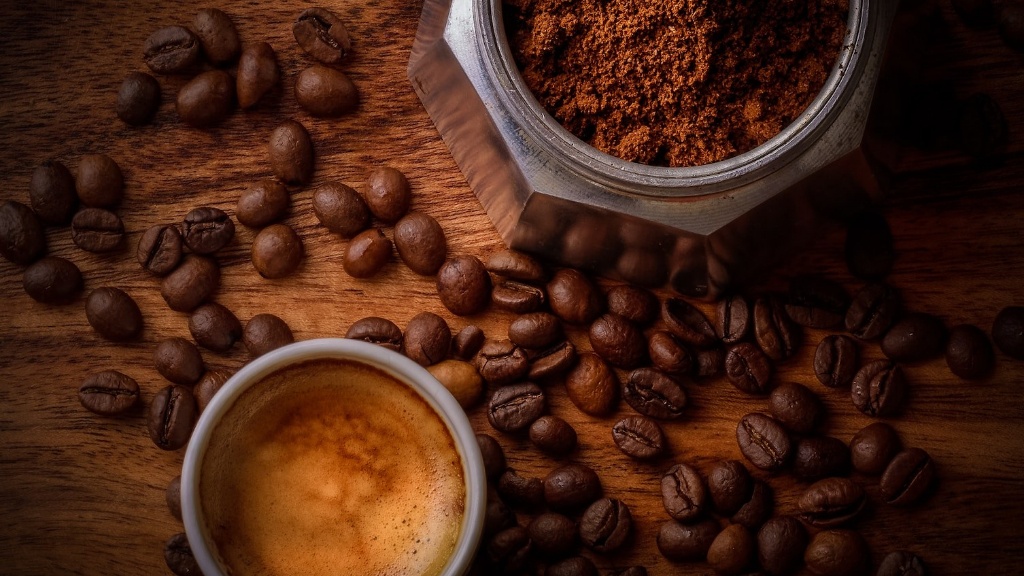
Experts recommend that pregnant women should limit their caffeine intake to no more than 200 mg per day. This is the equivalent of two cups of instant coffee, one latte or two mugs of tea. It is important to be aware of the caffeine content of other drinks and foods, such as energy drinks, chocolates, and some painkillers. Even decaffeinated coffee contains some caffeine, although it is much lower than in regular coffee.
Drinking coffee can also interfere with the absorption of some important minerals and vitamins, such as calcium, iron, and folate. A deficiency in these nutrients can have serious side effects on the baby, including an increased risk of birth defects. As such, doctors recommend that pregnant women should limit their consumption of coffee and other caffeinated products, especially in the first trimester.
Coffee can also cause heartburn and indigestion, which can be uncomfortable for pregnant women. It can cause dehydration, which can lead to other health conditions. It can also reduce the amount of quality sleep you get, and a lack of sleep can have an increasing range of negative effects on pregnant women.
In conclusion, it is important to ensure that you are getting enough sleep and maintaining good nutrition to ensure that your baby is getting the best chance of developing properly. While it is possible to consume coffee while pregnant, it should be done in moderation. Excess caffeine can increase your risk of health problems, so it’s best to avoid it if possible.
Understanding the Caffeine in Coffee & Tea

Caffeine levels vary widely among different types of coffee and tea. Instant coffee can contain as little as 35-50mg of caffeine per cup, while a single espresso can contain as much as 75-100mg. As for teas, black tea usually has the highest level of caffeine with around 30-60mg per cup, while green tea has around 30mg. White tea, on the other hand, contains only about 15mg.
Drip coffee and espresso are much more potent than regular coffee since they are more concentrated. Also, the darker the roast, the more caffeine there is in the coffee. That being said, the caffeine content in coffee can also vary based on where it is grown, the roasting process, and the brewing method.
Other factors such as adding milk, sugar and other syrups can also reduce the caffeine content of coffee and tea. While some people believe that decaf has no caffeine, it usually has anywhere between 2-9mg per cup.
High consumption of caffeine can be bad for pregnant women as it passes through the placenta and can directly affect the baby. Therefore it is important to be aware of how much caffeine you are consuming on a daily basis.

Toxicity levels of caffeine would depend on the amount one consumes, but a tolerable upper limit of 200mg of caffeine a day is generally recommended. This is the equivalent of two small cups of coffee.
Caffeine Effects On Prenatal Development
In large doses, caffeine has been found to cross the placenta from mother to baby, and studies suggest that too much caffeine can cause slowed growth and development of the baby. This is because the baby is more vulnerable to the effects of caffeine than an adult and does not have the enzyme to break down the caffeine in the same way an adult does.
Excessive amounts of caffeine can increase the risk of preterm labor and lead to low birth weight and birth defects. There is also evidence that drinking coffee during pregnancy can increase the risk of miscarriages and stillbirths.
Data from a study conducted by the March of Dimes in 2005 showed that children born to women who consumed over 200-300mg of caffeine a day had high levels of hyperactivity, inattentiveness, and a higher risk of developing behavioural problems such as ADHD and autism spectrum disorders.

Caffeine can also interfere with the absorption of important nutrients such as calcium, iron, and folate, which are essential for the baby’s health and development. This can put the baby at risk of developmental complications and other health issues such as low birth weight, hypertension, and even miscarriage.
It is important to limit caffeine intake during pregnancy as it has been linked to a variety of adverse effects on babies. However, research is still ongoing and the effects of caffeine on a developing baby will vary depending on the individual. As such, doctors usually recommend that pregnant women should not consume more than 200mg of caffeine a day.
Caffeine Alternatives During Pregnancy
For those who are looking for a caffeine alternative during pregnancy, there are several options available. Herbal teas such as chamomile and peppermint can be a great option as they contain no caffeine. Green teas, on the other hand, have less caffeine than black tea, so they should be consumed in moderation.
Cocoa tea is another popular choice as it has a similar flavor to coffee without any of the caffeine.Other caffeine-free hot drinks include dandelion root, cinnamon tea, narcissus juice and barley tea.
If you’re looking for something cold and refreshing, then try a cup of sparkling or lime ginger water or a smoothie. You could also try mixing fruit juice or milk with crushed ice for a delicious beverage.
Milk alternatives, such as almond and oat milk, are also great options for those avoiding caffeine. Beetroot juice, coconut water and fruit juice are also good choices.
Conclusion
Coffee and other caffeinated beverages can affect a pregnant woman’s health and potentially endanger her unborn baby. While some studies have shown that drinking coffee while pregnant can have an adverse effect, the degree of risk depends on the individual. Experts recommend that pregnant women should limit their caffeine intake to no more than 200 mg per day, which is the equivalent of two cups of instant coffee or one latte.
It is important to remember that the effects of caffeine on a pregnant woman and her unborn baby can vary. As such, it is always best to speak to a doctor before consuming any caffeinated beverages during pregnancy. There are several caffeine-free alternatives available, so it is best to opt for these whenever possible, as they are much safer for your baby.
