
Introduction to Organic Coffee
Organic coffee is a special type of coffee made with beans that have been farmed organically. This means that it is grown without the use of chemicals, synthetic fertilizers, and genetic engineering. It’s made without pesticides and other hazardous chemicals, so it’s a safer choice for consumers and the environment. Organic coffee is also certified by a third-party agency, ensuring that it really is grown the way it claims to be. Because of this, organic coffee is becoming increasingly popular among coffee enthusiasts and health-conscious individuals alike, leading many to wonder: should you drink organic coffee?
The Health Benefits of Organic Coffee
One of the main reasons why people opt for organic coffee is the health benefits that it provides. Organic coffee is known to have 50% fewer mycotoxins than regular coffee, which are harmful compounds found in coffee beans that can negatively affect the body. Studies have shown that the lower levels of mycotoxins in organic coffee can reduce the risk of diabetes and heart disease. Additionally, organic coffee also contains more antioxidants, which have numerous health benefits, including reducing inflammation and preventing certain types of cancers. Furthermore, organic coffee is free from chemicals, so there are no toxic residues left behind in the beans.
The Impact on the Environment
Organic coffee is also better for the environment. Since it is grown without the use of chemicals, synthetic fertilizers, and other hazardous substances, its production does not contribute to the pollution of water, land, and air. Additionally, organic coffee has been found to have a lower carbon footprint than regular coffee. Since it does not contain any artificial substances, it has a higher biodiversity value, meaning that it provides a more diverse and thriving ecosystem for wildlife in the local area.
The Taste of Organic Coffee
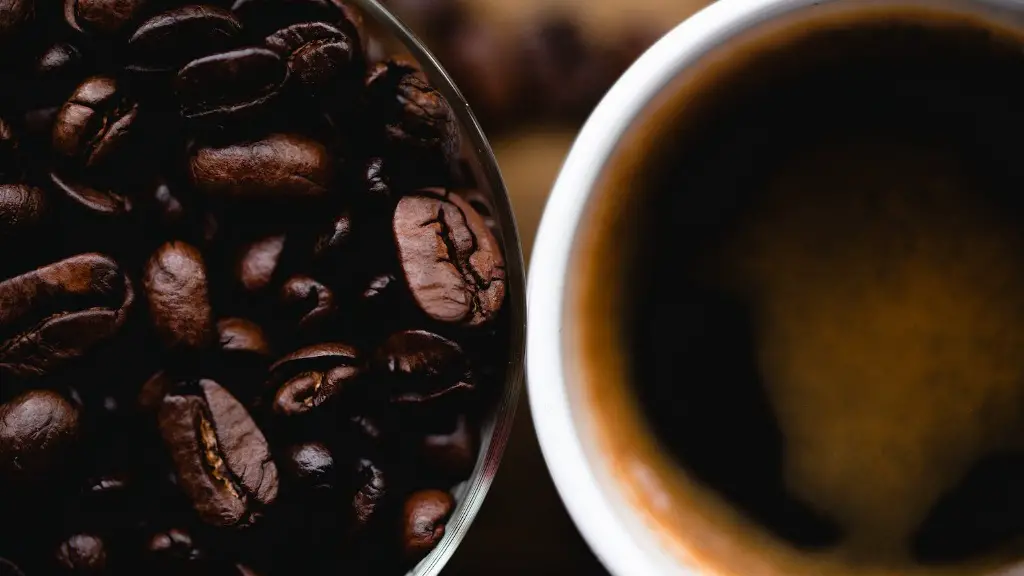
Another great reason to drink organic coffee is the taste. Organic coffee is known to have a richer, bolder flavor than regular coffee because it is grown in more balanced soil. This means the beans absorb more nutrients and minerals, enhancing the flavor. Organic beans also have an earthy, nutty flavor that comes through in the cup. Many people find that organic coffee has a more balanced, intense flavor, making it a great choice for those who enjoy a high-quality cup of coffee.
The Price of Organic Coffee
The biggest downside of organic coffee is the price. Organic coffee is typically more expensive than regular coffee, usually costing upwards of twice as much. This can make it difficult for some people to afford. However, the extra cost often results from the extra effort and costs associated with farming the beans organically, rather than the quality of the beans themselves. So, if you are able to make the investment, organic coffee can be worth it for the flavor and health benefits that it provides.
Organic Coffee Alternatives
If the price of organic coffee is too steep for you, don’t worry — there are still some options available. Certified organic freeze-dried instant coffee is one option that is less expensive than traditional organic coffee. Additionally, you may be able to find organic pre-ground coffee that is more affordable than whole bean organic coffee. Finally, you can always try shopping at local stores or online to find the best prices on organic coffee.
Organic Coffee vs Conventional Coffee
When deciding whether or not to drink organic coffee, it is important to consider the differences between organic and conventional coffee. Organic coffee is grown without the use of chemicals, synthetic fertilizers, and genetic engineering, and it has a lower mycotoxin content. On the other hand, conventional coffee is typically grown with the use of pesticides and other chemicals that can be harmful to humans and the environment. As a result, organic coffee can provide greater health and environmental benefits than conventional coffee.
Organic Coffee Certification

When purchasing organic coffee, it is important to ensure that it comes from a reliable source. The best way to do this is by looking for the “certified organic” label from a third-party agency. This label indicates that the coffee has been grown and processed according to strict standards, ensuring its authenticity. As a result, you can rest assured knowing that the coffee you’re drinking is truly organic and of high quality.
Understanding the Process of Organic Coffee Production
When it comes to organic coffee production, it is important to understand the process. Organic coffee is typically grown in rich, biodiverse soil with no use of synthetic fertilizers and pesticides. Additionally, the beans are handpicked, ensuring that only the healthiest, ripest beans are chosen. After harvesting, the beans are processed using a multi-step approach that includes sorting, cleaning, and finally roasting to the desired level. This process helps to lock in the flavor, aroma, and nutrients of the beans, creating a cup of coffee that is truly extraordinary.
Organic Coffee Roasting Process
When it comes to roasting, organic coffee is typically roasted differently than conventional coffee. This is because organic coffee is more delicate, which requires a slower and more precise roast. Most producers will roast the beans slowly over low heat, allowing the beans to slowly expand and release their full flavor. Some producers will also take great care to roast the beans to a certain level of darkness, allowing the perfect balance of flavor, smell, and strength to come through. This careful roasting process helps to create a cup of coffee that has a truly unique flavor and aroma.
Organic Coffee Brewing Tips
For the best results when brewing organic coffee, there are a few things to keep in mind. First, use fresh, cold water that has been purified using a filter. Additionally, use the correct grind for your brewing method — a coarse grind for French press or a medium-fine grind for drip brewing. Finally, use the right water-to-coffee ratio depending on your preferred strength. By following these tips, you can ensure that you get the most out of your organic coffee.
Making the Choice to Drink Organic Coffee
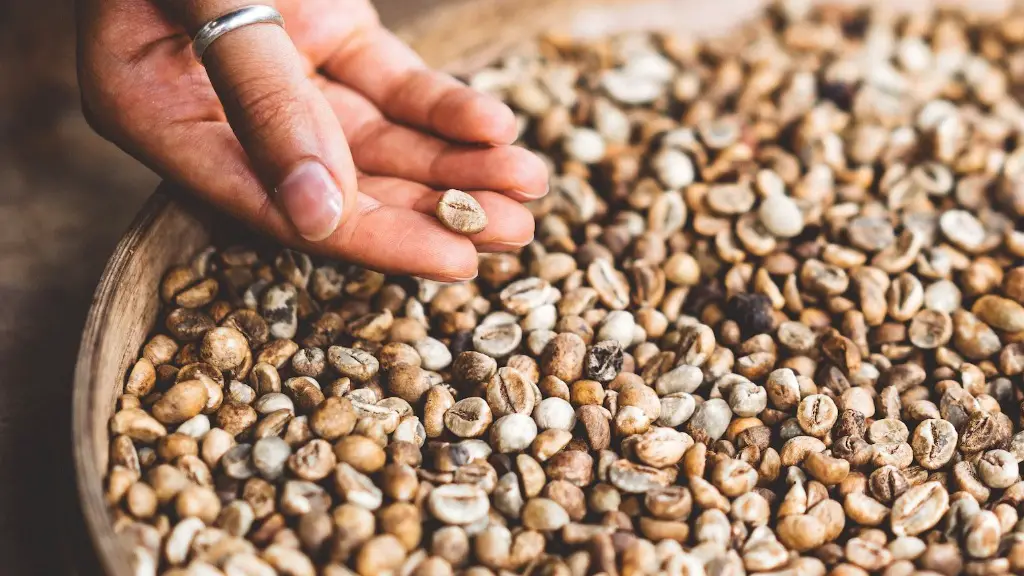
When it comes to deciding whether or not to drink organic coffee, it is important to weigh the pros and cons. Organic coffee is known to have numerous health benefits, including reduced mycotoxin levels, more antioxidants, and no hazardous chemicals. Additionally, organic coffee is better for the environment and has a richer, bolder flavor. On the other hand, organic coffee often comes with a higher price tag than regular coffee. Ultimately, the decision to drink organic coffee should be based on your individual preferences and needs.