Understanding Concussions
A concussion, also known as a mild traumatic brain injury, is caused by a force or blow to the head (1). It can disrupt and affect the functioning of the brain and is typically associated with impaired cognitive function, slowed responses, confusion and or memory loss (2). Becoming conscious of and familiar with the signs of a concussion can help you to take the steps to assess whether you or someone you know has experienced a concussion, and seek medical help if it is suspected (3).
Drinking Coffee
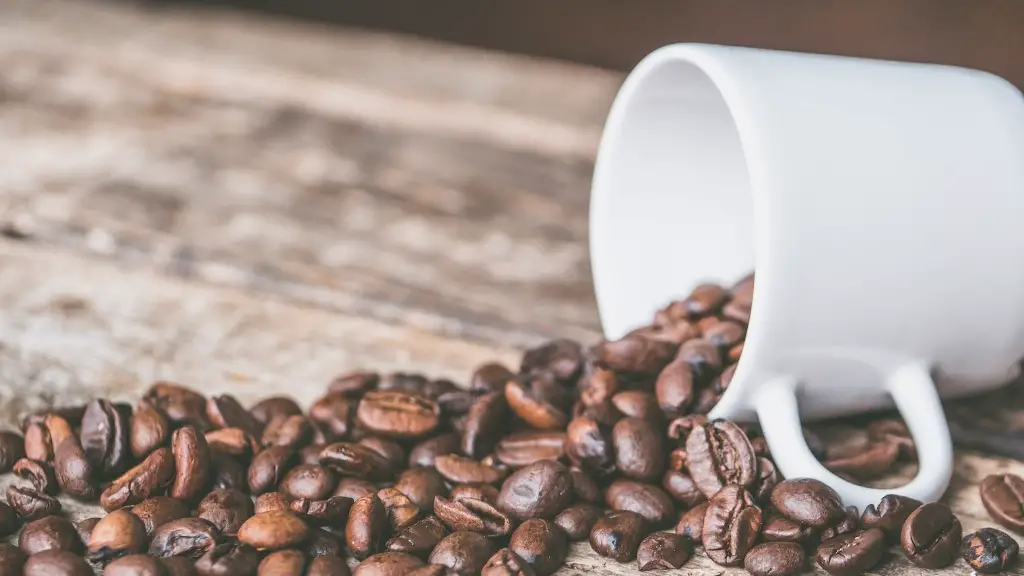
Experiencing a concussion does not mean that you are not allowed to drink coffee anymore. Coffee, as a beverage, is composed of a mixture of compounds and if taken in moderation, it can provide a range of health benefits. A few of these are the potential to reduce the risk of type 2 diabetes and cardiovascular disease, as well as to help lower depression and depression related diseases (4).
Effects on Concussions
Most of the time, coffee consumption is perfectly safe and it is unlikely to cause any harm. However, the consumption of coffee or other caffeinated beverages may prove detrimental to those who have suffered a concussion. One of the common symptoms of a concussion is confusion and it has been found that caffeine can make this symptom worse (5). This is because caffeine is a stimulant, meaning it can increase alertness and wakefulness by changing levels of hormones in the body. In people with a concussion, this heightened alertness can make confusion more pronounced and result in a poorer outcome in the long run (6). Additionally, caffeine has the potential to increase blood sugar levels, further exacerbating confusion and increasing the risk of further injury (7). Therefore, it would be in the best interest of someone with a concussion to avoid drinking coffee or any other caffeinated beverages.
Safe Alternatives

Whilst it is recommended that people with concussions avoid caffeine, there are a variety of alternative drinks that can be enjoyed in moderation. Water is a great option and keeping your body hydrated whilst recovering from a concussion is essential to help restore necessary minerals in the body (8). Fruits juices are also very refreshing and are packed with a range of vitamins and minerals that can help to support recovery. This is especially recommended if you or someone you know has experienced vomiting as a result of a concussion, as these juices will help to re-hydrate the body efficiently (9). Herbal teas can also be a great option as not only can they provide gentle relief from a range of symptoms related to a concussion, but can also be a pleasant way to pass the time for those in recovery.
Final Thoughts
In conclusion, coffee and other caffeinated beverages should be avoided by people who have experienced a concussion. The stimulant properties of caffeine can make confusion and other symptoms worse, rather than better, and can increase the risk of further injury. Therefore, it is in the best interest of someone recovering from a concussion to seek alternative options such as water, fruit juices and herbal teas.
Tips on Recovering Successfully
In addition to avoiding caffeine, there are a variety of other strategies you can implement to ensure successful recovery from a concussion, some of which include eating healthily, getting adequate sleep and attending regular medical check ups (10). Eating a balanced and nutritious diet not only helps you to stay energized and keep up with your daily routine, but also helps to speed up the recovery process and enhance healing (11). Getting sufficient sleep, on the other hand, is important in providing the brain with time to rest and when linked with a regular medical check up, it can help to prevent any potential recurrences (12).
The Role of Gentle Exercise
Whilst getting a good night’s sleep is essential to recovery, it is also important to stay active. Gentle and low-impact exercise, such as walking or swimming, can help to minimize symptoms associated with a concussion and has been linked to improved healing in those with mild traumatic brain injuries (13). However, exercise that is too strenuous or intense should be avoided, as this can potentially make symptoms worse (14). Therefore, it is important to discuss with a doctor which type of exercise and how much exercise is suitable based on the individual’s symptoms and recovery progress.
Maximizing Cognitive Function

Recovering from a concussion involves more than just physical health, it can also have a major impact on cognitive function. A few steps that can be taken in order to minimize this are engaging in mentally stimulating activities (15), engaging in social activities and keeping stress levels low (16). Cognitive stimulation can come in many forms, such as learning a new language, a musical instrument or working on puzzles, but ultimately it is about finding activities that challenge the person mentally whilst also being enjoyable (17). Furthermore, engaging in social activities, such as playing team sports, seeing family and friends or joining a club, can help to keep the mind active and can reduce levels of depression and anxiety that might be associated with the injury (18). It is also important to try to take a break from activities that may cause stress, such as studying or work, as this can further impede recovery (19).
Conclusion
Adequate management of a concussion involves much more than simply avoiding caffeine. Those who have experienced a head injury must also pay attention to what they eat, how much exercise they do and how often they seek medical help for assessment. Keeping stress levels low and maintaining a healthy and balanced lifestyle should also be top priorities. Ultimately, recovering from a concussion requires patience, as every concussion is different, and seeking medical help as early as possible will ensure that an individual has the best chance at making a successful recovery.
