
Coffee is a widely popular beverage consumed by many people all over the world. For some, it is an important part of their daily routine, a cup of coffee to get the day started or to take a break in the middle of the afternoon. But, when you are pregnant, there are some important considerations to take into account when deciding what coffee to drink.
According to the March of Dimes, it is recommended that you limit your daily intake of caffeine while pregnant to 200 milligrams or less. Caffeine is found in many beverages, including coffee, and the amount of caffeine varies. A cup of coffee typically contains between 95 to 165 milligrams of caffeine, depending on the roast and the strength of the brew. This means that one to two cups of coffee a day should be safe for pregnancy.
In addition to caffeine, some studies have raised potential concerns about other compounds present in coffee, such as polyphenols and diterpenes, that could potentially interfere with the absorption of folic acid, an important vitamin for pregnant women. For this reason, some experts suggest avoiding coffee altogether during pregnancy.
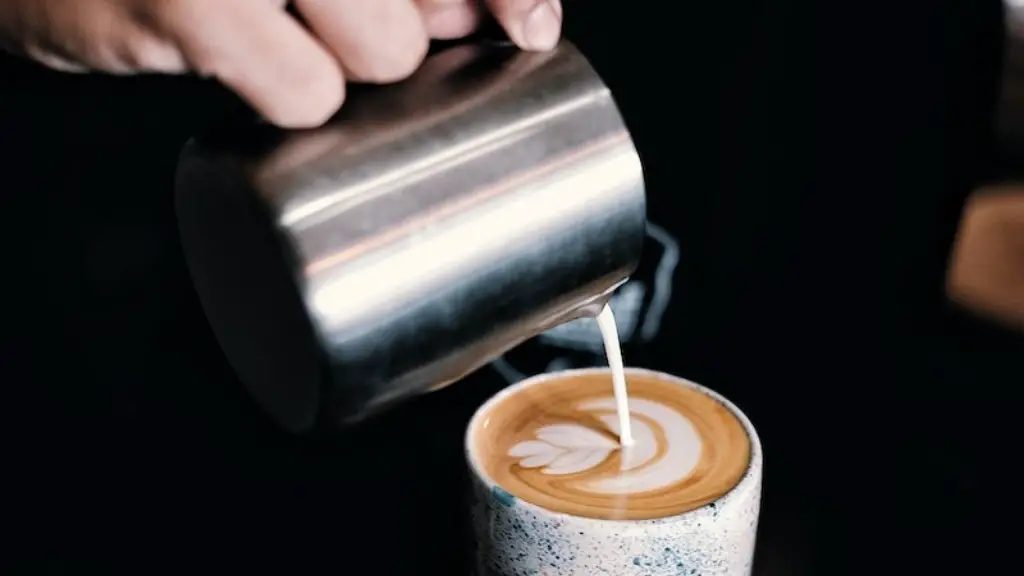
Decaf coffee is an option for those who are pregnant and still want to enjoy this beloved beverage. Decaffeinated coffee is widely available in most coffee shops and is made with the same coffee beans as regular coffee, with one main difference – the caffeine. Decaffeination removes up to 97% of the caffeine, reducing the amount of coffee to just a few milligrams.
There are a few different methods available to decaffeinate coffee, and the process chosen by the manufacturer may affect the flavor of the coffee. Many people will agree that since the caffeine is removed, the flavor and aroma are also reduced, but with a little experimenting, there are many brands of decaf that can produce a great cup.
If you decide to drink decaffeinated coffee while pregnant, it is best to choose organic, so you can be sure that there are no additives or chemicals used in the decaffeination process. Additionally, some decaffeinated coffees are made with a process that uses ethyl acetate, which is commonly found in fruits but not necessarily considered safe for human consumption.
In conclusion, it is important to be aware that caffeine can be found in many beverages and food items, and to make sure your overall daily intake is moderate if you are pregnant. If you want to enjoy coffee while pregnant, switching to decaffeinated coffee can be a good option.
Coffee Alternatives
If you decide to limit your intake of caffeine while pregnant or avoid it altogether, there are many alternatives available. Many coffee shops now offer decaf herbal teas, as well as a wide variety of delicious hot and cold herbal drinks, such as rooibos, hibiscus, and chamomile. All of these can be enjoyed throughout pregnancy for a caffeine-free dose of healthful antioxidants and other compounds.
If you are used to having a cup of coffee in the morning, swapping it out for a warm herbal tea or decaf herbal tea can be a great way to start the day without worrying about consuming too much caffeine. Many herbal teas also have calming properties, which can be especially helpful when pregnant and dealing with heightened stress and anxiety.
If you have a sweet tooth, you may also enjoy decaffeinated coffee drinks, such as chai lattes made with almond milk or coconut milk, or a cup of hot cocoa. Adding some pure vanilla extract or a sprinkle of cinnamon can also help to sweeten and enhance the flavor without adding any caffeine.
Health Benefits of Coffee
Although caffeine can be a concern for pregnant women, this does not necessarily mean you should avoid drinking coffee altogether. Coffee is an excellent source of antioxidants and has been linked to many potential health benefits, such as improved heart health, enhanced cognitive performance, and reduced risk of certain types of cancer. So if you do decide to drink coffee while pregnant, it may be beneficial to your overall health.

It is important to know that many of the potential health benefits of coffee come from the antioxidants present in the beverage. And when coffee is decaffeinated, some of these antioxidants may be lost during the decaffeination process. Therefore, if you drink decaf while pregnant, some of the benefits may be reduced.
The Bottom Line
When it comes to coffee and pregnancy, it is important to keep your daily intake to a moderate amount and to be aware that some types of decaffeinated coffees may still have some caffeine. If you prefer, there are many alternatives to coffee that you can enjoy while pregnant, such as tea and cocoa, that are both delicious and free from caffeine.
And finally, if you do opt for decaffeinated coffee, be sure to choose an organic brand in order to avoid any potential additives and chemicals used in the decaffeination process. Taking these factors into account, you can make sure that you are getting the most out of your cup of coffee and the health benefits that come with it, even while pregnant.
Alternate Brewing Process
If you are just looking for the taste of coffee without the caffeine, cold brew coffee can be a great option. This type of coffee is made simply by steeping coarsely ground coffee beans in cold water overnight. This process extracts the flavor of the beans without the caffeine, and the result is a smooth, delicious cup of coffee with all of the flavor and none of the jitters.

Cold brew has become increasingly popular in recent years and is now widely available in many coffee shops around the world. It is also easy to make at home, as long as you have a large jug or pitcher to steep the beans and let them sit overnight. And, if you are feeling adventurous, you can always experiment with different types of beans or add some spices or flavors to your cold brew for a unique and delicious twist.
Another brewing option for pregnant women is to try making an atomic coffee. This is an espresso-based drink which is made with equal parts cold and hot espresso. The result is a milder, more balanced cup of coffee with less caffeine, but still with a nice, robust taste and aroma.
Finally, if you are looking for a non-caffeinated beverage but still crave the flavor of coffee, there are many brands of herbal coffee available. These herbal coffees are made with grains and roasted herbs that are blended together to create a coffee-like flavor without the caffeine. These are a great option for those who are pregnant as they provide a healthy alternative to standard coffee without missing out on the flavor.
Brewing Tips
Regardless of which type of coffee you decide to drink while pregnant, there are some important brewing tips to take into consideration. First, always use freshly ground coffee beans or coffee grounds for the best flavor. Additionally, the grind size matters, as it affects the flavor and intensity of the coffee. A finer grind will produce a stronger cup, while a coarser grind will produce a milder cup.

It is also important to pay attention to the water you are using for brewing. For example, if you are making cold brew coffee, it is best to use filtered or distilled water, as these have fewer minerals that can potentially affect the taste of the coffee.
Finally, take some time to experiment and find the right flavor and intensity for you. You may have to try a few different types of beans or brewing methods, but in the end, it will be worth it when you find the perfect cup for you and your pregnancy.