
The Benefits of Coffee on a Diet
Many dieters know that coffee can be a helpful addition to their weight-loss journey. Not only does it provide a tasty morning pick-me-up, but it can also help stimulate metabolism and provide additional energy for workouts. Recent research has also shown that coffee can help reduce the risk of developing certain diseases such as Type 2 diabetes. But is coffee really good for dieters, or are there hidden drawbacks that dieters should consider?
Understanding the health benefits of coffee can help dieters decide if it’s the right addition to their diet plan. A cup of regular coffee contains very few calories, and most of the calories come from added sugar and cream. In general, black coffee’s calories are negligible, and even a cup of regular coffee can contain less than ten calories. In addition, the antioxidant activity in coffee can help reduce the risk of developing certain diseases.
However, it’s important to remember that not all coffee is created equal. Dieters should watch out for frappuccinos, flavored coffees, and other type of coffee beverages that advertisements may suggest as a tasty treat. These can contain high levels of sugar and calories, and therefore may actually slow down weight loss in the long run. An occasional treat won’t ruin your diet, but on a regular basis, these high-sugar drinks should be avoided.

Coffee can also cause sleep problems, heart palpitations and other side effects for some people. To avoid these issues, dieters should ensure that they’re drinking coffee in moderation. Most experts agree that consuming no more than three cups a day should be safe. Of course, avoid any sugary additives or other non-diet friendly ingredients.
All in all, coffee is a great addition to a diet plan and can provide useful health benefits. As with any food or beverage item, however, it should be consumed in moderation to avoid any potential side effects.
Decaf Coffee and Weight Loss
Decaf coffee is a great option for dieters looking to reap the benefits of coffee without the stimulatory effects of caffeine. Decaffeination involves removing almost all of the caffeine from the coffee bean using solvents, steam distillation, carbon filtering or other chemical processes. Decaffeinated coffee has been found to contain noticeable levels of the two most important bioactive compounds, namely chlorogenic acid and caffeine.
Several studies have found that decaffeinated coffee can provide similar amounts of chlorogenic acid as regular coffee and can significantly improve insulin sensitivity, reduce glucose levels and protect cells from oxidative damage. Other studies have found that decaffeinated coffee may even help with weight loss by promoting increased levels of adiponectin, a hormone that helps regulate metabolism and is associated with a lower body fat percentage. Most experts agree that decaf coffee can be a helpful addition to a diet plan, as long as it is consumed in moderation.

On the other hand, some dietitians and nutrition experts caution against drinking too much decaf coffee due to its caffeine content. Although the amounts of caffeine in decaf coffee are very low, they can still build up over time and have an impact on sleep, anxiety and other physiological functions. For this reason, it is important to monitor your caffeine intake, including the amount of decaf coffee you drink each day.
Overall, decaf coffee can be a great addition to your diet plan. Not only does it provide the antioxidant benefits of regular coffee, but it doesn’t contain enough caffeine to noticeably impact your sleep or energy levels. With that said, moderation is still important.
The Pros and Cons of Coffee on a Diet
When it comes to consuming coffee on a diet, there are both pros and cons to consider. On the one hand, coffee can provide numerous health benefits, including reducing the risk of developing certain diseases. It can also help increase metabolism and give you an energy boost when you’re feeling tired or sluggish.
On the other hand, it’s important to be mindful of the sugar and calories in coffee, especially when it comes to speciality drinks like frappuccinos. These high-sugar beverages can undo the hard work you’ve put in to lose weight. Additionally, it’s important to keep in mind the potential impact of coffee on sleep and anxiety, as some people may be more sensitive to caffeine than others.

Overall, if consumed in moderation, coffee can be a useful addition to a diet plan. It can provide health benefits and an energy boost when you need it most. Just be sure to watch out for sugary or high-calorie coffee beverages, and remember to gauge your own sensitivity to caffeine.
Coffee and Calorie Reduction
One of the benefits of drinking coffee is that it can help suppress appetite, thereby reducing calorie intake. Studies have found that coffee can act as an appetite suppressant and reduce cravings for sweets and fatty foods. In addition, the antioxidants present in coffee can modulate energy metabolism, leading to a decrease in energy expenditure and calorie intake.
Furthermore, studies have found that caffeine can improve concentration and mental focus, making it easier for dieters to focus on their goals and resist unhealthy foods. For this reason, it can be beneficial to drink a cup of coffee before a workout or meal planning session to help increase motivation and reduce cravings for unhealthy snacks.
Ultimately, drinking coffee regularly can help dieters reduce their overall calorie intake and stay focused on their goals. Just remember to avoid high-calorie coffee drinks and to keep an eye out for any potential side effects or sensitivities to caffeine.
Green Coffee and Weight Loss

Green coffee beans, otherwise known as raw coffee beans, have become increasingly popular in recent years due to their potential weight-loss benefits. Green coffee beans contain high levels of chlorogenic acid, which is thought to help reduce body fat and increase metabolism. Studies have found that green coffee extract can reduce body fat, increase insulin sensitivity and improve glucose metabolism.
In addition to being high in chlorogenic acid, green coffee beans are an excellent source of antioxidants. Antioxidants help reduce inflammation and protect cells from damage, which can improve overall health. They can also help reduce the risk of developing certain diseases, such as cancer and Type 2 diabetes.
It’s important to note that the weight-loss benefits of green coffee beans are still being studied and may not be as significant as some people claim. Furthermore, green coffee beans can contain high levels of caffeine, which can cause side effects in some people. For this reason, it is important to talk to your doctor before taking green coffee beans.
Overall, green coffee beans can be a helpful addition to your diet plan, but it’s important to be mindful of potential side effects and do your research before incorporating green coffee into your diet.
Caffeinated or Decaffeinated – What’s the Difference?
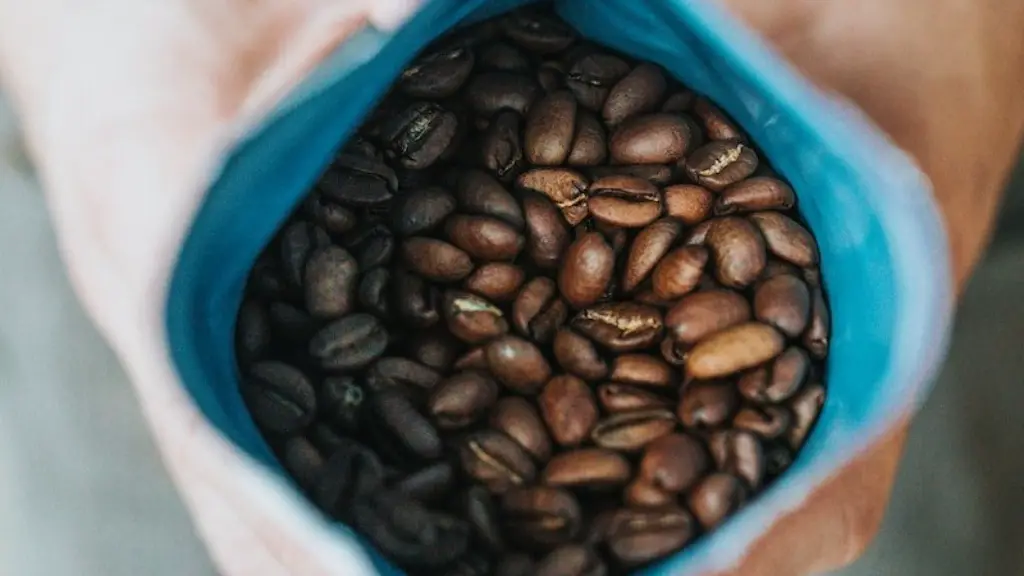
When it comes to deciding between caffeinated and decaffeinated coffee, it’s important to consider the differences between them. Caffeinated coffee contains higher levels of caffeine, which can provide a quick energy boost and increase mental focus. It can also help suppress appetite and reduce cravings for sweets and fatty foods. However, caffeinated coffee can cause unwanted side effects such as insomnia, jitters and heart palpitations for some people.
Decaffeinated coffee, on the other hand, still contains some caffeine, but in significantly lower amounts. For this reason, it can be a better option for those who may be sensitive to caffeine or don’t want the stimulatory effects. It can also provide some of the same health benefits as regular coffee, including improved insulin sensitivity and reduced levels of glucose.
When deciding between caffeinated and decaffeinated coffee, it’s important to consider your individual health needs and preferences. Some people may prefer the extra energy boost of caffeinated coffee, while others may benefit more from the reduced caffeine of decaf. Ultimately, it’s up to you to decide what is best for your body and lifestyle.
Healthy Add-ins for Coffee
There are many ways to make a cup of coffee healthier and more diet-friendly. For example, adding unsweetened almond or coconut milk can cut down on calories and provide an additional source of protein and calcium. Unsweetened almond milk can also provide small amounts of fiber, vitamin E and iron.
Other healthy add-ins include cinnamon, turmeric, ginger and other spices. Not only do they have numerous health benefits, but they can also add delicious flavor to your coffee. In addition, some people choose to add weight-loss supplements or other diet aids to their coffee in order to benefit from their effects.
When adding any type of add-in, dieters should ensure that it is diet-friendly and within their daily calorie restriction. Additionally, dieters should pay attention to the ingredients in any offers, supplements or weight-loss aids to make sure they are safe and healthy.
Overall, there are many ways to make a cup of coffee more diet-friendly. Adding unsweetened almond or coconut milk,spices, diet aids and other healthy add-ins can help make your cup of coffee more enjoyable and beneficial. Just be sure to keep an eye on the ingredients and watch your calorie intake.