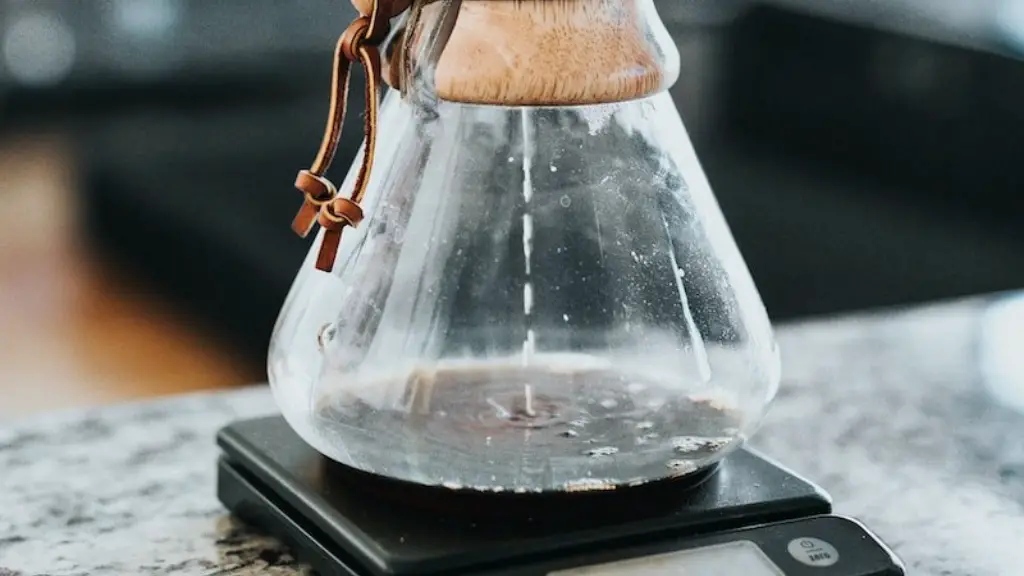
Antioxidants in Decaf Coffee
Decaffeinated or decaf coffee is made from coffee beans that have been subjected to a process that removes almost all of the caffeine. This process does not moderately strip the essential elements that make these beans so beneficial to the human body. Studies have concluded that decaf coffee carries the same phytonutrients,antioxidants, and minerals as regular coffee, making it a great choice for those who are sensitive to the effects of caffeine or looking for an alternative.
The antioxidants in decaf coffee have been shown to have a positive effect on heart health. Regular consumption of decaf coffee has been linked with a reduced risk of cardiovascular disease and stroke, as well as an improved metabolic health. The polyphenols, which are the chemical compounds responsible for the coffee’s antioxidant effects, is most abundant in decaffeinated coffees because they are not destroyed during the decaffeination process.
Decaf coffee also contains several vitamins and minerals, and has even been proven to be a source of dietary fiber. The caffeine-free and low acidity levels makes it gentler on the stomach and a great beverage for those with sensitive digestion. Decaffeinated coffee may even be beneficial for those with GERD (gastroesophageal reflux disease), as it is less acidic and has been known to reduce the symptoms.

Decaf coffee has even been linked to a decreased risk of developing certain types of cancer, including liver, prostate, and breast cancer. Drinking decaf coffee may also help reduce the risk of type 2 diabetes, as it naturally increases insulin sensitivity, which can help the body process sugar and insulin more efficiently.
Decaf coffee is also known to be beneficial for mental health and cognitive function. It can help relieve symptoms of anxiety and depression, as well as improve overall cognitive functioning. Many studies have suggested that the antioxidant properties of decaf coffee can help protect the brain from age-related diseases, such as Parkinson’s and Alzheimer’s.
Decaf coffee can also be beneficial for those who want to lose weight. Drinking decaf coffee in moderate amounts has been linked to a reduced risk of obesity and several metabolic disorders, as it helps to regulate the body’s metabolism and reduce fat storage. This can help to maintain a healthy weight.
Healthy Alternatives To Decaf Coffee
If you are looking for an alternative to decaf coffee, try drinking herbal tea. Herbal teas are naturally caffeine-free and high in antioxidants. Studies have shown that many herbal teas have a similar antioxidant profile to that of coffee, making them a great choice for those looking for a healthy alternative to coffee. Herbal teas are also lower in acidity and gentle on the stomach, making them a great choice for those with sensitive digestion.

Another great alternative to decaf coffee is green tea. Green tea is known to be rich in antioxidants and beneficial compounds, such as catechins and flavonoids. Studies have shown that drinking green tea can help protect against heart disease and stroke, as well as reduce the risk of several types of cancer. Studies have also shown that green tea can help improve cognitive function and reduce the risk of age-related cognitive decline.
For those looking for a natural energy boost, try yerba mate. Yerba mate is a traditional South American tea that is rich in antioxidants and other beneficial compounds. It is known to be a natural source of caffeine, with a slightly different taste profile than coffee. Studies have shown that yerba mate can be beneficial for mental health, as well as improve physical endurance.
If you are looking for a healthy and delicious alternative to coffee, try drinking roasted chicory root. Chicory root is a natural source of caffeine, and studies have shown that it has a similar antioxidant profile to that of coffee. Chicory root is also known to be gentle on the stomach, making it a great choice for those with sensitive digestion.
For those looking for an all-natural drink, try kombucha. Kombucha is a fermented tea drink, high in antioxidants and beneficial probiotics. Studies have shown that kombucha can help protect against heart disease and diabetes, and even improve mental health, as it is known to be a great source of vitamins and minerals.
A Few Words on Moderation

While the aforementioned drinks can provide many health benefits, it is important to remember to enjoy them in moderation. Too much of any of these drinks can lead to unwanted effects, such as increased heart rate, restlessness, or nausea. It is important to be mindful of how much of these drinks you consume and be sure to drink plenty of water to stay hydrated.
Decaf Coffee: A Source of Delicious Health Benefits
Decaf coffee is a great choice for those looking to enjoy the health benefits of coffee without the caffeine. Studies have shown that decaf coffee contains many of the same health-promoting compounds as regular coffee, such as antioxidants, vitamins, and minerals. Decaf coffee has been linked to improved heart health, a reduced risk of certain cancers and diabetes, and improved cognitive function. Plus, there are many healthy alternatives to decaf coffee, such as herbal tea, green tea, yerba mate, chicory root, and kombucha, each of which is a delicious source of vitamins and minerals to keep you healthy and happy.
Coffee Alternatives Without Caffeine
If you are looking for a caffeine-free alternative to decaf coffee, there are many options. One such option is matcha tea, which is a finely ground powder of green tea, high in antioxidants and beneficial compounds. Matcha tea is a great choice for those looking for natural energy, as it provides steady energy without the crash. Other caffeine-free alternatives include rooibos tea, chamomile tea, and turmeric tea, all of which are packed with healthy antioxidants and minerals.
Decaf Coffee: An Environmentally Friendly Choice
In addition to the many health benefits of decaf coffee, it is also a great choice for the environment. Decaf coffee is made from both natural and renewable resources, meaning that it is a sustainable choice. By choosing to drink decaf coffee, you can help to reduce your environmental footprint while still being able to enjoy your favorite beverage.
Organic and Fair Trade Decaf Coffee
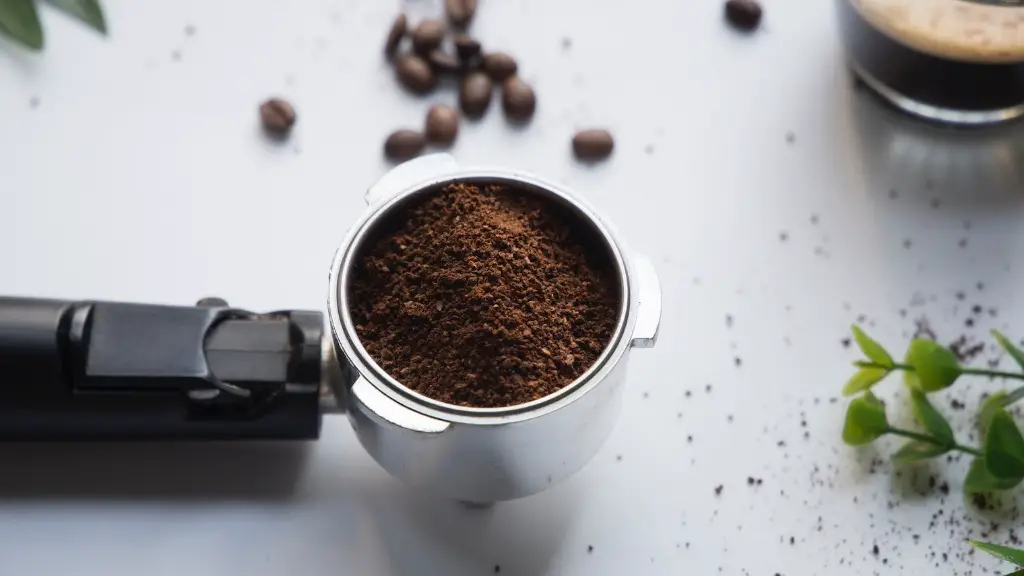
If you want to make sure that your decaf coffee is as healthy and ethical as possible, look for organic and fair trade options. Organic coffee is grown without the use of chemical fertilizers or pesticides, and fair trade supports farmers in developing countries by providing them with fair prices and safe working conditions. By choosing organic and fair trade decaf coffee, you can rest assured that you are making the best choice for both your health and the environment.