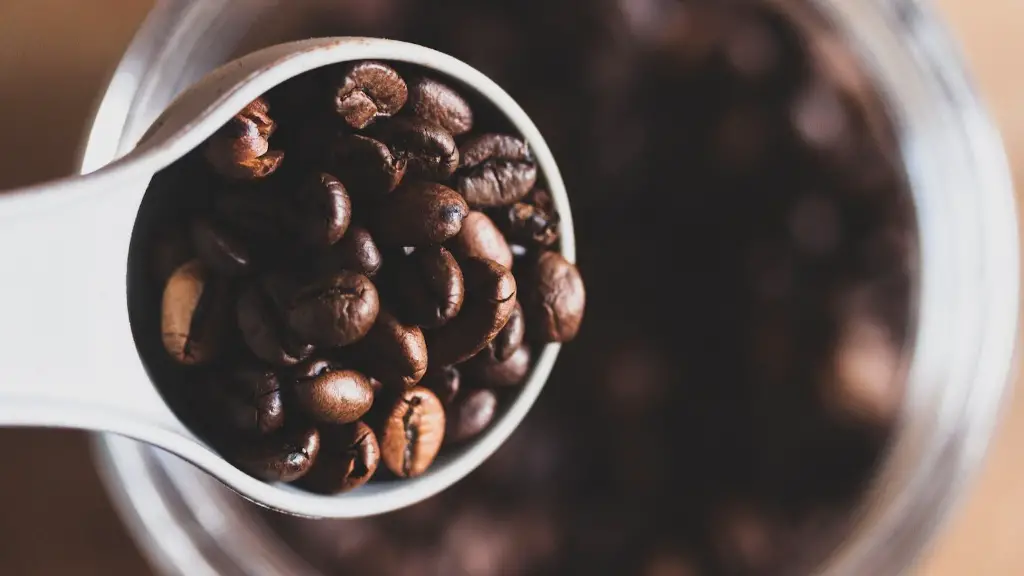
Coffee is a widely consumed beverage the world over. It is believed to be one of the most popular drinks in America alone and, with its recent surge in popularity, people often wonder: Is drinking coffee daily good for you?
The short answer is that it may be–in moderation. Studies have shown that there are both potential benefits of drinking coffee and potential risks associated with overindulgence.
Coffee and Health
One of the primary health benefits of drinking coffee is that it contains a wealth of beneficial antioxidants. As we all know, antioxidants help rid our bodies of toxins and promote better health. A cup or two of coffee a day has been linked to improving cognitive function, protecting against certain types of cancer, and even improving our mood.

Additionally, research has suggested that the caffeine in coffee is a natural stimulant and can aid in weight loss. Researchers from the University of Connecticut found that the caffeine can help boost metabolism, thereby burning more calories and aiding in losing weight.
However, it’s important to remember that too much of anything can be a bad thing. If over-consumed, caffeine can easily become habit-forming and can even become a health problem for some. High levels of caffeine can lead to anxiety and restlessness, and, in some cases, headaches.
In addition, some studies have linked excessive caffeine consumption to insomnia, high blood pressure, and irregular heartbeats. Therefore it’s important to know your limits.
When Should I Avoid Coffee?
The biggest question people have when considering coffee consumption is when should they avoid it. Generally speaking, if you’re prone to coffee-related illnesses or have a medical condition, coffee should be avoided. Additionally, people who are pregnant, trying to get pregnant, breastfeeding, or have high blood pressure should also avoid drinking coffee.
For everyone else, the best recommendation is to limit coffee consumption to two cups a day. This should be enough to reap the benefits of coffee but not too much that the potential risks outweigh the benefits.
Coffee Alternatives
For those who want to reap the benefits of coffee but don’t want to go overboard, there are plenty of alternatives. Decaf coffee is a popular option, but there are many other options such as herbal teas, yerba mate, and green tea.
These options have less caffeine than coffee but still provide many of the same benefits. Additionally, they can be enjoyed without any of the negative effects of too much caffeine.
Personal Insights
From my own experience, I can say that drinking coffee in moderation has its perks. I find that coffee helps me stay alert and productive during the day. It also helps me stay awake if I’m having a long day. I find that, as long as I don’t overdo it, coffee can be a great addition to my daily routine.

But, on the other hand, too much coffee can lead to feelings of restlessness and lack of focus. For me, it takes more coffee to get the same effect, and that’s when I know it’s time to cut back. I also find that coffee can make it harder for me to fall asleep at night, so I make sure to avoid drinking it after dinner.
Expert Advice
Experts agree that drinking coffee in moderation is the best way to reap its benefits. According to nutritionist Brooke Alpert, drinking one to two cups of coffee per day can have some beneficial health effects without leading to side effects. Additionally, she warns that drinking more than that could lead to caffeine dependency and other adverse effects.
Meanwhile, Dr. Jacob Teitelbaum, a New York-based physician, recommends limiting coffee to no more than one cup per day if you tend to get anxious with larger amounts. He also suggests drinking decaffeinated coffee as an alternative to regular coffee if you’re looking to reap the benefits of coffee without risking overconsuming caffeine.
Final Thoughts
Ultimately, whether you choose to consume coffee or not is a personal choice. But for those who want to reap the potential benefits of coffee, the best thing you can do is be mindful of how much and how often you’re consuming it. Drinking two cups of coffee a day is generally considered a safe guideline, but everyone is different. If you’re prone to caffeine-related side effects, consider limiting your consumption or trying out decaf as an alternative.
Peer Influence on Coffee Consumption

Although most people choose to drink coffee for health reasons, peer pressure can be an influencing factor when deciding whether or not to drink coffee. Studies have found that the people we hang out with and the images we consume have a considerable impact on our decisions. This means that, if your friends all drink coffee and you’re constantly exposed to coffee-related images and commercials, it’s likely to make the idea of drinking coffee more desirable.
At the same time, groupthink can be disadvantageous when it comes to making healthy decisions. This can often lead to people drinking more coffee than recommended, and can even lead to addiction. It’s important, then, to be mindful of the influence others have on our decisions and put our health and wellbeing first.
The Pros and Cons of Drinking Coffee
When deciding whether or not to drink coffee, it’s important to consider the potential pros and cons of drinking coffee. On the one hand, it can help improve cognitive function and may even have anti-ageing properties. At the same time, overconsumption of coffee can lead to anxiety and restlessness, which could put our health at risk.
When examining the pros and cons, it’s important to remember that moderation is key when it comes to coffee consumption. Drinking one to two cups a day is generally believed to be a safe guideline and is the best way to reap the benefits of coffee without experiencing side effects.
Age Related Implications
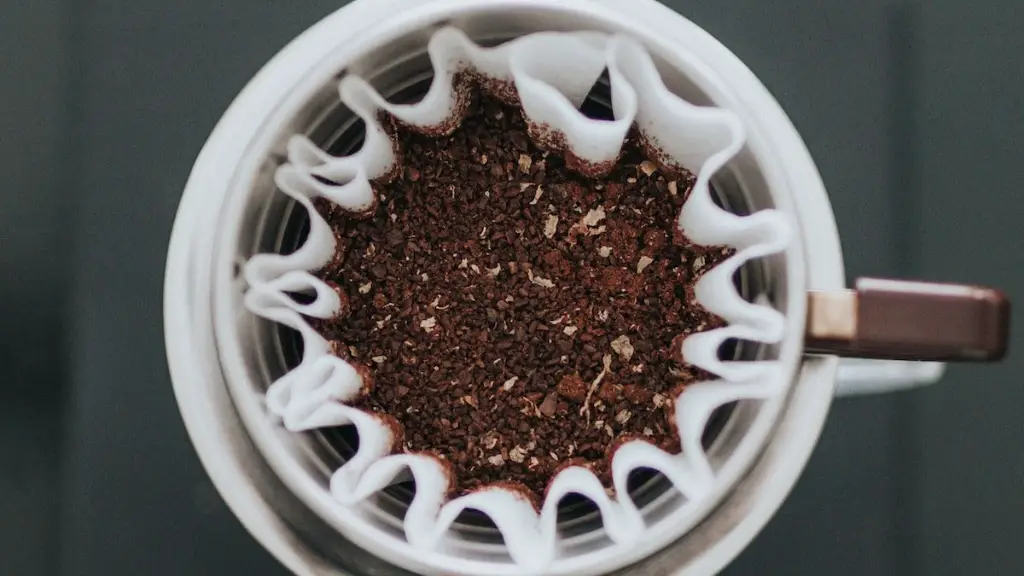
Studies have found that age may also play a role in whether or not it is a healthy decision to consume coffee. Generally speaking, it is recommended that people under the age of 18 avoid drinking coffee since the caffeine may interfere with the natural development of their bodies. That being said, teenagers who do choose to drink coffee should do so in moderation.
At the same time, even adults should be mindful of their coffee consumption. Older adults may be more sensitive to the effects of caffeine and should limit their coffee to one cup per day. Additionally, studies also suggest that drinking coffee may not be beneficial for people over the age of 65.
Caffeine Intolerances
Caffeine can have different effects on people due to their unique biochemistry. Some people are more sensitive to the effects of caffeine, while others may be more tolerant. People who are sensitive to caffeine should be extra mindful of their coffee consumption since even a small amount of coffee could have adverse effects. Additionally, it’s important for people with caffeine intolerances to find alternative sources of caffeine, such as decaf coffee, green tea, or herbal tea.
At the same time, people who are less sensitive to caffeine can benefit from drinking coffee in moderation. However, it’s still important to be mindful and be aware of the potential risks associated with overconsumption.
