
Should I Drink Organic Coffee
Many people debate whether they should or should not drink organic coffee. On one side of the argument, there are certain health benefits associated with organic coffee, but on the other side, there are added costs associated with it. In this article, we explore the pros and cons of drinking organic coffee and help you decide if it is right for you.
Organic coffee is coffee that is grown and harvested according to strict guidelines. It involves very specific techniques to make sure that no chemicals or artificial ingredients are used in the growing process. The coffee is also produced without any added herbicides, pesticides, or fungicides. As a result, organic coffee is thought to be a healthier option than conventionally grown coffee because it has fewer contaminants.

One of the main benefits of drinking organic coffee is that it is thought to be healthier. Studies have shown that organic coffee has a higher amount of antioxidants, polyphenols, and minerals, which can help to protect the body from diseases and protect cells from damage. Additionally, organic coffee is better for the environment because it is not treated with synthetic fertilizers, pesticides, and herbicides, which can be harmful to the environment.
However, drinking organic coffee comes with some drawbacks. First, organic coffee tends to be more expensive than conventionally grown coffee, which can be a barrier to some people. Additionally, there is no guaranteed way to check if the coffee is truly organic, as the government doesn’t always regulate organic products and labels.
Overall, it is up to you to decide whether organic coffee is right for you. If you are committed to the health benefits and have the financial means, then organic coffee may be the right choice for you. However, if you are concerned about the cost and not sure about the authenticity of organic products, then you may want to opt for conventionally grown coffee.
Health Benefits of Organic Coffee
Organic coffee is thought to have a range of health benefits that are not found in conventionally grown coffee. These benefits come from the fact that organic coffee is grown without the use of synthetic fertilizers, pesticides, and herbicides, which can be harmful to the body. Organic coffee is also thought to have a higher amount of antioxidants, most notably polyphenols, which can provide a range of health benefits.

One of the biggest health benefits of organic coffee is its ability to reduce inflammation. Studies have shown that organic coffee contains a range of compounds, such as chlorogenic acid, which can reduce inflammation in the body and help to protect the body from chronic diseases. Additionally, organic coffee is thought to protect the heart by reducing levels of bad cholesterol and increasing levels of good cholesterol.
Organic coffee also has the potential to improve cognitive performance. One study found that consuming organic coffee regularly helped to improve memory and thinking skills, which is why it is often recommended for people who have difficulty concentrating. Furthermore, organic coffee is thought to be beneficial for mental health, as it can reduce stress and anxiety levels.
Overall, there are a number of potential health benefits associated with organic coffee. If you are looking to improve your overall health, then organic coffee may be a good option for you. Just remember, as with all foods, it is important to consume organic coffee in moderation.
Environmental Benefits of Organic Coffee
Organic coffee is not just beneficial for human health, but also for the environment. By avoiding the use of synthetic fertilizers, pesticides, and herbicides, organic coffee can be grown in a more sustainable way. This reduces the amount of chemicals entering the environment, which can be damaging for the planet.
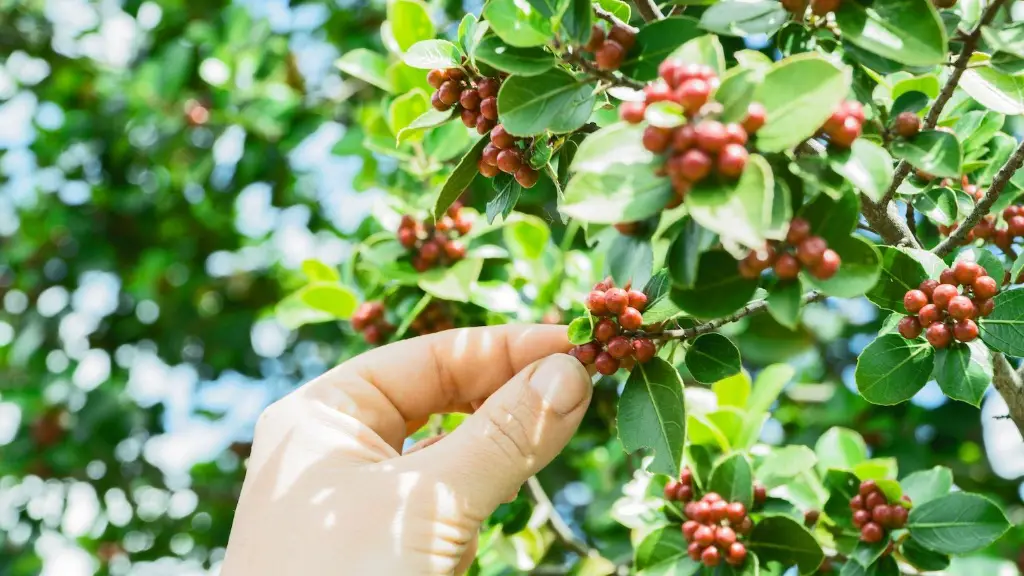
Organic coffee is also grown without the use of genetic modification. This means that the coffee plants can remain more resilient in the face of changing weather and climate conditions. This is beneficial for the sustainability of the coffee plants and can help to reduce the impact of climate change.
Moreover, organic coffee is also beneficial for wildlife. Studies have shown that organic coffee farms are home to more species of birds and other wildlife, which can help to protect the biodiversity of the environment. This is especially beneficial for regions that rely on the coffee industry for their livelihood.
Overall, organic coffee is much better for the environment than conventionally grown coffee. If you are concerned about the impact of your coffee consumption on the planet, then organic coffee might be the right choice for you.
Financial Costs of Organic Coffee
One of the main criticisms of organic coffee is that it tends to be more expensive than conventionally grown coffee. This is due to the higher cost of organic production. Organic coffee is grown with organic inputs, such as organic fertilizer and organic pest control, which can cost more than conventional inputs.

However, it is important to note that there are ways to reduce the cost of organic coffee. For example, some companies offer subscription services where you can get discounted rates on coffee beans. Additionally, there are websites that offer coupons and discounts on organic coffee beans. This can help to reduce the cost of consuming organic coffee.
Furthermore, it is important to remember that the quality of the coffee is much higher with organic coffee. This can be worth paying more for, as it will produce a better cup of coffee. Additionally, organic coffee is often fresher and has a more vibrant taste and aroma.
Overall, drinking organic coffee does come with an added financial cost. However, if you can manage the cost and want to enjoy a better cup of coffee, then it may be worth investing in organic coffee.
Authenticity of Organic Coffee
Another common concern with organic coffee is that there is no guarantee that it is actually organic. This is because, despite being regulated by the government, the organic label is not always carefully monitored. As a result, it can be difficult to determine if a product is truly organic or not.

However, there are certain steps that you can take to make sure that you are buying authentic organic coffee. For example, you should check the labels and make sure that they mention that the product is certified organic. Additionally, you should look for organic certification logos on the packaging, which can tell you that the product is verified organic.
You should also do some research on the company that produces the organic coffee and make sure that they follow organic standards. Additionally, you can buy organic coffee from trusted companies, such as Starbucks and Dallis Bros., which ensure that their coffee is organic.
Overall, there are steps that you can take to make sure that the organic coffee you are buying is authentic. If you do your research and buy from reliable companies, then you can be confident that the organic coffee is genuine.
Conclusion
In conclusion, there are a number of factors to consider when deciding whether or not to drink organic coffee. On one side of the argument, there are certain health benefits associated with organic coffee, but on the other side, there are added costs associated with it. Additionally, there is the concern surrounding the authenticity of organic products. Ultimately, it is up to you to decide whether organic coffee is right for you. If you are committed to the health benefits and have the financial means, then organic coffee may be the right choice for you. However, if you are concerned about the cost and not sure about the authenticity of organic products, then you may want to opt for conventionally grown coffee.
