
Positive Effects of Coffee After Exercise
Drinking coffee after exercise can have many positive effects on your body. Caffeine is a stimulant, so it can increase alertness and energy levels. Studies show that it can also reduce muscle soreness, reduce fatigue, and increase fat burning after exercise. In addition, coffee contains antioxidants which can protect against oxidative damage and reduce inflammation. Coffee can also improve mental focus and performance during exercise. Finally, coffee can help regulate the release of hormones like cortisol, which can help reduce stress.
Negatives Effects of Coffee After Exercise
Although coffee can have positive effects, it can also be detrimental to your health. For example, caffeine can cause dehydration, which can be especially severe after strenuous exercise, leading to dizziness and fatigue. Too much caffeine can also interfere with sleep, leading to further fatigue. In addition, drinking coffee after exercise may cause an upset stomach and can increase the risk of hypertension. Finally, drinking coffee after exercise can lead to difficulty in concentration and can cause restlessness.
Expert Perspectives on Coffee After Exercise
Experts recommend drinking coffee after exercise in moderation. According to researchers at Harvard Medical School, a small cup of coffee can provide benefits for athletes, but more than that can lead to negative effects. The American Heart Association recommends limiting intake to four 8-ounce cups of coffee per day. The National Sleep Foundation states that caffeine should be consumed no later than six hours before bedtime. In addition, many nutritionists recommend not drinking coffee on an empty stomach, as it can further increase the risk of hypertension.
Analysis of the Benefits and Risks

When drinking coffee after exercise, the overall benefits and risks should be taken into consideration. In general, moderate intake of coffee can have positive effects on an athlete’s performance. Caffeine can act as an ergogenic aid that increases energy, reduces fatigue and muscle soreness, and even helps to burn fat. In addition, coffee contains antioxidants that can reduce inflammation and oxidative damage. However, too much coffee can cause dehydration, interference with sleep and concentration, and potential health risks. Therefore, coffee should be consumed in moderation after exercise.
Tips for Drinking Coffee After Exercise
When drinking coffee after exercise, there are some important tips to keep in mind. First, stick to one to two cups of coffee, as more than that can increase the risk of negative side effects. Second, avoid drinking coffee on an empty stomach, as this can further increase the risk of hypertension. Additionally, avoid drinking coffee within 6 hours of bedtime to ensure quality sleep. Finally, drinking coffee that has been cold-brewed or brewed with cold water can reduce the amount of caffeine compared to regular hot coffee.
Alternatives to Drinking Coffee After Exercise
If you’re looking for alternatives to drinking coffee after exercise, there are many other options to consider. Non-caffeinated beverages, such as herbal tea and water, can provide hydration and electrolytes. Alternatively, energy drinks that contain carbohydrates, electrolytes, and B-vitamins can replenish energy stores and help to reduce fatigue. Finally, a post-workout protein shake can help build muscle and reduce soreness.
Making Coffee Part of a Healthy Exercise Routine
If you decide to include coffee in your post-workout routine, it’s important to do it in a healthy and sustainable way. For example, hot water with lemon can help to reduce inflammation and rehydrate you. A smoothie with fruits, vegetables, and nuts can provide essential nutrients as well as fiber and healthy fats. Additionally, consider introducing unprocessed sources of caffeine, such as matcha tea or guarana, as they contain antioxidants and may have fewer negative side effects. Finally, add healthy snacks to your post-workout routine, such as nuts, seeds, or whole-grain crackers.
The Benefits of Drinking Coffee Before Exercise
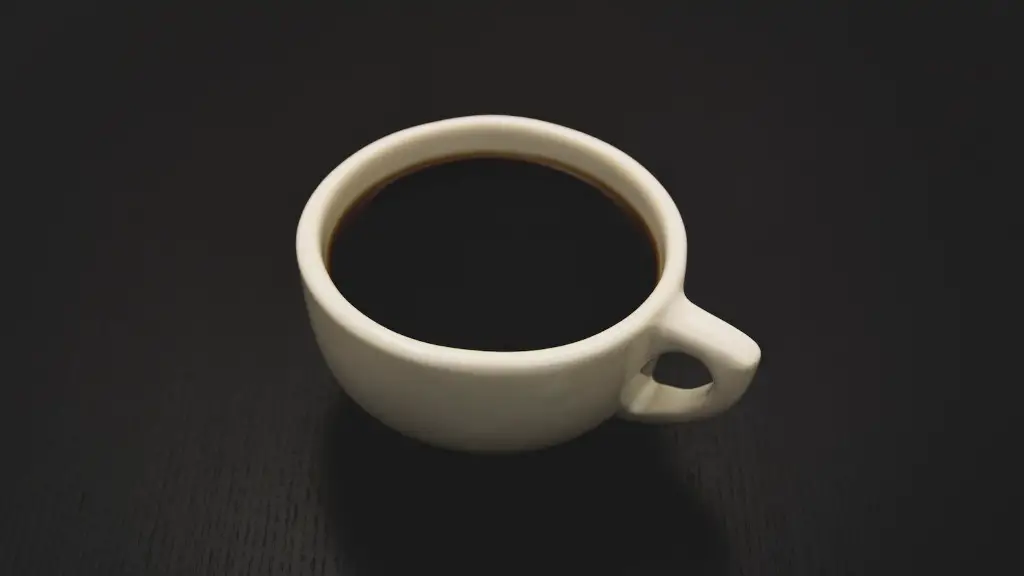
Drinking coffee before exercising can also have many positive effects. Caffeine can increase energy levels and alertness, allowing you to exercise for longer and harder. It can also help improve performance and reduce fatigue during exercise. In addition, coffee can help you focus and process information better, as well as improve reaction times. Finally, consuming caffeine before exercise can help reduce the amount of perceived effort, allowing you to exercise at a more consistent pace.
The Risks of Drinking Coffee Before Exercise
Like drinking coffee after exercise, drinking coffee before exercise can also have negative effects. Caffeine can cause dehydration and can interfere with sleep, leading to more fatigue. It can also cause restlessness, nausea, and even anxiety. Additionally, consuming too much caffeine can cause a rapid heartbeat, increasing the risk for heart conditions. Finally, caffeine can increase blood pressure, leading to further risks for hypertension.
Safety Tips for Drinking Coffee Before Exercise
When drinking coffee before exercise, there are some important tips to keep in mind. First, limit intake to one cup of coffee, as more than that can cause dehydration and impair performance. Second, avoid caffeine within six hours of bedtime in order to ensure quality sleep. Additionally, look for low-caffeine options, such as decaf coffee. Finally, drink plenty of water during and after exercise to ensure hydration and reduce the risk of dehydration.
Healthy Alternatives to Coffee Before Exercise
If you’re looking for alternatives to coffee before exercise, there are many healthy options to consider. Non-caffeinated drinks, such as herbal teas and waters, can provide hydration and electrolytes. Alternately, energy drinks that contain carbohydrates, electrolytes, and B-vitamins can provide a boost of energy while replenishing energy stores. Finally, eating a banana or other fruit can provide natural energy and important nutrients before exercise.
